Disclosure: This article is for educational purposes only and is not medical advice. It contains affiliate links — as an Amazon Associate I earn from qualifying purchases at no extra cost to you.
Medical note: This article is for education only and is not medical advice. Talk to a doctor or pharmacist before starting a supplement or changing any treatment, especially if you are pregnant, breastfeeding, take prescription medicines or have a health condition. Individual results vary.
Disclosure: VitalEdgeTribe may earn a commission if you buy through links on this page, at no extra cost to you. Commissions never decide our rankings.
Table of Contents
- Safety Framework for Evaluating Non-Approved Peptides
- Introduction
- What Are Non-Approved Peptides and Why They Rise in Popularity
- Potential Health Risks and Safety Signals to Watch For
- Regulatory Status and Legal Considerations
- How to Evaluate Product Safety and Quality
- Risk Mitigation and Safer Alternatives
- Practical Guidance for Consumers
- Conclusion
Safety Framework for Evaluating Non-Approved Peptides
When you encounter non‑approved peptide products, assess safety, quality, and legal risk with a clear framework. This helps you separate hype from real risk and decide about use or purchase.
1) Define the peptide and its intended use
Identify the exact peptide family and claimed purpose. Is it a GLP‑1-based medication for obesity or diabetes, or a product for muscle growth or wellness? The intended use affects regulatory status, expected benefits, and risks. FDA‑approved peptide drugs have extensive trial data; unapproved products do not.
2) Check regulatory status and oversight
Confirm if the product is FDA‑approved, in trials, or sold via gray market channels. FDA oversight separates approved therapies from unregulated products. Some vendors market peptides online or in clinics with limited scrutiny, raising safety concerns.
3) Assess quality and manufacturing integrity
Look for transparency about manufacturing standards, quality control, and third‑party testing. Impurities can trigger immune reactions, and long‑term effects remain uncertain in unregulated products.
4) Examine evidence of benefits and safety
Distinguish robust clinical trial data from anecdotes. FDA‑approved peptides have extensive safety and efficacy data; unregulated peptides often lack rigorous trials and reliability.
5) Identify risks, side effects, and immune responses
Anticipate potential side effects and immune reactions. Unknown long‑term risks require weighing uncertainties.
6) Review risks of contaminants and adulterants
Contamination is common in unregulated products. Contaminants can undermine safety and cause unpredictable health impacts.
7) Consider practical implications and informed consent
Ensure access to labeling, ingredient lists, and warnings. Informed consent means understanding benefits, unknown risks, and the lack of dosing guidelines or supervision.
What this means in practice
Evaluate regulatory status, manufacturing quality, and supporting evidence before considering non‑approved products. Treat lack of independent verification as high risk, especially for those with endocrine or metabolic conditions.
Key questions to ask before purchase
– Is the product FDA‑approved or in a registered trial?
– Are third‑party test results available?
– What are the ingredients and what evidence supports them?
For reliable information, favor products with transparent manufacturing, credible regulatory status, and solid clinical data. When unsure, consult a healthcare professional before use.
Introduction
Understanding the landscape of non-approved peptides
Non-approved peptides are compounds not cleared by regulatory agencies for human use. They may be marketed as supplements, research tools, or “investigational” products. This ambiguity can lead to varied quality, inconsistent dosing, and unknown risks.
Consumer takeaways are simple: not every peptide product has solid human safety data. Some come with limited or conflicting evidence, while others lack reputable manufacturing oversight. You may see labels like “research use only” or “not for human consumption,” but these warnings do not guarantee safety in real-world use.
Why safety and legality matter for consumers
Safety isn’t optional when dealing with peptides. Impurities, contamination, and unpredictable immune responses can occur with unregulated products. Regulatory agencies have flagged several peptides as unsafe for compounding or human use.
- Legal distinctions matter: compounds labeled for research may not be suitable for consumer purchase.
- Unknown dosing and administration routes raise the potential for adverse effects.
- Quality variability means two products with the same name can differ greatly in purity and strength.
Related Innovation
What Are Non-Approved Peptides and Why They Rise in Popularity
Definitions and how products reach consumers
Non-approved peptides are substances that have not cleared regulatory bodies for human use. They are commonly marketed as supplements, research tools, or investigational products. Labels such as “for research use only” do not guarantee safety in real world settings.
Access pathways vary. Some products show up via online retailers, niche compounding practices, or international suppliers. Gaps in oversight can lead to variability in quality and labeling across batches, complicating dosing and expectations.
Common uses and motivations behind peptide purchases
You may encounter non-approved peptides for a range of goals. Some buyers pursue weight management, muscle or performance enhancement, or symptom relief tied to metabolic or endocrine signals. Others are curious about potential research applications or personal experimentation.
- Weight related attempts: peptides claimed to influence appetite or digestion.
- Muscle and recovery: peptides marketed for tissue repair or growth signals.
- Endocrine considerations: products said to affect insulin, GLP 1 pathways, or hormone release.
Potential Health Risks and Safety Signals to Watch For
Impurities, contamination, and quality variability
Peptide products that lack regulatory oversight can fluctuate widely between batches. Impurities may come from incomplete purification, storage issues, or counterfeit sourcing, making potency and safety difficult to predict.
Look for clearer indicators of quality such as lot numbers, consistent ingredient disclosures, and transparent manufacturing details. Inconsistent labeling or missing identifiers should raise caution.
Unknown dosing, administration routes, and adverse effects
Without robust human safety data, dosing and delivery methods are often unclear. Some products may use unconventional routes that bypass standard clinical guidance and monitoring.
Adverse effects can emerge abruptly or accumulate over time. Watch for digestive issues, skin reactions, or systemic changes, and remember that an expected benefit does not guarantee safety in practice.
Immunogenicity and long-term safety concerns
Peptides can provoke immune responses, including antibody formation or hypersensitivity. Repeated exposure may reduce effectiveness or trigger other immune-related problems.
Long-term safety data are rarely available for non-approved products, making it hard to quantify cumulative risk. Weigh short-term effects against potential future consequences when considering use.
Regulatory Status and Legal Considerations
FDA and other agency perspectives on unapproved peptides
Regulators view unapproved peptides as high risk for human use. The FDA and similar agencies cite safety concerns, including potential contamination and unnamed dosing. Authorities often restrict or prohibit marketing of peptides not cleared for therapeutic use.
Enforcement actions target products labeled as supplements or making disease treatment claims. Importers and retailers can face penalties if products bypass approved pathways or misrepresent their purpose to consumers.
Legal distinctions between research-use products, compounds, and supplements
Labels matter for consumer safety. “Research-use only” products are for laboratory work and not for human consumption, but labeling alone does not guarantee safety in real-world use. Compounds for human use generally require regulatory clearance. Supplements marketed for general health support may avoid some controls but face scrutiny if they imply disease treatment or specific health outcomes.
Guidelines commonly distinguish:
- Research-use products with restricted distribution
- Compounds and investigational agents under clinical oversight
- Over-the-counter supplements with safety data and labeling requirements
How to Evaluate Product Safety and Quality
Identifying credible manufacturers and third-party testing
Reliable producers share clear details about their processes and facilities. Look for documented standards, batch traceability, and accessible quality teams. Third‑party testing helps verify identity, purity, and potency.
Ask whether a product has been tested for contaminants, endotoxins, and microbial safety. Independent laboratories should provide certificates of analysis that align with the specified batch and lot numbers on the label.
Reading labels, sourcing information, and red flags
Examine ingredient lists, raw material sources, and storage guidance. Red flags include vague ingredient descriptions, missing lot numbers, and claims that imply disease treatment. Be cautious of broad, unsubstantiated promises.
Verify where the product is manufactured and whether there is a documented supply chain. Inconsistent labeling across batches warrants pausing use and seeking clarification.
What to expect from clinical evidence versus anecdote
Clinical evidence should come from human studies with defined endpoints, appropriate controls, and peer‑reviewed publication. Anecdotes reflect experiences but do not establish safety or efficacy. Assess the quality of evidence, including study size and relevance to your situation.
| Aspect | What to look for |
|---|---|
| Manufacturing | Facility credentials, batch traceability, COA availability |
| Testing | Purity, potency, contaminants, independent lab verification |
| Labeling | Complete ingredients, sources, lot numbers, storage guidance |
| Evidence | Human studies with peer review, clear endpoints |
Risk Mitigation and Safer Alternatives
Appropriate use of FDA approved peptide therapies when indicated
When a peptide therapy has cleared rigorous testing, it offers a defined safety profile and dosing framework. Use should come from a clinician’s diagnosis and evidence based indications.
- Confirm the FDA approval status for the specific indication you’re considering.
- Follow the prescribed dosing and schedule exactly as directed by a qualified professional.
- Monitor for known adverse effects and report them promptly.
Non-peptide lifestyle and evidence based interventions for goals
Many goals can be pursued with non peptide strategies that have established safety records and clinical support.
- Weight management: structured diet plans, regular physical activity, and behavioral support.
- Metabolic health: proven pharmacotherapies approved for specific conditions when indicated.
- Muscle health: evidence based training, adequate protein intake, and sleep optimization.
| Approach | Source of Safety | Practical Considerations |
|---|---|---|
| FDA approved peptide therapy | Defined regulatory pathway | Use under medical supervision, monitor endpoints |
| Non peptide lifestyle interventions | Well established safety data | Structured plan, ongoing support |
Practical Guidance for Consumers
Questions to ask providers and retailers
Before you buy or discuss a peptide product, come prepared with clear questions about safety, sourcing, and regulatory status. Your aim is to verify risk, understand verification steps behind claims, and assess product reliability.
- What is the regulatory status of this product in my country, and how does that affect use?
- Can you provide batch-specific certificates of analysis or third-party test results?
- Where are the ingredients sourced from, and is there documentation showing supply chain integrity?
- What are the known adverse effects, and how should they be monitored over time?
- What dosing guidelines are recommended, and who prescribes them?
- Is there clinical evidence supporting this product for my goal or condition?
What to do if you experience adverse effects
Act quickly and document the event. Note the timing, dose, and any accompanying symptoms. Seek medical advice if symptoms are severe or persistent.
- Discontinue use if symptoms worsen or if instructed by a clinician.
- Report the reaction to a healthcare professional and, where appropriate, to the product supplier with batch details.
- Check for potential interactions with medications or existing health conditions.
- Maintain a personal log of symptoms and any tests ordered by your provider.
Tools and Products That Help
Practical Tools & Further Reading: If you want to apply the concepts in this guide at home, these vetted tools fit the protocol:
- RENPHO Smart Digital Kitchen Food Scale: Gram-accurate stainless steel food scale for tracking daily protein targets, fiber intake, and meal portions. Check the current price on Amazon.
- NOW Supplements Whole Psyllium Husks Fiber: Viscous soluble prebiotic fiber to support healthy gastric emptying, post-meal glycemic stability, and gut regularity. Check the current price on Amazon.
- Vital Proteins Grass-Fed Collagen Peptides Powder: Unflavored hydrolyzed collagen peptides to pair with whole-food meals for connective tissue and protein support. Check the current price on Amazon.
As an Amazon Associate I earn from qualifying purchases. Education only, not medical advice.
Conclusion
Non-approved peptides carry meaningful safety, legal, and quality considerations. Our framework evaluates risks through evidence, regulatory status, and sourcing transparency, helping you make informed choices about peptide products.
Key takeaways you can apply right away include:
- When a clinician recommends a peptide therapy for a diagnosed condition, prioritize FDA‑approved options and follow medical guidance closely.
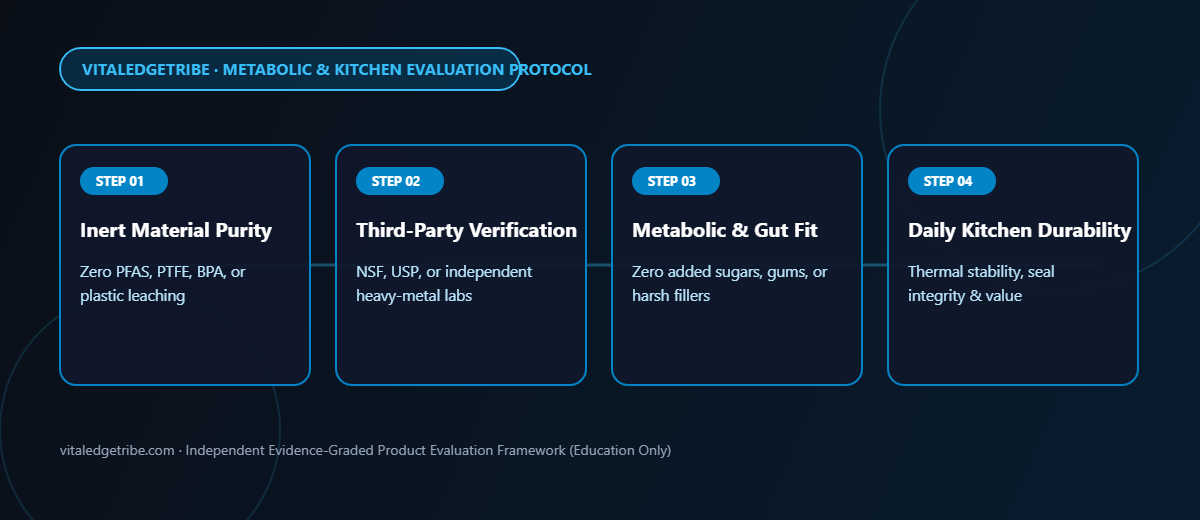
- Assess product quality by checking manufacturing controls, batch traceability, and independent testing results before purchase.
- Ask explicit questions about regulatory status, supporting evidence, and potential adverse effects to reduce unknown risks.
If you encounter unapproved products, treat the decision as a careful tradeoff between potential benefits and documented safety signals. Seek professional evaluation promptly if safety concerns arise and document any reactions with dose, timing, and accompanying symptoms.
References