
Disclosure: This article is for educational purposes only and is not medical advice. It contains affiliate links — as an Amazon Associate I earn from qualifying purchases at no extra cost to you.
Medical note: This article is for education only and is not medical advice. Talk to a doctor or pharmacist before starting a supplement or changing any treatment, especially if you are pregnant, breastfeeding, take prescription medicines or have a health condition. Individual results vary.
Disclosure: VitalEdgeTribe may earn a commission if you buy through links on this page, at no extra cost to you. Commissions never decide our rankings.
Table of Contents
- Sarcopenia and Aging: How Muscle Loss Shapes Metabolic Health
- Strength Loss Outpaces Muscle Size Decline
- Aging muscles respond more poorly to amino acids and resistance training. The muscle protein synthesis response to protein intake and exercise is blunted, and the signaling that drives growth, such as mTOR activity, can be reduced. This anabolic resistance means it takes more precise nutrition and training to achieve the same gains you might have seen when younger.
- Metabolic resilience depends on healthy muscle mitochondria. With age, reduced mitochondrial ATP production capacity and impaired autophagy contribute to higher reactive oxygen species and less efficient energy use. Maintaining mitochondrial health supports better endurance, quicker recovery after activity, and steadier energy production throughout the day.
- Protein intake supports muscle protein synthesis, especially when combined with resistance training. Adequate protein helps counter anabolic resistance and supports muscle hypertrophy and maintenance. Spreading protein intake across meals can help maximize synthesis opportunities, while attention to total daily protein supports ongoing muscle health alongside other nutrients.
- If you want to preserve muscle and metabolic resilience, consider these practical steps: Engage in regular resistance training 2-3 days per week, targeting major muscle groups with progressive overload. Incorporate daily movement: walk more, take stairs when safe, and reduce prolonged sedentary periods. Eat sufficient protein at each meal to support muscle protein synthesis, especially around workouts. Include aerobic activity for overall cardiovascular health and to complement strength training. Monitor energy balance to avoid excessive weight loss, which can worsen muscle loss, while aiming for a healthy body composition.
- What is sarcopenia? It is the age related loss of muscle mass and strength that can impair function and metabolism. It tends to progress with age and inactivity. For example, a 70 year old who sits most days may lose more muscle than a peer who walks 30 minutes daily. How quickly does strength decline? Why does muscle strength decline faster than size? Neural and hormonal factors, along with anabolic resistance, mean nerves and signaling pathways contribute to strength losses beyond what muscle size alone would predict. In practice, you might notice grip strength dropping before thigh girth changes, signaling neural contributions to weakness. Hormones and muscle health What role do hormones play? Hormones such as testosterone and IGF-1 influence muscle maintenance. Age related hormonal changes can contribute to sarcopenia, but resistance training and nutrition can help mitigate some effects. For instance, older adults may benefit from protein intakes of about 1.2-1.6 g/kg/day paired with progressive resistance work. Exercise as a management strategy Can exercise stop sarcopenia? It can slow its progression and improve function, especially when paired with proper protein intake and consistent activity. It is not a cure, but it is a powerful protective strategy. Real world tip: aim for 2-3 full body strength sessions weekly, plus daily light activity like walking 20 minutes, to preserve muscle quality. Impact of inactivity How does inactivity affect aging muscles? Sedentary behavior accelerates muscle breakdown and reduces metabolic flexibility, making it harder to perform daily activities and maintain energy balance. After a week of limited activity, some muscle tone can noticeably diminish; reintroducing small resistance tasks returns function faster than you expect. Introduction
- How Muscle Mass Declines With Age
- Sarcopenia and Metabolic Health
- Key Mechanisms Linking Muscle and Metabolism
- Strategies to Preserve Muscle Mass
- Exercise and Lifestyle Interventions for Metabolic Health
- When to Seek Screening and Diagnosis
- FAQ
- Conclusion
You’re living in a time when aging bodies don’t have to mean a quiet fade in strength or stamina. This section explains how sarcopenia, the loss of muscle mass that comes with age, affects your metabolic resilience and what you can do to preserve muscle as you age. We’ll connect the dots between muscle, metabolism, and daily function, and offer practical steps you can take starting today.
Sarcopenia and Aging: How Muscle Loss Shapes Metabolic Health
Muscle mass declines with age and the pace varies by person. After age 30, you can lose up to about 8% of muscle mass per decade, with more loss in the legs and lower body. By the 70s, some people see about 0.7-0.8% loss per year, and the decline often speeds after age 60. This gradual loss affects not just strength but how your body uses energy during daily tasks like walking, stairs, and balancing on uneven surfaces.
Practical implications and actions
To counter this, prioritize resistance training 2-3 times weekly and include a mix of leg and core exercises. For example, combine squats, step ups, and planks, then add a short cardio session to support endurance. Track progress by noting how heavy a simple task feels, such as carrying groceries up stairs, and aim for gradual improvements over 6-8 weeks.
As muscle shrinks, mitochondrial function also declines. Mitochondria, the cell’s powerhouses, may show reduced volume density and efficiency, which can lower metabolic resilience and recovery after workouts. This translates to needing longer recovery between sessions and feeling more fatigued on busy days.
Strength Loss Outpaces Muscle Size Decline
Strength can fall faster than muscle size. This means you may notice functional declines that outpace visible changes in muscle mass, such as weaker knee extension relative to how the muscle looks on a screen or in a mirror.
Real life impact: you might struggle with rising from a chair, climbing stairs, or maintaining balance during longer tasks. The gap between strength and size raises the likelihood you need support like a cane or longer rest periods after activity.
Practical steps you can take now: obtain a strength and balance assessment with a physiotherapist, add two to three short leg and hip strengthening sessions weekly, and pair workouts with protein-rich meals within an hour after training to support gains.
- Prioritize multi joint exercises such as squats and step ups that target knee extensors and the surrounding muscle group.
- Track daily tasks you find challenging to guide progression and adjust loads safely.
- Use a simple home test, like a chair stand or balance check, monthly to monitor changes and catch declines early.
Aging muscles respond more poorly to amino acids and resistance training. The muscle protein synthesis response to protein intake and exercise is blunted, and the signaling that drives growth, such as mTOR activity, can be reduced. This anabolic resistance means it takes more precise nutrition and training to achieve the same gains you might have seen when younger.
Sedentary behavior compounds age-related muscle changes. Inactivity can trigger lasting metabolic signals that promote muscle dysmetabolism and accelerate loss. Prolonged low activity mirrors some effects of aging on muscle size, strength, and metabolic function.
For example, a week of couch time can lower insulin sensitivity and reduce mitochondrial efficiency in leg muscles, even if you exercise on other days. Adults who average more than 8 hours of sedentary time daily tend to show greater declines in leg strength over a year than those who sit fewer hours.
Practical steps you can take include breaking up sitting with 5 to 10 minute movement breaks every hour, brisk walks, light resistance work, or standing chores. Use a timer, a desk pedal, or stairs during calls to disrupt long bouts of sitting. Aim for at least 150 minutes of moderate activity weekly, with two sessions of strength training. Pair cardio with resistance work to support muscle mass and metabolic health.
Edge cases like travel or injury can limit activity. In those times, maintain small activity pockets: chair stands, ankle pumps, or elastic band routines in confined spaces. If you notice persistent fatigue or muscle stiffness, consult a clinician to rule out metabolic or orthopedic causes and adjust your plan accordingly.
Metabolic resilience depends on healthy muscle mitochondria. With age, reduced mitochondrial ATP production capacity and impaired autophagy contribute to higher reactive oxygen species and less efficient energy use. Maintaining mitochondrial health supports better endurance, quicker recovery after activity, and steadier energy production throughout the day.
Resistance training and regular activity remain essential for slowing sarcopenia and safeguarding metabolic function. Training supports muscle quality, enhances mitochondrial efficiency, and improves sensitivity to anabolic signals. Keep a steady, sustainable plan rather than chasing occasional bursts of effort.

Begin with two 20 to 30 minute sessions weekly, using bodyweight or light resistance. Gradually extend by 2 to 5 minutes or 1 to 2 extra reps per session every week, then advance to compound moves like squats, lunges, and bent over rows. Target 8 to 12 repetitions per set, 2 to 3 sets per exercise, with 60 to 90 seconds rest between sets.
Aim for 2 to 3 days of resistance training weekly alongside about 150 minutes of moderate cardio. Simple metrics like stairs climbed, loads lifted, and gait quality help track progress. Listen to joints and adjust load or range of motion to prevent pain or injury.
Protein intake supports muscle protein synthesis, especially when combined with resistance training. Adequate protein helps counter anabolic resistance and supports muscle hypertrophy and maintenance. Spreading protein intake across meals can help maximize synthesis opportunities, while attention to total daily protein supports ongoing muscle health alongside other nutrients.
Protein intake supports muscle protein synthesis, especially when paired with resistance training. Adequate protein helps counter anabolic resistance and supports muscle maintenance. Distributing protein across meals can help maximize synthesis opportunities while ensuring balanced intake of other nutrients throughout the day.
If you want to preserve muscle and metabolic resilience, consider these practical steps:
- Engage in regular resistance training 2-3 days per week, targeting major muscle groups with progressive overload.
- Incorporate daily movement: walk more, take stairs when safe, and reduce prolonged sedentary periods.
- Eat sufficient protein at each meal to support muscle protein synthesis, especially around workouts.
- Include aerobic activity for overall cardiovascular health and to complement strength training.
- Monitor energy balance to avoid excessive weight loss, which can worsen muscle loss, while aiming for a healthy body composition.
Discuss muscle health openly with your clinician. If you notice slower walking speed, difficulties with stairs, or a drop in daily energy, bring these observations to your next visit. Your provider can help tailor a plan that includes strength training, nutrition optimization, and a check of hormone status and metabolic markers when appropriate.
What is sarcopenia? It is the age related loss of muscle mass and strength that can impair function and metabolism. It tends to progress with age and inactivity. For example, a 70 year old who sits most days may lose more muscle than a peer who walks 30 minutes daily.
How quickly does strength decline?
Why does muscle strength decline faster than size? Neural and hormonal factors, along with anabolic resistance, mean nerves and signaling pathways contribute to strength losses beyond what muscle size alone would predict. In practice, you might notice grip strength dropping before thigh girth changes, signaling neural contributions to weakness.
Hormones and muscle health
What role do hormones play? Hormones such as testosterone and IGF-1 influence muscle maintenance. Age related hormonal changes can contribute to sarcopenia, but resistance training and nutrition can help mitigate some effects. For instance, older adults may benefit from protein intakes of about 1.2-1.6 g/kg/day paired with progressive resistance work.
Exercise as a management strategy
Can exercise stop sarcopenia? It can slow its progression and improve function, especially when paired with proper protein intake and consistent activity. It is not a cure, but it is a powerful protective strategy. Real world tip: aim for 2-3 full body strength sessions weekly, plus daily light activity like walking 20 minutes, to preserve muscle quality.
Impact of inactivity
How does inactivity affect aging muscles? Sedentary behavior accelerates muscle breakdown and reduces metabolic flexibility, making it harder to perform daily activities and maintain energy balance. After a week of limited activity, some muscle tone can noticeably diminish; reintroducing small resistance tasks returns function faster than you expect.
Introduction
Muscle mass and metabolic health connect in practical ways you can act on today. When you lose muscle, you burn fewer calories at rest, which can make weight management tougher and daily tasks more draining. This affects energy, balance, and how your body uses glucose and fat during real life activities like climbing stairs or carrying groceries.
Sarcopenia is the age related decline in muscle mass and function. It tends to begin after age 30 and speeds up after age 60. You might notice quicker fatigue, slower walks, and more effort required for stairs or lifting.
To act now, focus on evidence based strategies. Prioritize resistance training two to three times weekly, target protein intakes in the range of 1.2 to 1.6 grams per kilogram of body weight daily, and ensure adequate vitamin D and sleep. These steps can help blunt insulin resistance, improve glucose disposal, and sustain muscle quality as you age. If you have chronic conditions, talk with a clinician about a tailored plan and safe progression.
Related Innovation
How Muscle Mass Declines With Age
Rate of decline after age thirty
You start losing muscle mass gradually after your thirties. The pace accelerates in the 60s and beyond, especially in the legs and hips. This makes daily tasks like climbing stairs or carrying groceries harder over time, even if you feel generally healthy. The decline is steady rather than abrupt, so early attention matters.
a 65-year-old who did light activity for years may notice stairs feel steeper and footholds fade. Strength loss often shows up first as reduced pace when walking and slower rising from a chair. By planning small changes now, you reduce the severity of these shifts over the next decade.
Practical steps: schedule two 20 minute resistance sessions weekly that include leg presses, bodyweight squats, and hip hinges. Add two 15 minute walks on nontraining days. Track progress with simple measures like how many chair stands you can do in 30 seconds, then aim to improve by one rep weekly.
Data point: research shows resistance training can offset age related lean mass loss by up to 2-3% per year in previously inactive adults when they maintain consistency. Start small and build gradually to protect function.
Edge case: people with chronic conditions or joint pain should consult a clinician before heavy lifting. Begin with low impact movements, progress slowly, and monitor for joint discomfort that lasts beyond 48 hours.
Impact of physical inactivity on muscle loss
A sedentary lifestyle speeds up sarcopenia. When you move less, the body reduces signals that support muscle growth and maintenance, amplifying age-related loss. This creates a cycle where weaker muscles discourage activity, and inactivity fuels further decline.
Real world scenario: a desk job combined with binge watching on weekends leads to days with virtually no muscle engagement. Over months, you might notice easier fatigue during routine chores or trouble standing from the floor without support.
Actionable tips: break up sitting every 30 minutes with 2-3 minutes of standing or light resistance moves. Use stairs instead of elevators, carry groceries in a basket rather than a cart, or set a daily step goal of 7,000-10,000 steps.
Expert note: Healthline recommends pairing aerobic activity with resistance training to preserve both muscle and metabolic health. If you have limited time, a 15 minute brisk walk plus a 15 minute strength circuit can yield meaningful benefits.
Common mistake: relying on cardio alone without strength work. Cardio preserves endurance but not muscle mass; add progressive overload to see stronger results.
Sarcopenia and Metabolic Health
What sarcopenia is and how it develops
Sarcopenia is the age related loss of muscle mass and function. It develops over years through a combination of inactivity, hormonal changes, and impaired muscle protein synthesis.
Practical example: a 65 year old who sits for long periods and eats less protein may notice weaker grip and slower stairs ascent over 6 to 12 months. Subtle shifts in walking pace or rising from a chair can signal progression.
Contributors include reduced anabolic signaling, hormonal shifts, and changes in muscle fiber composition. These factors blunt the muscle’s ability to grow and repair after use. In some cases, clinicians may observe lower anabolic markers on tests or shifts in fiber type.
Over time, muscle quality and function decline, affecting energy use and nutrient handling as you age. You may notice slower workouts, more effort with daily tasks, and greater fatigue after short walks.
How muscle loss affects insulin sensitivity and metabolic risk
Muscle is a major site for glucose uptake. When mass declines, the body’s capacity to clear glucose can falter, potentially raising fasting glucose and impairing tolerance in some people.
Evidence suggests that two to three weekly resistance sessions can modestly improve insulin sensitivity in older adults. A practical target is 2-3 sets of 8-12 reps per major muscle group, two to three days per week, with progressive overload.
Smaller muscles also reduce resting energy expenditure. With less energy burned at rest, calories may more readily contribute to fat gain, nudging metabolic risk markers upward over time.
Maintaining muscle supports insulin sensitivity and steadier energy balance during daily activities. For Healthline readers, a protein intake around 0.8-1.2 g per pound of body weight daily, paired with light daily activity such as a 20-minute brisk walk, can support these goals.
Key Mechanisms Linking Muscle and Metabolism
Muscle as a metabolic tissue
Muscle is a dynamic player in energy balance, not just a motor for movement. It consumes glucose and fatty acids, contributing to resting energy expenditure and overall metabolic health. Even at rest, muscle mass helps determine how calories are allocated across days and weeks.
As muscle mass declines, the body’s capacity for glucose disposal and lipid oxidation diminishes. This can shift energy use toward fat storage and reduce metabolic flexibility, making it harder to adapt to meals, fasting, or stressors as you age.
Hormonal and molecular drivers of muscle loss
Age-related hormonal changes blunt anabolic signaling, slowing muscle protein synthesis after exercise and daily activity. This dampens recovery and limits gains from training.
At the cellular level, signaling networks governing muscle remodeling shift in ways that reduce the effectiveness of exercise. Changes in gene expression tied to muscle repair, satellite cell activity, and protein turnover contribute to gradual muscle loss.
External factors matter too. Chronic inflammation, oxidative stress, and altered nutrient sensing disrupt the balance between muscle breakdown and building. Over time, these forces weaken the link between muscle health and metabolic risk, narrowing the metabolic reserve available during illness or fasting.
Strategies to Preserve Muscle Mass
Strength training and resistance exercise
Regular resistance work slows sarcopenia by signaling muscle maintenance and growth. In real life, older adults who lift twice weekly see clearer improvements in daily tasks like carrying groceries and getting in and out of a car.
Prioritize progressive overload with safe progression. Add 2-5% weight increases or 1-2 extra reps every 1-2 weeks, and swap in a challenging set if you plateau.
Incorporate compound movements that mirror daily actions. Include squats, overhead presses, and rows to preserve functional strength for stairs, lifting items from the floor, and standing from a chair.
Nutrition for muscle maintenance in older adults
Protein remains central. Aim for 25-40 grams of high quality protein per meal from sources like lean poultry, dairy, legumes, and fish to support muscle protein synthesis after workouts.
Distribute protein evenly across meals to sustain anabolic responses. If you dine on three meals daily, add a protein-rich snack to reach 0.6-0.8 g/kg/day total protein, depending on body weight and activity level.
Pair protein with carbohydrates around training sessions. A half cup of rice or a piece of fruit with your post workout yogurt can boost glycogen recovery and muscle repair.
Managing activity levels and daily routines
Avoid long sedentary periods. Stand up every 30-60 minutes, or perform a 2-minute household circuit to keep muscle signaling active.
Incorporate incidental resistance into daily tasks. Use stairs, carry lighter loads more often, and perform tempo pushes during garden chores to add muscular demand.
Consistency beats intensity. A steady, moderate activity plan four to five days weekly maintains muscle size and supports metabolic health better than sporadic high effort sessions.
Exercise and Lifestyle Interventions for Metabolic Health
Incorporating aerobic and combined training
A solid aerobic base supports cardiovascular health and helps maintain glucose balance, a key aspect of metabolic resilience as you age. Pair cardio with resistance work to protect muscle while boosting endurance and daily activity stamina.
A practical approach is three sessions per week of combined training. Start with 20-30 minutes of brisk activity, then finish with 15-20 minutes of strength work targeting major muscle groups. This approach helps counteract age related muscle loss and supports overall metabolism.
- Alternate days: aerobic one day, strength the next.
- Progressive overload in both domains to sustain muscle protein synthesis and prevent plateaus.
- Monitor effort with a conversational pace during cardio to stay in a safe zone that protects joints and reduces injury risk.
Real world setup: schedule a Tuesday brisk walk followed by bodyweight squats and rows, then Friday cycle intervals with light dumbbell presses. If mornings aren’t workable, swap to evenings and keep total weekly volume steady to maintain adherence.
Practical enhancements: track weekly minutes of cardio and total strength sets, aiming for gradual progression. Use tempo cues like 2 seconds up, 2 seconds down during resistance work to improve technique and safety.
Sleep, stress, and recovery considerations
Quality sleep supports hormonal balance essential for muscle repair and metabolic control. Aim for a consistent sleep window and minimize screen exposure before bed to improve sleep quality.
Chronic stress shifts hormones in ways that can blunt muscle gains and worsen insulin sensitivity. Incorporate short mindfulness or breathing sessions to support metabolic health.
Recovery matters as much as training volume. Schedule rest days and watch for signs of overreaching such as persistent fatigue or declining performance.
| Aspect | Impact on metabolic health | Practical tips |
|---|---|---|
| Aerobic training | Improves cardiovascular fitness and glucose disposal | Three sessions weekly; vary intensity and duration |
| Resistance training | Preserves muscle mass and resting energy expenditure | Two sessions weekly; progress gradually with compound movements |
| Sleep | Supports hormone driven repair and metabolism | Maintain regular bedtimes; aim for 7-9 hours |
When to Seek Screening and Diagnosis
Recognizing signs of sarcopenia
Sarcopenia reflects more than shrinking muscles. It manifests in daily life through changes that make ordinary tasks harder.
You may notice a slower walking pace, reduced endurance during activities, and trouble with stairs or rising from a chair. Some people also observe smaller muscle size in the limbs and weaker grip strength.
- Slower walking speed or shorter distances
- Difficulty standing from a seated position
- Lower handgrip strength
- Progressive loss of muscle size over time
Risks and when to consult a clinician
Chronic conditions such as COPD, cardiovascular disease, or metabolic disorders raise the risk of muscle loss and warrant assessment. If you notice symptoms despite staying active, bring them to a clinician’s attention.
Seek medical input promptly if you experience sudden weakness, imbalance, frequent falls, or marked fatigue during routine activities.
| Scenario | What to do | Why it matters |
|---|---|---|
| Consistently slow walking | Schedule a clinical evaluation for muscle function testing and consider a simple 6-minute walk test at home with a timer | Helps distinguish normal aging from clinically relevant sarcopenia |
| New balance problems | Discuss gait analysis, home safety checks, and preventive strategies like balance training | Reduces fall risk and informs targeted therapy |
| Unexplained fatigue with usual activity | Review nutrition, activity, and comorbidity management; track energy levels for 2 weeks | Links energy loss to potential metabolic concerns |
Tools and Products That Help
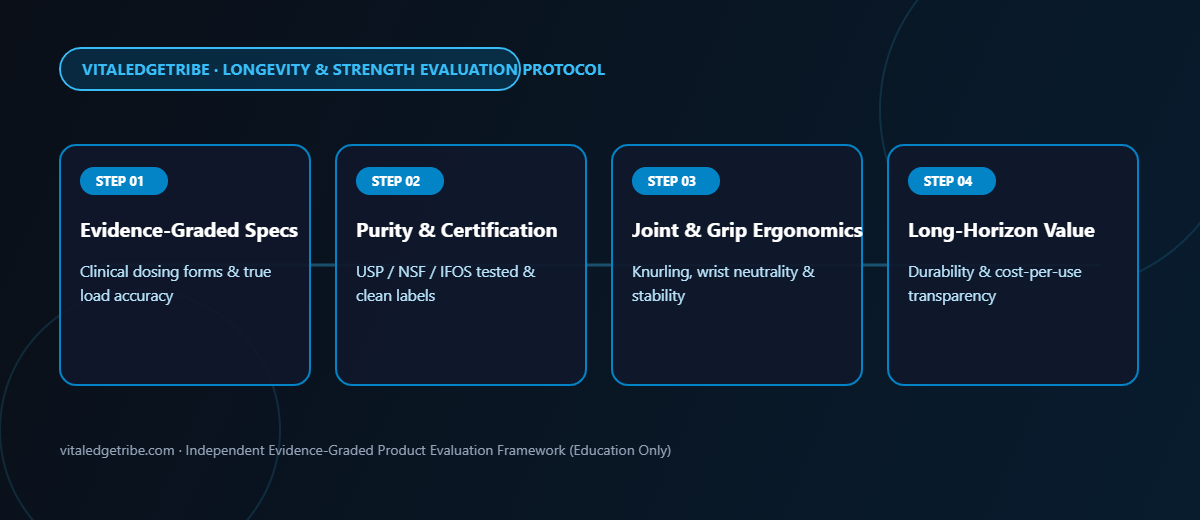
Practical Tools & Further Reading: If you want to apply the concepts in this guide at home, these vetted tools fit the protocol:
- Optimum Nutrition Micronized Creatine Monohydrate Powder: Unflavored, single-ingredient creatine monohydrate studied for cellular ATP regeneration and lean strength retention. Check the current price on Amazon.
- Fit Simplify Resistance Loop Exercise Bands Set: Versatile five-level resistance band set for home eccentric tendon loading, joint warmups, and progressive mobility. Check the current price on Amazon.
- TriggerPoint GRID High-Density Foam Roller: Multi-density exterior grid pattern for post-workout myofascial release and thoracic spine mobility. Check the current price on Amazon.
As an Amazon Associate I earn from qualifying purchases. Education only, not medical advice.
FAQ
Sarcopenia is more than just aging muscles. It is a clinically meaningful loss of muscle mass and function that goes beyond typical aging, affecting strength, stamina, and daily tasks. This can increase the risk of falls and dependence, especially as you age.
Recognizing the signs in daily life
What are common symptoms to watch for? Look for muscle weakness, a slower walk, challenges climbing stairs, and reduced endurance during daily tasks. You might notice smaller muscles in your arms or legs or trouble with activities you once did easily.
- Decreased walking speed or distance
- Difficulty standing from a chair
- Lower grip strength
- Shrinking muscle size in limbs
What causes sarcopenia? Age-related changes slow protein synthesis and muscle repair. Physical inactivity speeds up loss, while regular resistance training, adequate protein, and overall activity help preserve muscle mass and metabolic health.
How can I tell if I’m at risk? Factors include advancing age, a sedentary lifestyle, and chronic conditions that affect mobility or metabolism. If you notice gradual functional decline or multiple symptoms, consider a clinician evaluation.
What strategies help preserve muscle with age? Prioritize resistance training to stimulate muscle growth, pair it with aerobic activity, and ensure enough protein intake. Regular activity and quality sleep support recovery and metabolic health.
- Concrete plan: schedule 2-3 short resistance sessions weekly, using bodyweight, bands, or machines.
- Real-world example: pair leg presses with daily 15-minute brisk walks to improve function.
- Practical tip: distribute 25-40 g of high‑quality protein across meals to maximize synthesis.
| Concern | Impact on health | Practical approach |
|---|---|---|
| Sarcopenia risk | Higher chance of mobility limitations and metabolic issues | Incorporate 2-3 resistance sessions weekly plus daily movement |
| Muscle weakness | Greater difficulty with stairs and standing from seats | Progressive load, targeted lower-body work |
| Metabolic health | Muscle supports glucose disposal and resting energy use | Balance protein intake with timing around workouts |
Conclusion
Sarcopenia affects more than appearance. It alters how your body uses energy, processes glucose, and recovers after activity.
An integrated plan helps maintain muscle and metabolic health. Combine regular resistance training with practical protein targets and consistent daily movement to slow decline and protect function.
- Prioritize progressive strength work 2-3 times per week with movements that mirror daily tasks.
- Distribute protein intake across meals to support muscle repair and synthesis.
- Break up long periods of sitting and add light activity throughout the day.
Practical steps you can start today: Schedule two 20 to 30 minute strength sessions this week using compound moves like chair stands, wall pushups, and bent knee rows. Pair each session with a protein-rich snack or meal, aiming for about 25-40 grams of protein per main meal depending on body size and activity level. Break up long sits with a 2-minute walk or light leg movements every hour to keep muscles engaged between workouts.
| What matters most | Practical takeaway |
|---|---|
| Muscle maintenance | Combined resistance training and steady protein intake. |
| Metabolic health | Keep moving to support insulin sensitivity and energy balance. |
| Daily function | Focus on exercises that improve balance, gait, and everyday tasks. |