Medical note: This article is for education only and is not medical advice. Talk to a doctor or pharmacist before starting a supplement or changing any treatment, especially if you are pregnant, breastfeeding, take prescription medicines or have a health condition. Individual results vary.
These statements have not been evaluated by the Food and Drug Administration. Products mentioned are not intended to diagnose, treat, cure or prevent any disease.
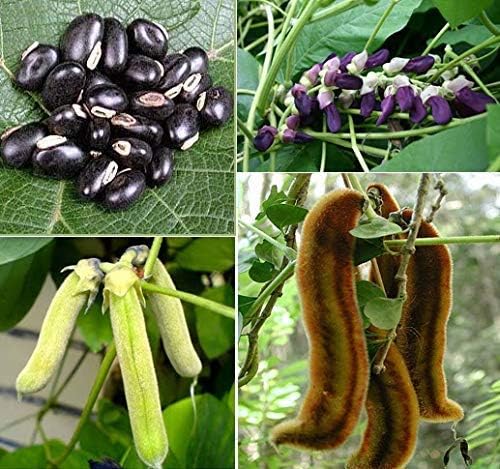
Mucuna typically appears as green, fuzzy pods or raw, dark seeds. This plant, often called velvet bean, is a tropical legume used for centuries in traditional Ayurvedic practices. Navigating the many forms—from raw seeds to refined powders and capsules—can be confusing for anyone new to herbal supplements. This guide will help you understand your options by focusing on ingredients, concentration, and usage, rather than marketing claims. Our top choice for most users is NOW Supplements Dopa Mucuna, which provides a standardized extract for consistent potency.
What Actually Matters
Standardization vs. Raw Material
Some products contain raw plant powder, while others use standardized extracts. Standardization ensures a consistent amount of active compounds, like L-Dopa, in every dose. If you want a predictable experience, look for a label that lists a specific percentage of the active ingredient. Raw powders vary naturally, which makes it harder to know exactly how much you’re getting per scoop.
Extract Concentration
Concentration is measured by ratios, such as 20:1. This means twenty parts of the raw plant are processed to create one part of the final extract. Higher ratios indicate a more potent product, which is helpful if you prefer smaller doses. Check the label for this ratio to see how much raw material was used to create your supplement.
Delivery Method
How you take your supplement changes how it fits into your daily routine. Capsules are convenient and pre-measured, while powders allow for flexible dosing in smoothies or juices. Some formulas, like those with enteric coatings, are designed to protect the ingredients until they reach the small intestine. Choose the method that best matches your lifestyle and comfort with measuring powders.
Purity and Additives
Many people choose these supplements for specific wellness goals, so look for labels that explicitly state what is left out. Common concerns include fillers, soy, gluten, and GMOs. Third-party testing or GMP certification provides extra assurance that the product has been checked for quality and safety. Always verify that the brand follows these practices if you have dietary restrictions.
1. NOW Supplements Dopa Mucuna

Best for: Consistent daily wellness support.
This supplement is a standardized extract, which means it provides a reliable 15% L-Dopa content in every capsule. Because it’s standardized, you don’t have to worry about the natural variations found in raw plant materials. It’s a good choice for those who want a simple, no-fuss routine without needing to measure powders or manage complex mixing.
This product isn’t for someone who prefers raw, unprocessed plant matter, as the extraction process removes the fiber and other components of the whole bean. It’s also not suitable for those who have trouble swallowing capsules, as the serving size requires taking multiple veg caps to reach the intended dose.
Pros:
- Standardized 15% L-Dopa content.
- Certified GMP quality.
- Free from soy, gluten, and dairy.
- Convenient capsule form.
Cons:
- Requires swallowing multiple capsules.
2. Himalaya USDA Organic Mucuna Pruriens Supplement

Best for: Those seeking organic, Ayurvedic-inspired care.
Himalaya uses both stem powder and extract to provide a formula grounded in traditional practices. This approach differs from competitors who often use only crushed beans. It’s a thoughtful option if you value organic certification and want a supplement that aims to support physical tension and occasional sleeplessness.
This product isn’t for users looking for the highest possible concentration of L-Dopa, as it focuses on a traditional blend. If you’re looking for a high-potency supplement to support specific neurotransmitter levels, you might find this formula too mild for your needs.
Pros:
- USDA Organic certified.
- Uses both stem powder and extract.
- Non-GMO and vegan.
- Family-owned brand heritage.
Cons:
- Lower concentration than pure extracts.
3. BSD Organics Poonaikali Seeds/jangali/Dulagondi/Mucuna Prurita (200 Gram)

Best for: Users who want to prepare their own remedies.
These raw seeds give you total control over how you use the product. You can grind them into a powder, put them in capsules, or mix them with oils. This is the most authentic way to handle the plant, but it requires the most work from the user to prepare it for consumption.
This product isn’t for someone who wants a quick, ready-to-take supplement. If you don’t have the time or equipment to process raw seeds into a usable powder or extract, you’ll likely find these difficult to incorporate into your day.
Pros:
- Versatile raw form.
- Traditional whole bean.
Cons:
- Requires manual preparation.
4. Banyan Botanicals Kapikacchu Powder

Best for: Those who prefer traditional powdered herbs.
Banyan Botanicals focuses on sustainability and fair trade, sourcing their organic beans from farms in India. This powder is designed to be mixed into drinks or food. It’s a great option if you want to support a company that emphasizes ethical sourcing and third-party testing for quality assurance.
This product isn’t for people who dislike the earthy taste of herbal powders.
Pros:
- Fair Trade certified.
- USDA Organic.
- Third-party quality tested.
Cons:
- Strong herbal flavor.
5. Samsara Herbs Mucuna Pruriens Velvet Bean

Best for: Users who want a potent, concentrated powder.
This 20:1 extract is highly concentrated, meaning you need very little to get a strong serving. It’s designed to be mixed into liquids like smoothies or yogurt, which helps improve the texture and taste compared to drinking it in plain water. It’s a great choice if you prefer a high-potency product in a small volume.
This product isn’t for those who want a simple, pre-measured dose in a capsule. If you don’t enjoy the process of scooping and mixing, or if you find the taste of concentrated extracts unappealing even when masked, you’ll likely prefer a capsule-based supplement.
Pros:
- Highly concentrated 20:1 ratio.
- Premium grade extract.
- Easy to mix.
Cons:
- Requires careful measuring.
6. Hawaii Pharm Mucuna Seed Alcohol-Free Extract

Best for: Those who avoid alcohol-based tinctures.
This liquid extract uses vegetable glycerin as a base, making it a gentle, alcohol-free alternative for your daily routine. It’s handcrafted in small batches, which appeals to those who prefer products made with personal attention to detail. It’s easy to add to water or juice, providing a convenient way to take your supplement.
This product isn’t for someone who wants the raw, powdered form of the herb. If you prefer the traditional feeling of consuming a ground plant powder or a capsule, the liquid extract will feel like a very different experience.
Pros:
- Alcohol-free glycerite base.
- Handcrafted in small batches.
- Mild, slightly sweet taste.
Cons:
- Specific storage needs for liquids.
7. Hoxem Velvet Bean Seeds
Best for: Gardeners interested in growing the plant.
These seeds are intended for cultivation rather than consumption. If you’re curious about how the plant looks in nature and want to see the “velvet bean” grow, this is your best option. The listing does not mention food-grade safety or preparation instructions, so treat these strictly as seeds for planting.
This product isn’t for anyone looking for a health supplement to take immediately. If you try to consume these without proper processing, you won’t get the benefits found in refined supplements, and you shouldn’t attempt to use them for health purposes.
Pros:
- Ideal for home gardening.
Cons:
- Not for consumption.
8. Kaunch Seeds White Safed 100gm

Best for: Those who want raw, whole seeds.
These are natural, whole raw seeds that provide the plant in its most basic state. They’re a traditional ingredient for those who prefer to process their own herbs from scratch. If you have a grinder and want to ensure you’re getting the entire seed, this is a straightforward choice.
This product isn’t for those who want a convenient, pre-prepared supplement. Without any processing, these seeds are hard to swallow and must be ground or otherwise prepared before they can be used effectively in any regimen.
Pros:
- Natural whole raw seeds.
- Traditional herbal ingredient.
Cons:
- Requires significant preparation.
9. BulkSupplements L-Dopa Powder

Best for: Users who want the highest concentration.
With a minimum of 99% L-Dopa, this is a very potent extract. It contains no fillers or additives, which is ideal if you’re sensitive to ingredients like soy or gluten. It’s a minimalist product designed for those who know exactly what dosage they need and want nothing else in their supplement.
This product isn’t for beginners. Because it’s so concentrated, it’s very easy to take too much if you don’t have a precise scale to measure your servings accurately. It’s also not for those who want a whole-plant experience, as this is a 99% L-Dopa extract.
Pros:
- Extremely high 99% L-Dopa.
- No fillers or additives.
- Very potent.
Cons:
- Difficult to measure safely.
10. SOLARAY Dopabean 333mg

Best for: Those who want an enteric-coated formula.
Solaray includes an enteric coating that helps protect the L-Dopa from stomach acids, allowing it to be absorbed in the small intestine. It also includes the enzyme alpha galactosidase.
This product isn’t for those looking for a pure, single-ingredient supplement. If you want to avoid extra ingredients like enzymes or coatings, you might find this formula more complex than you need.
Pros:
- Protective enteric coating.
- Includes digestive enzymes.
- GMP-certified facility.
Cons:
- More ingredients than basic extracts.
Who Should Buy Which
If you want a reliable, daily supplement without the mess, choose NOW Supplements Dopa Mucuna. For those who prioritize organic practices and a traditional approach, Himalaya Organic Mucuna is an excellent pick. If you’re a fan of high-potency extracts, BulkSupplements L-Dopa Powder offers extreme concentration, while Samsara Herbs Mucuna Extract is perfect for those who want a strong 20:1 extract that mixes easily into smoothies. For those who want the most control over their preparation, Banyan Botanicals Kapikacchu Powder is a high-quality, ethically sourced choice that comes in a single, convenient serving component.
Mistakes That Catch Buyers Out
- Choosing a raw seed when you actually wanted a standardized extract for consistent results.
- Assuming that more potent means better for your specific health needs without checking the dosage.
- Ignoring the serving size and taking too much of a highly concentrated powder.
- Buying seeds intended for gardening and attempting to use them as a health supplement.
As an Amazon Associate, we earn from qualifying purchases. This post contains affiliate links – if you buy through them, we may earn a commission. Most users find that NOW Supplements Dopa Mucuna provides the best balance of ease and consistency. Before buying, check the label to ensure the L-Dopa content matches your specific wellness goals, as dietary supplement regulations vary by region and product type.
Frequently Asked Questions
Can I mix these powders with hot liquids?
The listing doesn’t mention heat stability or mixing with hot liquids. It’s usually best to stir them into warm or room-temperature liquids like juice, smoothies, or yogurt to preserve their quality and improve the taste.
How should I store my mucuna supplement?
Keep your supplement in a cool, dry place away from direct sunlight. For powders, ensure the container is sealed tightly after each use to prevent moisture from entering. Proper storage helps maintain the potency of the extract until you finish the container.
Is it safe to take mucuna every day?
Many users take these supplements daily, but it’s best to start with a lower dose to see how your body responds. Since these supplements affect neurotransmitter pathways, it’s wise to monitor your mood and physical response closely and consult with a professional if you have concerns.
What is the difference between velvet bean and mucuna?
They’re the same thing. Mucuna pruriens is the scientific name for the plant, while “velvet bean” is a common name often used because of the fine, soft hairs that cover the seed pods. Both terms refer to the same source of L-Dopa.
Why do some supplements have an enteric coating?
An enteric coating is used to prevent the capsule from breaking down in the harsh acid of your stomach. This allows the supplement to pass into the small intestine, where it can be absorbed more efficiently, protecting the L-Dopa from being neutralized before it can work.
Conclusion
Adding this supplement to your routine doesn’t have to be complicated if you start slowly. Since everyone’s body reacts differently, it’s a good idea to consult your doctor before you begin. Once you’ve cleared it with a professional, you’ll be ready to see how this plant supports your daily well-being.