Medical note: This article is for education only and is not medical advice. Talk to a doctor or pharmacist before starting a supplement or changing any treatment, especially if you are pregnant, breastfeeding, take prescription medicines or have a health condition. Individual results vary.
Finding the best non-sleep deep rest protocol for fast mental recovery depends on your available time and the specific type of fatigue you face. For a quick daily reset, Micro-Recovery for Overwhelmed Minds is a common starting point, while The Cognitive Recovery Toolkit is better suited for clearing mental fog after heavy decision-making.
1. Micro-Recovery for Overwhelmed Minds
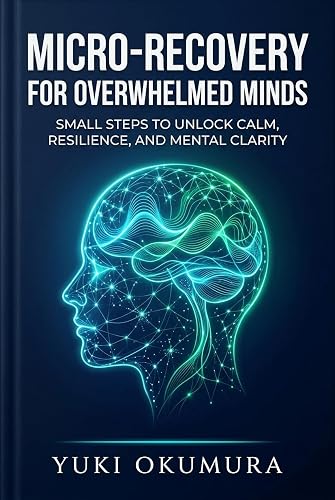
Best for: A knowledge worker needing a quick reset during a busy day.
This system is built for people who can’t afford to burn out. It provides a 5-minute structure that fits easily into a schedule packed with meetings and deadlines. Because it’s designed for knowledge workers, it addresses the specific type of mental exhaustion that comes from constant information processing.
It’s a helpful tool if you need to lower your stress levels without stepping away from your workspace for too long. If you’re looking for a deep, hour-long meditation or a complex physical workout, this isn’t the right choice for you.
Good if:
- You have only a few minutes between tasks.
- You work in a high-demand desk environment.
- You need a science-backed, simple system.
Skip it if:
- You prefer long, guided sessions.
- You want a purely physical exercise program.
2. The Cognitive Recovery Toolkit

Best for: Someone suffering from decision fatigue and mental clarity loss.
This toolkit targets the mental fog that builds up after a day of heavy thinking and screen time. It provides a structured approach to restoring your focus by addressing the drain caused by constant decision-making.
It’s a solid option for those who struggle to “switch off” after work. If your main goal is to improve your physical fitness or build muscle, this program won’t meet those needs. Use this if your exhaustion stems from intellectual labor rather than physical exertion.
Good if:
- You spend your day making many important choices.
- You feel mentally drained by screens and meetings.
- You need a clear, actionable recovery process.
Skip it if:
- You want a program focused on physical exhaustion.
- You aren’t interested in cognitive-based recovery methods.
The mistake many make is assuming that physical rest will cure mental fatigue. If you choose this toolkit, you’re prioritizing brain-based recovery over body-based rest. If your fatigue is purely physical, this toolkit won’t provide the results you expect.
3. Somatic Exercises For Men

Best for: Those who prefer body-based techniques to regulate the nervous system.
This program uses somatic exercises to help manage stress and regulate the nervous system. It centers on 5-minute routines that you can perform daily to aid energy recovery.
It works well for men who find that physical movement is the best way to release tension. If you’re looking for a purely psychological or brain-training protocol, you might find the physical focus of this guide less relevant to your needs.
The decision rule is simple: if you feel your stress primarily as physical tightness or lethargy, these movements are designed to address that directly. If your stress is strictly cognitive or situational, you may find the lack of mental frameworks frustrating.
Good if:
- You respond well to physical stress-release techniques.
- You can commit to a 7-day routine.
- You want to focus on nervous system regulation.
Skip it if:
- You want an approach that’s purely mental or desk-based.
4. The 10-Minute Nervous System Reset

Best for: Someone who needs to stop overthinking and find emotional calm.
This protocol uses somatic exercises and vagus nerve techniques to help you release chronic stress. It’s a short-form system that fits into 10 minutes, making it accessible for a daily routine.
It’s a good fit if your stress often manifests as racing thoughts or an inability to relax. If you need a long-term, comprehensive lifestyle overhaul, the 10-minute scope of this guide might feel too limited for your goals. Use this reset when you need immediate relief from mental loops. If your stress stems from structural life changes rather than acute emotional dysregulation, you’ll likely need a more intensive program.
Good if:
- You struggle with chronic stress and overthinking.
- You want a short, daily practice for emotional balance.
- You’re interested in vagus nerve stimulation.
Skip it if:
- You want a long, intensive program.
- You prefer a focus on productivity over emotional calm.
- You require a deep-dive lifestyle overhaul to address the root causes of your stress.
5. Reset My Mind

Best for: Professionals fighting digital paralysis and seeking deep focus.
This guide centers on 15-minute neuro-chemical protocols designed to help you reclaim your attention. It’s built to destroy the feeling of being stuck or overwhelmed by digital demands. These protocols function as a hard reset for your brain, moving you from a state of scattered input to a state of high-output production.
It’s effective for those who feel their focus is fragmented by technology. If you’re looking for a gentle, slow-paced relaxation method, the focus on “building your empire” and high-performance outcomes may not match your pace. Choose this method only when you need to pivot quickly back into a demanding, goal-oriented workload.
Good if:
- You struggle with digital distraction and paralysis.
- You want to regain deep, uninterrupted focus.
- You have 15 minutes to spare for a reset.
Skip it if:
- You prefer a soft, relaxing, or slow-paced recovery.
- You don’t view your work through a high-performance lens.
- You’re seeking long-term meditation rather than a rapid, task-focused brain shift.
6. Vagus Nerve Reset Protocol

Best for: Anyone specifically looking to stimulate the vagus nerve for stress relief.
This protocol focuses on science-based exercises to reduce stress and restore balance to your nervous system. By targeting the vagus nerve, it aims to help you eliminate anxiety and find a sense of equilibrium.
It’s a great choice if you have already done some research into the vagus nerve and want a structured set of exercises. If you’re looking for a general productivity guide or a broad wellness plan, this specialized focus might be too narrow.
Good if:
- You want to target the vagus nerve directly.
- You need help managing anxiety and stress.
- You prefer science-based exercises.
Skip it if:
- You want a broad, general-purpose recovery program.
- You aren’t interested in anatomy-based stress techniques.
7. The 3×10 Recovery Protocol

Best for: Desk workers dealing with silent burnout and low energy.
This protocol is designed specifically for the overstimulated desk worker. It uses a 30-minute daily format to help you reverse the effects of burnout and manage your energy levels.
It’s ideal if you feel like your job is slowly wearing you down. If you don’t have 30 minutes to dedicate to your recovery each day, you may find this protocol difficult to sustain.
The decision rule is simple: if you’re a desk worker, the protocol is your primary tool for recovery. If you’re not, the specific stressors addressed here may not align with your daily experience.
Mistaking general fatigue for silent burnout is a common error. If your energy is low due to poor sleep or stress, this protocol bridges the gap. However, if you can’t spare 30 minutes, you’ll likely fail to see the intended results.
Good if:
- You work at a desk and feel overstimulated.
- You have a dedicated block of time to set aside for recovery.
- You want to reverse the signs of burnout.
Skip it if:
- You find it difficult to carve out a significant portion of your day.
- You aren’t a desk worker.
8. Rest Revolution

Best for: High-achievers and athletes who view recovery as a critical component of their performance.
This guide treats recovery as a science-backed, smart process for achieving unstoppable results. It’s built specifically for those who want to integrate structured recovery into a high-intensity lifestyle.
It’s excellent if you see rest as a strategic tool to do more, rather than a simple way to stop. If you’re just starting your journey toward managing stress and want a casual, non-performance-based approach, this might feel too intense.
The decision rule is simple: if you measure your success by output, use these protocols to optimize your downtime. If you prefer a low-pressure method that ignores performance outcomes, this isn’t the right fit.
Good if:
- You’re an athlete or a high-achiever.
- You want evidence-based protocols for performance.
- You want to optimize how you rest.
Skip it if:
- You want a casual, low-pressure recovery method.
- You aren’t interested in performance-based outcomes.
9. Optimize Your Day

Best for: Someone who wants a full daily blueprint for brain health.
This protocol offers 18 science-based daily actions to rewire your brain and improve sleep. It’s a comprehensive guide for those who want to change their entire daily rhythm.
It’s a powerful tool for those who enjoy structure and detail in their daily life. If you’re looking for a quick, single-action fix, the 18-step approach might feel overwhelming.
The decision rule is simple: if you’re willing to commit to a systemic overhaul of your habits, this blueprint provides the necessary framework. If you only have time for a minor adjustment, you’ll likely find the volume of protocols difficult to sustain.
Most readers make the mistake of attempting all 18 steps at once. This often leads to burnout within the first week. Instead, integrate one protocol at a time to ensure long-term consistency.
Good if:
- You want a complete daily blueprint.
- You’re interested in neuroscience-based habit building.
- You want to improve both sleep and focus.
Skip it if:
- You want a simple, one-off exercise.
- You aren’t looking for a major change to your routine.
10. Why Rest Does Not Work

Best for: Someone who feels like traditional rest methods are failing them.
This guide uses neuroscience to explain why standard rest often fails to resolve burnout. It provides an evidence-based protocol for what it calls “genuine recovery.”
It’s a perfect fit if you have tried resting but still feel exhausted. If you’re looking for a collection of quick, easy exercises without the underlying theory, this book might go deeper than you need.
The decision rule is simple: if you want a list of simple, quick hacks, skip this book entirely. You’ll find the focus on neuroscience frustrating if you prefer surface-level solutions. However, if you’re tired of standard advice that leaves you drained, this protocol is designed for your specific situation.
Good if:
- You feel that traditional rest isn’t working.
- You want to understand the neuroscience of burnout.
- You’re looking for a new approach to recovery.
Skip it if:
- You aren’t interested in the science behind the methods.
- You just want a list of simple, quick hacks.
The Best Non-Sleep Deep Rest Protocol for Mental Recovery
Many of these protocols share a common foundation in nervous system regulation. Whether they focus on the vagus nerve or somatic movement, the primary goal is to shift the body from a state of high stress to one of calm. If you’re deciding between the Vagus Nerve Reset Protocol and the 10-Minute Nervous System Reset, know that both use similar anatomical principles; the choice depends more on whether you want a longer, more structured protocol or a quick, 10-minute session. Similarly, The Cognitive Recovery Toolkit and Micro-Recovery for Overwhelmed Minds both cater to the professional who needs to clear their head, though the former focuses on the aftermath of decision-making while the latter offers a faster, 5-minute system. If you’re unsure, look at the time commitment first. Most of these programs overlap in their effectiveness for reducing stress, so the best one is usually the one that fits your daily schedule.
Still Not Sure?
How often will I really use this?
If you’re worried about consistency, pick a protocol that fits into your current routine without feeling like a chore. If you have five minutes between meetings, Micro-Recovery for Overwhelmed Minds is easier to stick with than a more time-intensive plan. If you find it hard to start, choose something short. A protocol you actually follow is better than a complex plan that sits on your shelf. Start with a shorter, daily commitment to build the habit.
What do I already own that this has to work with?
Think about your current workspace and the tools you use daily. If you’re at a desk all day, The 3×10 Recovery Protocol is designed to fit that specific environment. If you already track your performance or sleep, Rest Revolution will likely align well with your existing habits. You don’t need extra gear for most of these, but some require a quiet space or a bit of floor room. Choose a method that complements your current daily environment.
What am I most likely to regret choosing?
You’ll likely regret choosing a program that’s too long if your schedule is already packed. If you’re a busy professional, picking a lengthy protocol might lead to frustration when you can’t find the time. Instead, look at the titles that promise quick, short-duration resets like Reset My Mind. It’s better to start with a short, effective protocol and scale up later if you find you have more time for recovery.
As an Amazon Associate, we earn from qualifying purchases. This post contains affiliate links – if you buy through them, we may earn a commission at no extra cost to you.
Finding the best protocol depends on your time and your specific type of mental load. If you’re a desk worker needing a quick reset, Micro-Recovery for Overwhelmed Minds is a strong place to start. For those who need to address deep-seated burnout with a more comprehensive approach, Why Rest Does Not Work offers a science-based path. Take a moment to assess your daily schedule, then pick the method that fits your life, not the other way around.
Related guides
Frequently Asked Questions
Do I need special equipment to perform these recovery protocols?
Most of these protocols require no special equipment, as they focus on mental techniques, breathing, or simple body movements. The listing doesn’t mention the space or equipment requirements for these exercises. The National Center for Complementary and Integrative Health explains that many mindfulness and relaxation techniques are effective because they’re accessible and can be done anywhere.
How quickly will I feel the effects of these mental recovery protocols?
The listing doesn’t mention how quickly users may feel the effects of these protocols. However, deeper cognitive recovery or reversing the effects of chronic burnout, as discussed in Why Rest Does Not Work, is a cumulative process. You should view these protocols as daily habits rather than one-time fixes, as the benefits to your nervous system often compound over several weeks of consistent practice.
Can I combine different protocols to get better results?
Master one system at a time to effectively reduce your mental load. You can combine protocols like the Vagus Nerve Reset and Optimize Your Day once you are proficient, but avoid juggling multiple systems simultaneously to prevent adding unnecessary stress to your daily routine.
Are these protocols suitable for someone who has never done meditation before?
Yes, most of these guides are written for beginners and focus on practical, actionable steps rather than abstract meditation concepts. If you’re new to this, start with a shorter, more structured system like Micro-Recovery for Overwhelmed Minds. These guides are designed to be intuitive and direct, helping you find calm without needing to learn complex techniques or spend years practicing before you feel any benefit to your mental clarity or energy levels.
Conclusion
Consistency is key when you’re building these habits into your daily routine. Don’t worry if your mind wanders at first; it’s all part of the process. Pick one technique that feels right for you today and try it out for five minutes. You’ll be surprised at how much sharper you’ll feel afterward.