Medical note: This article is for education only and is not medical advice. Talk to a doctor or pharmacist before starting a supplement or changing any treatment, especially if you are pregnant, breastfeeding, take prescription medicines or have a health condition. Individual results vary.
As an Amazon Associate, we earn from qualifying purchases. This post contains affiliate links – if you buy through them, we may earn a commission at no extra cost to you.
When you start a new medication, knowing the side effects of hydrochlorothiazide hctz to watch for is a critical step in your health journey. Many patients feel overwhelmed by the technical language found on pharmacy leaflets, leading to confusion about which symptoms are normal and which require a call to the doctor. These reference books and tracking tools differ primarily in their focus, ranging from broad encyclopedic knowledge to personal daily logs. Every pick below is judged on what it’s strong at, what it gives up, and what living with it would ask of you.
1. Complete Guide to Drugs

Best for: Patients wanting a broad, all-encompassing reference for many drugs.
This book serves as a comprehensive manual for understanding various prescriptions and over-the-counter options. Its listing emphasizes its role as a vital data source for safe medication use and identifying potential warnings. It’s designed for those who want a single, large-scale resource on their shelf.
Strengths:
- Provides wide coverage of prescription drugs.
- Includes vital data for safe use.
- Features warnings for common medications.
- Clearly lists potential side effects.
Trade-offs:
- Lacks specific focus on blood pressure drugs.
- Large size makes it less portable.
Living with this reference means having a library-style resource at home. You’ll likely keep it on a desk or bookshelf, pulling it out whenever a new prescription arrives to check for interaction warnings. It removes the guesswork from reading confusing medical inserts by organizing data in a way that’s meant to be readable for the average person.
| Best for | Why |
|---|---|
| Home users | Easy to reference for multiple household members. |
| New patients | Helps explain complex medication labels. |
| Safety seekers | Provides quick access to drug warnings. |
2. AARP Guide to Pills

Best for: Older adults needing information on a wide range of medications.
This encyclopedia covers over 1,200 different medications, making it one of the more extensive options available. It’s tailored to include both brand-name drugs and their generic counterparts, which is helpful for those navigating insurance or pharmacy changes. The listing highlights its focus on essential information for a vast array of pills.
Strengths:
- Covers over 1,200 different medications.
- Includes detailed information on generic drugs.
- Essential for identifying various pill types.
- Useful for comparing different medication classes.
Trade-offs:
- High volume of data can be overwhelming.
- Not specialized for a single health condition.
Using this guide involves regular consultation, especially if you take multiple medications or help a family member manage their health. You’ll stop worrying about keeping track of dozens of separate paper leaflets, as this book centralizes that data. It asks you to stay organized by keeping the book in a place where you can quickly verify dosages or side effects.
| Best for | Why |
|---|---|
| Seniors | Large index covers many common medications. |
| Caregivers | Simplifies tracking for multiple patients. |
| Generic users | Clearly lists generic alternatives to brands. |
3. The Pill Book (15th Edition)

Best for: Readers seeking a standard, time-tested handbook for medicine information.
This handbook is a long-standing resource that’s frequently updated to keep up with current medical standards. It aims to provide clear, revised information that helps patients understand what they’re taking and why. The listing focuses on its utility as a standard reference for mass-market use.
Strengths:
- Frequently updated for current accuracy.
- Revised editions ensure newer data availability.
- Standardized format for easy reading.
- Broad appeal for general health management.
Trade-offs:
- Doesn’t offer personalized tracking features.
- General scope lacks deep hypertension focus.
Living with this book is simple, as it functions like a dictionary for your medicine cabinet. You’ll use it to look up specific side effects or usage instructions whenever you feel a change in your body. It allows you to become a more informed participant in your own care without needing specialized medical training.
| Best for | Why |
|---|---|
| General readers | Straightforward language for non-experts. |
| Families | Covers a broad spectrum of common drugs. |
| Quick lookups | Quick to navigate during a concern. |
4. Medication Side Effects Workbook

Best for: Patients who need a structured, long-term system for health tracking.
This workbook is built as a 14-week system designed to help you monitor specific reactions to your medication. It uses large print to ensure that tracking your daily progress is easy and stress-free. The listing emphasizes its role in supporting safer treatment decisions through consistent data recording.
Strengths:
- Fourteen-week structured tracking system.
- Large print for better readability.
- Monitors reactions to medication daily.
- Supports better conversations with doctors.
Trade-offs:
- Requires daily input from the user.
- Limited to a 14-week period per book.
You’ll need to commit to writing in this workbook every day to get the most out of it. It asks you to be diligent about noting how you feel, which helps you spot patterns you might otherwise miss. You’ll stop worrying about forgetting symptoms when you finally get to your next doctor’s appointment.
| Best for | Why |
|---|---|
| Data-driven patients | Tracks effectiveness over fourteen weeks. |
| Visually impaired | Large print makes tracking accessible. |
| Active communicators | Provides clear notes for medical visits. |
5. Medication Side Effects Tracker

Best for: People who want a simple, dedicated log for noting side effects.
This log book is a straightforward tool for anyone who needs to keep a record of how their body reacts to new drugs. It’s designed for simplicity, allowing you to focus on tracking symptoms as they occur. The listing suggests it’s an essential companion for those starting new prescriptions.
Strengths:
- Simple, focused design for side effects.
- Dedicated space for tracking individual symptoms.
- Easy to carry for doctor visits.
- Helps identify trends in reactions.
Trade-offs:
- Lacks educational or reference content.
- Requires manual logging of all symptoms.
Living with this tracker means you must keep it near your medication so you remember to use it. It’s a low-maintenance tool that asks for only a few minutes of your time each day to record changes. You’ll stop worrying about whether a symptom is new or old, as you can simply flip back through your logs.
| Best for | Why |
|---|---|
| Busy patients | Fast and easy to record daily. |
| Symptom watchers | Keeps focus on specific side effects. |
| Portable users | Small enough to bring to clinics. |
6. Mayo Clinic Hypertension Guide

Best for: Patients specifically managing high blood pressure and related treatments.
This guide is written to help you manage hypertension through lifestyle and medication choices. It serves as a personal manual for navigating the complexities of blood pressure management. The listing highlights its focus on giving you a clear, expert-backed path to managing your health.
Strengths:
- Focused specifically on managing hypertension.
- Expert advice on blood pressure control.
- Integrates medication and lifestyle changes.
- Encourages proactive health management.
Trade-offs:
- Not a general medication reference.
- Focuses heavily on one specific condition.
This guide helps you understand how blood pressure medications interact with your daily habits. It encourages awareness of how diet and activity influence your readings. You will gain a better grasp of your condition and the reasons behind your treatment plan.
| Best for | Why |
|---|---|
| Hypertension patients | Tailored to high blood pressure needs. |
| Lifestyle changers | Combines medicine with heart-healthy habits. |
| Knowledge seekers | Explains the condition in detail. |
7. Heart Failure Medication Handbook

Best for: Patients managing heart-related medications and seeking safer treatment conversations.
This handbook is designed to help patients understand their heart medications and communicate better with their healthcare team. It covers both self-care and medical information in a way that’s meant to make treatment feel safer. The listing stakes its case on being a vital resource for patient-doctor interactions.
Strengths:
- Dedicated to heart failure medications.
- Encourages better conversations with doctors.
- Includes practical self-care tips.
- Focuses on safer treatment approaches.
Trade-offs:
- Very specific to heart health needs.
- Not intended for general drug reference.
Living with this book requires you to use it as a bridge during your medical appointments. It asks you to keep notes on how you feel so you can share them with your doctor during check-ups. You’ll stop worrying about appearing uninformed when discussing your treatment path with your medical team.
| Best for | Why |
|---|---|
| Heart patients | Specialized content for heart medications. |
| Patient advocates | Helps in discussing meds with doctors. |
| Self-care focused | Tips for managing health at home. |
8. Drugs Decoded

Best for: Visual learners who prefer diagrams and charts to long text.
This guide uses a visual approach to explain how medications work, including their classes and side effects. It breaks down complex pharmacology basics into a format that’s easier to see and understand. The listing highlights its unique focus on visual explanations.
Strengths:
- Visual guide for easier understanding.
- Explains drug classes and pharmacology.
- Uses charts to clarify side effects.
- Simplifies complex medical concepts.
Trade-offs:
- Visual format may lack deep text detail.
- Not a traditional medical dictionary.
You’ll use this book when you want to see the “big picture” of how a drug functions. It asks you to engage with diagrams, which can be much more intuitive than reading long paragraphs. You’ll stop worrying about the technical jargon that often fills medical guides, as this book translates it into visual terms.
| Best for | Why |
|---|---|
| Visual learners | Uses diagrams for better clarity. |
| Students | Good for understanding drug classes. |
| Beginners | Simplifies complex pharmacology basics. |
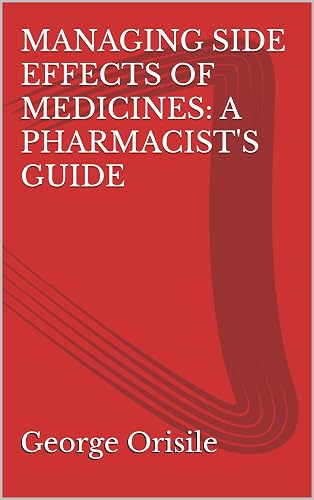
9. Managing Side Effects Guide
Best for: Patients looking for advice from a professional pharmacist’s perspective.
This guide is written from the viewpoint of a pharmacist, offering insights into how to handle the side effects of various medicines. It’s designed to provide practical, professional advice that you might not get in a standard reference. The listing emphasizes the pharmacist’s role in guiding your safety.
Strengths:
- Professional pharmacist perspective included.
- Practical advice on managing side effects.
- Focuses on safety and prevention.
- Offers insights beyond standard lists.
Trade-offs:
- Lacks the scope of a large encyclopedia.
- Focuses on management rather than identification.
You’ll rely on this guide to find tips on how to mitigate or handle symptoms as they arise. It asks you to take an active role in your own care by using professional strategies for comfort and safety. You’ll stop worrying about whether a minor side effect is something you can manage at home or if it requires a doctor’s visit.
| Best for | Why |
|---|---|
| Safety-conscious users | Professional advice on side effects. |
| Proactive patients | Offers tips for managing daily symptoms. |
| Pharmacist-guided | Trusted perspective on medicine safety. |
10. PDR Pocket Guide

Best for: People who need a small, portable reference for quick checks.
This pocket guide is designed for convenience, allowing you to carry essential drug information with you wherever you go. It’s a condensed version of larger references, making it ideal for checking side effects while on the move. The listing focuses on its utility as a portable, quick-reference tool.
Strengths:
- Compact and highly portable.
- Easy to carry in a bag.
- Quick access to drug information.
- Seventh edition updates current data.
Trade-offs:
- Small size limits total information volume.
- Harder to read than full-sized books.
Living with this guide means keeping it with you when you go to the pharmacy or a doctor’s appointment. It asks you to prioritize portability over depth, meaning you might need a larger book for more detailed questions. You’ll stop worrying about needing to look up information later, as you can check it instantly.
| Best for | Why |
|---|---|
| Travelers | Small size fits easily in pockets. |
| On-the-go users | Quick reference for pharmacy visits. |
| Quick check seekers | Provides essential data in seconds. |
Side by Side
The following table helps you compare these resources by their primary focus and intended use, allowing you to choose the best tool for your specific health management needs.
How to Judge HCTZ Side Effects
Scope of Information
The scope determines whether you’re buying a general encyclopedia or a specialized guide. A general guide is best if you take many different types of medications for various conditions. However, if you’re strictly managing one condition, such as hypertension, a specialized guide will often provide more context on how your lifestyle and medication work together. You can confirm the scope by checking the table of contents or the introduction to see if it covers a broad range of drug classes or focuses on a single therapeutic area.
Clarity of Presentation
Medical information is often dense and difficult to parse. Look for books that use clear, non-technical language or those that use visual aids like diagrams and charts. A good guide should explain side effects in a way that feels actionable, not just a list of scary possibilities. If you’re a visual learner, prioritize guides that use flowcharts or color-coded sections to help you find information quickly. You can confirm this by flipping through the pages to see if the layout looks readable and if the text is broken up into manageable chunks.
Practical Management Tools
If you struggle to remember symptoms or track how a drug affects you, a guide that includes a workbook or a tracking log is invaluable. This allows you to bring concrete data to your doctor, which can make your appointments much more efficient.
Updated Content
Medicine is a field that changes rapidly, and new information about side effects is discovered regularly. Always check the edition or publication date of the book you’re considering. An outdated guide may provide information that is no longer accurate or may miss new warnings about common drugs. If you cannot find a date, choose a more recent publication to ensure you have the most current medical data.
Frequently Asked Questions
Does this guide tell me if a specific side effect is dangerous?
These books help you identify if a symptom is a known reaction to your medication. They provide general information based on clinical data to support your medical journey. Always consult a medical professional for severe or life-threatening symptoms.
What does the first week with a new medication look like?
Monitor your body for changes like dizziness or fatigue during the first week of a new medication. Keeping a tracker helps you document these physical changes for your doctor. Note that most side effects are mild, but documentation improves communication during dosage adjustments.
What will these guides not do for me?
These guides provide general clinical data rather than personalized medical advice. They cannot predict your specific reaction or account for unique health conditions. Always consult your physician before making any decisions about stopping your medication.
Is the simplest pick here enough for me?
A portable pocket guide or basic tracker is often sufficient if you only need to manage simple information. These tools are less bulky than large reference manuals. Choose a focused tool that you are likely to use consistently for your daily needs.
Conclusion
You don’t have to manage these changes alone. Keep a simple notebook by your bed to jot down how you feel each morning, and bring it to your next checkup. It’s a great way to help your doctor see the full picture, so you’ll feel more confident about your care.