
Disclosure: This article is for educational purposes only and is not medical advice. It contains affiliate links — as an Amazon Associate I earn from qualifying purchases at no extra cost to you.
Medical note: This article is for education only and is not medical advice. Talk to a doctor or pharmacist before starting a supplement or changing any treatment, especially if you are pregnant, breastfeeding, take prescription medicines or have a health condition. Individual results vary.
Disclosure: VitalEdgeTribe may earn a commission if you buy through links on this page, at no extra cost to you. Commissions never decide our rankings.
Table of Contents
- Introduction
- What Are Peptides and Why They Matter in Nutrition
- Biological Mechanisms of Peptides in Metabolism
- Peptides and Appetite, Digestion, and Gut Health
- Sources, Forms, and Bioavailability of Nutritional Peptides
- Safety, Regulation, and Considerations for Peptide Use
- Clinical Evidence and Practical Applications
- FAQ
- Conclusion
Introduction
Peptides are short chains of amino acids that influence how your body digests, absorbs, and uses nutrients. They act as signals that tune digestion, metabolism, and tissue repair, helping explain why some foods and supplements affect energy, appetite, and overall health.
We take a practical view of peptides. The focus is on mechanisms that matter in everyday health, not hype. This section connects peptide activity to real outcomes in gut function, metabolism, and tissue maintenance.
Key ideas to keep in mind include:
- Peptides can modulate hormone activity, inflammation, and immune defense.
- Short chains of amino acids may influence gut health and nutrient absorption.
- Not all peptide claims are proven; evidence varies by peptide type and context.
Related Innovation
What Are Peptides and Why They Matter in Nutrition
Peptides and nutrition
Peptides are short chains of amino acids that form the building blocks of proteins and act as signaling molecules that influence how your body uses nutrients beyond calories or essential amino acids.
In nutrition, peptides influence digestion, absorption, and metabolic signaling. They help coordinate responses to meals and dietary patterns over time, affecting appetite, blood sugar control, and tissue health.
Key roles include:
- Modulating hormone activity to regulate appetite, glucose control, and tissue repair.
- Supporting immune defense and tissue remodeling through targeted receptor interactions.
- Aiding gut function by influencing digestion and barrier integrity, impacting nutrient uptake.
Short peptide chains can offer targeted signaling with potentially rapid effects at the tissue level, complementing the actions of larger proteins and hormones in shaping metabolic responses after meals.
Viewed practically, peptides function as intermediate regulators that interact with dietary components, exercise cues, and aging processes to modulate how your body processes food and maintains tissue health.
Biological Mechanisms of Peptides in Metabolism
Impact of Bioactive Peptides on Muscle and Skeletal Health
Bioactive peptides support muscle and bone health by signaling pathways that govern protein turnover, tissue repair, and connective tissue remodeling. These signals respond to training load and nutrient status to optimize adaptation.
In muscle, certain peptides can enhance amino acid uptake and activate anabolic pathways after exercise, contributing to improved recovery and remodeling when combined with adequate protein intake and progressive loading.
Bone and connective tissue benefit from cues that regulate collagen turnover and matrix integrity, helping preserve bone quality and joint resilience with aging or repetitive strain.
- Growth factor-like effects: Some peptides promote signaling that supports maintenance and repair of muscle tissue.
- Collagen synthesis: Peptide signals can influence collagen production, aiding tendon and ligament resilience.
- Inflammation modulation: Local anti inflammatory effects may support recovery and reduce soreness after training.
Practical takeaway: align peptide activity with resistance training, ensure sufficient protein, and adjust loading to leverage signaling for muscle and skeletal health.
Related Innovation
Peptides and Appetite, Digestion, and Gut Health
Peptides influence how hunger is perceived and how the body uses the food you eat. These short chains of amino acids act as signaling molecules, conveying information to the brain about gut contents and estimated energy delivery from a meal.
In the digestive tract, peptide signals interact with receptors on the gut lining to affect digestion, absorption, and the integrity of the barrier that contains gut contents. This can influence the rate at which nutrients enter the bloodstream and how the gut responds to a mixed meal.
- Postprandial signaling: Peptides can modulate gastric emptying and intestinal transit, influencing postmeal blood glucose responses.
- Barrier function: Certain peptide interactions support mucosal health and may impact nutrient uptake in the small intestine.
- Hormonal cross-talk: Peptide activity interfaces with gut hormones that regulate satiety and energy intake, creating feedback after meals.
Clinical observations show that peptide profiles can influence appetite and glycemic responses in ways that complement established dietary strategies. Practically, this may guide meal composition and timing to align with peptide signals and support energy balance over time.
Key considerations include bioavailability during digestion, the role of the gut microbiota, and individual metabolic status. Effects vary among individuals, but steady peptide intake across meals may clarify patterns in hunger and nutrient absorption.
Sources, Forms, and Bioavailability of Nutritional Peptides
Nutritional peptides sources and forms
Nutritional peptides derive from dairy, fish, and plant proteins. Their sequences influence how they traverse the gut and interact with tissue receptors. Processing, sourcing, and preparation shape peptide profiles and their bioactive potential.
Forms and absorption
Peptides occur as isolated chains from enzymatic digestion or as preformed fragments in foods or supplements designed for targeted effects. The form determines where absorption happens and how quickly signaling pathways respond after a meal.
- Milk-derived peptides reflect casein and whey fractions that can remain intact through digestion due to protective matrices.
- Collagen-derived peptides tend to yield signaling fragments that modulate connective tissue metabolism.
- Plant-based peptides vary with cultivar and processing, affecting stability and intestinal uptake.
Bioavailability and practical considerations
Bioavailability depends on digestion, intestinal transport, and first-pass metabolism. Some peptides require intact mucosal transport to reach systemic circulation, while others act locally in the gut. Meal composition, microbiota, and enzyme activity shape how much bioactive peptide reaches targets.
To support diversity of peptide exposure, vary protein sources and processing methods that preserve peptide integrity. Real-world absorption differs from controlled settings, so tailor choices to individual goals and tolerances.
Safety, Regulation, and Considerations for Peptide Use
Safety and Oversight
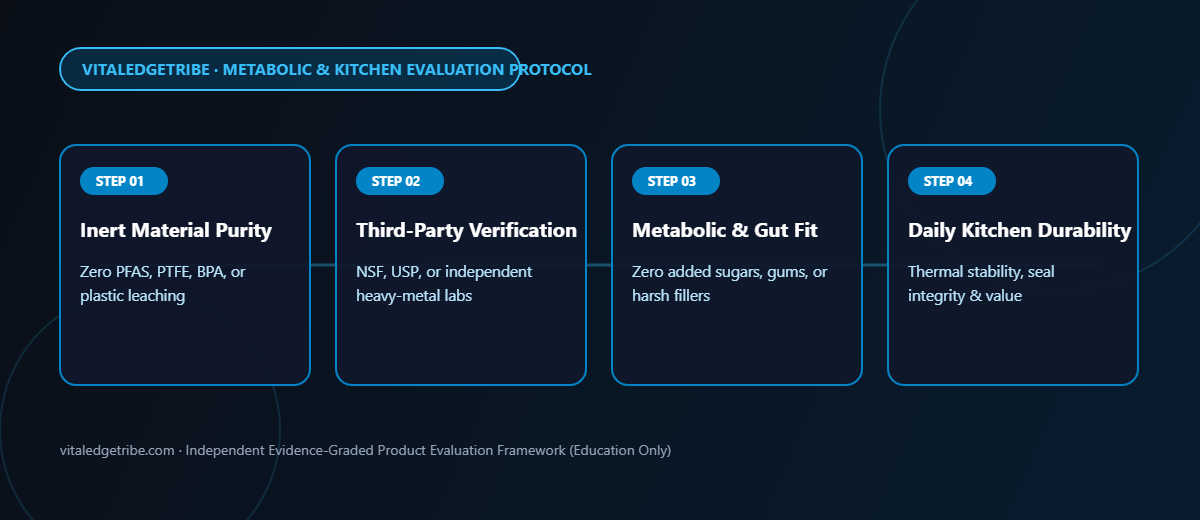
Peptides influence multiple bodily systems, and safety hinges on the source, purity, and the context of use. Evaluate product quality and manufacturing standards before starting a peptide routine.
Regulatory oversight varies by region. Some products are regulated as dietary supplements, others as drugs or cosmetic ingredients. This affects labeling, dosing guidance, and the credibility of health claims you should scrutinize.
Key safety considerations include potential immune reactions, interactions with medications, and the risk of unintended hormonal effects. If you have thyroid, metabolic, or autoimmune conditions, seek professional guidance before using peptides.
- Purity and contaminants: Look for third‑party testing and transparent ingredient lists.
- Dosing and timing: Inconsistent dosing can yield variable responses and adverse effects.
- Long‑term data gaps: Many peptides lack extended safety studies in diverse populations.
| Aspect | Practical Consideration |
|---|---|
| Regulatory status | Check local rules to determine whether a product is regulated as a supplement, a drug, or another category |
| Quality control | Prioritize products with third‑party testing and transparent sourcing |
| Medical supervision | Consult a clinician if you have chronic disease or are taking other therapies |
In practice, establish a clear health goal, review evidence with a clinician, monitor responses with objective measures, adjust as needed, and stop if adverse signs appear.
Clinical Evidence and Practical Applications
Clinical research over the past several years indicates that peptides can modulate metabolic and musculoskeletal health by influencing signaling pathways after meals. The emphasis is on how peptide profiles shape digestion, absorption, and tissue responses in real world contexts.
Key applications cluster around three domains:
- Metabolic signaling: certain peptides interact with gut hormones that regulate appetite and glucose handling, shaping insulin responses.
- Musculoskeletal support: collagen-derived peptides support connective tissue metabolism and may influence muscle protein turnover after activity.
- Inflammation modulation: specific peptide patterns can influence inflammatory processes that affect metabolic and musculoskeletal health.
Clinicians often tailor peptide use to meal timing, diversify peptide sources, and consider potential interactions with medications. Responses vary with individual digestion and microbiota, highlighting the value of personalized monitoring and objective outcome tracking.
| Clinical Focus | Practical Insight |
|---|---|
| Appetite control | Choose peptides supported by evidence of gut hormone engagement and observe post meal hunger cues |
| Musculoskeletal support | Pair collagen-derived peptides with progressive resistance training to support tissue remodeling signals |
| Inflammation | Monitor inflammatory markers and adjust peptide selection based on response |
Tools and Products That Help
Practical Tools & Further Reading: If you want to apply the concepts in this guide at home, these vetted tools fit the protocol:
- RENPHO Smart Digital Kitchen Food Scale: Gram-accurate stainless steel food scale for tracking daily protein targets, fiber intake, and meal portions. Check the current price on Amazon.
- NOW Supplements Whole Psyllium Husks Fiber: Viscous soluble prebiotic fiber to support healthy gastric emptying, post-meal glycemic stability, and gut regularity. Check the current price on Amazon.
- Vital Proteins Grass-Fed Collagen Peptides Powder: Unflavored hydrolyzed collagen peptides to pair with whole-food meals for connective tissue and protein support. Check the current price on Amazon.
As an Amazon Associate I earn from qualifying purchases. Education only, not medical advice.
FAQ
Peptides in nutrition are short chains of amino acids derived from proteins. These bioactive fragments can influence digestion, hormone activity, and tissue repair pathways after ingestion or absorption. They act by signaling specific receptors and modulating metabolic processes in the gut, liver, and elsewhere in the body.
Are all peptides safe to use? Safety depends on the source, purity, and context. Products vary in regulatory status and quality control. If you have chronic conditions or take other therapies, consult a clinician before use and choose products with transparent labeling and third‑party testing.
- Do peptides affect blood sugar? Some peptides influence gut hormones that modulate insulin release and glucose handling, but responses vary by individual and by peptide profile.
- Can peptides support gut health? Certain peptide profiles interact with intestinal receptors and may influence digestion and barrier function, yet real‑world effects differ between people.
- Will peptides replace medicine? In most cases they are not a substitute for proven therapies. Use them as an adjunct to evidence‑based care when appropriate.
What should I look for when choosing a peptide product? Prioritize purity, transparent sourcing, third‑party testing, and clear dosing guidance. Understand whether the product is classified as a supplement or a drug in your region, because labeling and claims change with regulatory status.
| Key concern | What to check |
|---|---|
| Quality | Independent testing, ingredient disclosure |
| Safety | Medical history review, potential interactions |
| Regulation | Understand regional rules and product category |
Conclusion
Peptides influence nutrition by shaping gut signaling, supporting tissue repair, and modulating metabolic pathways. Their effects vary with the peptide profile, how they are delivered, and individual biology, so responses can differ from person to person.
In practice, choose evidence backed options, set clear goals, and monitor outcomes. Pair peptide considerations with solid dietary patterns, regular physical activity, and appropriate medical oversight when needed.
- Choose peptide sources with clear quality control and dosing guidance.
- Understand that digestion, microbiota, and concurrent therapies can influence responses.
- Use peptides to complement proven strategies for metabolic and musculoskeletal health.
| Practical takeaway | Implementation tip |
|---|---|
| Gut signaling | Time peptide intake with meals to align with endogenous hormone release |
| Musculoskeletal support | Pair with resistance training to support tissue remodeling |
| Inflammation control | Monitor inflammatory markers and adjust peptide selection based on response |