Medical note: This article is for education only and is not medical advice. Talk to a doctor or pharmacist before starting a supplement or changing any treatment, especially if you are pregnant, breastfeeding, take prescription medicines or have a health condition. Individual results vary.
As an Amazon Associate, we earn from qualifying purchases. This post contains affiliate links – if you buy through them, we may earn a commission at no extra cost to you.
Maintaining side sleeping on the left side can improve circulation and support nocturnal blood pressure dipping. The Fanwer Positioning Wedge provides the structural support required to keep this posture all night long.
What Buyers Get Wrong
Buying the wrong version of it
However, these rarely provide the firm support needed to prevent you from rolling onto your back during the night. Always prioritize high-density foam or structured wedges that hold their shape. If the material feels like a standard bed pillow, it will likely fail to maintain the stable side-lying position required for your health goals.
The feature that sounds useful and isn’t
Many shoppers get excited by “cooling” fabrics or elaborate massage features, thinking these will improve sleep quality. While these additions are pleasant, they don’t help with the fundamental need for physical alignment. If your shoulder is hunched because your pillow lacks an arm tunnel, or your torso is angled poorly, no amount of cooling fabric will stop the numbness or discomfort. Focus on the structural design—like arm cutouts or firm wedge angles—rather than secondary features. A pillow that’s engineered for posture will always outperform one that’s simply designed for comfort without the necessary mechanical support.
The detail sellers leave out
Sellers often highlight the “orthopedic” nature of a pillow but fail to mention the specific height or density requirements for different body types. A pillow that works perfectly for a person with broad shoulders may be far too tall for someone with a smaller frame, leading to neck strain rather than relief. Check the dimensions carefully and look for listings that offer adjustable layers or multiple firmness options. If the seller doesn’t provide clear measurements for the loft or the arm channel depth, you’re taking a gamble on whether it will actually fit your body.
The compromise that gets returned within a week
The most common reason for returns is buying a “one-size-fits-all” solution that fails to adapt to your specific sleeping habits. If you sleep with your arms tucked under your head, a standard wedge will feel restrictive and uncomfortable. If you prefer to stretch out, a rigid cervical pillow might feel like a cage. Always match the product’s geometry to your own sleeping style. If you have to fight the pillow to get comfortable, you’ll naturally move away from the side-sleeping position during the night, undoing all the work you did to set yourself up correctly.
What Did Not Make the List
While building this shortlist, many products were set aside because they lacked sufficient detail regarding their structural integrity. We ignored listings that relied purely on generic marketing terms like “ergonomic” or “magic” without providing specific measurements or materials. We also excluded numerous near-duplicates that were essentially generic foam blocks with different brand names, as these offered no unique advantage for side sleepers. Listings that failed to explain how the product actually facilitates a stable side-sleeping position were discarded. Our goal was to find options that offer tangible support for the shoulder, arm, and torso, rather than simple comfort items that wouldn’t hold up to the demands of a full night of side-sleeping.
1. Fanwer Positioning Wedge Pillow
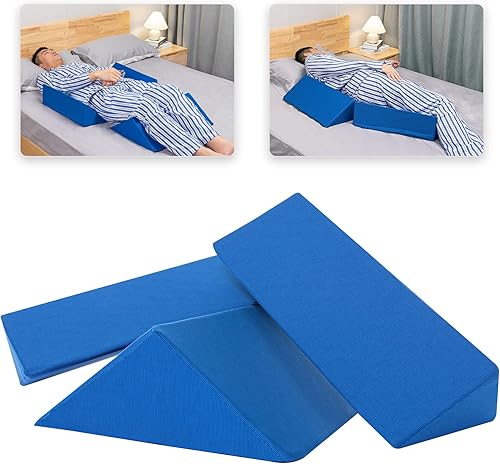
Avoids the trap of: buying the wrong version of it by providing a stable, firm platform.
This set includes three separate wedges with different angles, allowing you to combine them to create the exact support you need for your back or abdomen. Because it’s made of premium foam, it stays in place and doesn’t collapse, which helps you maintain your side position throughout the night. It’s especially useful for those who need to elevate their knees or require specific back support to prevent rolling.
This is a versatile choice for anyone who needs to customize their sleep setup, such as those recovering from surgery or needing strict positioning for medical reasons. However, it isn’t for the minimalist sleeper who wants a single, integrated pillow, as the three-piece design requires some initial setup to find the right configuration.
Pros:
- Three different angles for flexible support.
- Easy to wash cover included.
Cons:
- Requires configuration to find the right fit.
- Takes time to fully expand after unboxing.
2. Side Sleeper Arm Pillow

Avoids the trap of: the feature that sounds useful and isn’t by including a functional arm tunnel.
This pillow features an ergonomic arm tunnel that allows you to tuck your arm in without putting pressure on your shoulder. By removing the weight from your arm, it helps reduce the numbness that often plagues side sleepers. The high-density foam provides a firm base that keeps your neck aligned with your spine.
This model is perfect for those who struggle with shoulder pain or rotator cuff discomfort while side sleeping. It isn’t suitable for stomach sleepers, as the arm tunnel design is specifically engineered for the geometry of a side-sleeping posture.
Pros:
- Dedicated arm tunnel relieves shoulder pressure.
- Ergonomic design promotes neutral spinal alignment.
- Multi-functional for reading or relaxing.
Cons:
- Specific design limits use to side sleeping.
- Fixed height may not suit every neck size.
3. DeluxeComfortARM-Tun-01 Better Sleep Cloud Microbead Pillow

Avoids the trap of: the detail sellers leave out by using air-infused microbeads for contouring.
The unique construction of this pillow includes arm tunnels that let you slide your arm through the center or front. The microbeads inside mold to your body, providing a soft but supportive feel that adjusts to your movements.
This pillow is an excellent fit for those who prefer a softer, more moldable feel compared to firm memory foam. It isn’t for the person who requires a very rigid, high-loft pillow for neck stability, as the microbeads are designed for comfort and contouring rather than firm structural elevation.
Pros:
- Microbeads mold to your unique contours.
- Two arm tunnels provide multiple positioning options.
- Helps prevent arm numbness and tingling.
Cons:
- Lacks the firm support of memory foam.
4. BALAPET Cylinder Body Pillow
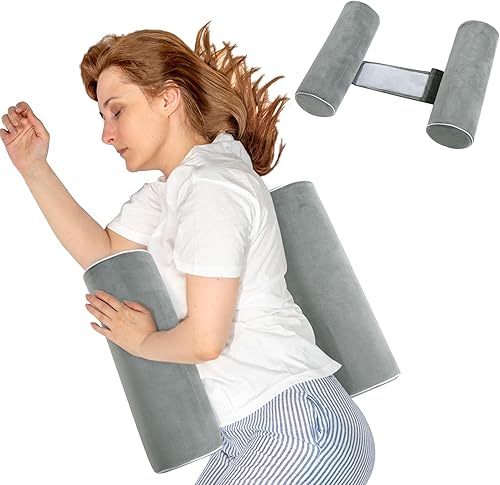
Avoids the trap of: the compromise that gets returned within a week by using an adjustable hook and loop system.
This roll pillow provides continuous support along your back or abdomen, which helps you stay locked into your side-sleeping position. Because it’s adjustable, you can ensure it fits your body thickness perfectly, preventing you from rolling over. The high-density memory foam insert provides a supportive barrier that feels comfortable against the skin.
This is a great tool for those who are training themselves to stay on their side for health reasons. It isn’t for the person with limited bed space, as the full-body length requires significant room to maneuver.
Pros:
- Adjustable hook and loop for a custom fit.
- High-density memory foam provides firm support.
- Can be separated into two smaller pillows.
Cons:
- Occupies significant space on the bed.
- Requires manual adjustment for the best fit.
5. BDEUS Cervical Contour Pillow

Avoids the trap of: buying the wrong version of it by offering two distinct sides for support.
The 2-in-1 design features a “Horn Side” for structured neck support and a “Roll Side” for a more traditional feel. The raised wings on the Horn Side are specifically designed to cradle your head and provide a dedicated space for your limbs, which helps keep your spine in a neutral position. It’s built by side sleepers for side sleepers, focusing on preventing shoulder hunching.
This pillow is ideal for those who are unsure whether they want a firm or soft support, as the reversible sides offer both. It isn’t for the person who wants a simple, static pillow, as the contouring is quite specific to side-sleeping and may feel unusual if you change positions frequently.
Pros:
- Multiple sides allow for instant comfort adjustment.
- Wings support the arm and neck effectively.
- Includes a generous trial period to ensure the pillow fits your specific sleep needs.
Cons:
- Specific contouring requires a consistent sleep position.
- Massage ribs may not be preferred by everyone.
6. Sleep Position Trainer Vest

Avoids the trap of: the compromise that gets returned within a week by using a physical deterrent to prevent back sleeping.
This vest uses a ball attachment to make it physically uncomfortable to roll onto your back, effectively forcing you to remain on your side. It’s lightweight and adjustable, making it easy to wear over your clothes. It’s a simple, mechanical way to train your body to maintain a specific sleep posture.
This is a highly effective tool for those who are serious about positional therapy for snoring or breathing issues. It isn’t for the person who wants a “passive” solution, as wearing a vest to bed takes some getting used to.
Pros:
- Physically prevents rolling onto your back.
- Lightweight and easy to wear at home.
- Adjustable fit for different body types.
Cons:
- Requires wearing a vest to bed.
- May take time to get used to the sensation.
7. JJ CARE Bed Wedges & Body Positioners

Avoids the trap of: the detail sellers leave out by providing a non-skid bottom for stability.
The R-shaped design of this wedge provides a solid, curved surface that supports your back or legs. It’s made of high-density foam that’s sturdy enough to hold your weight without sinking, which is crucial for maintaining a stable side-sleeping position. The included cover is breathable and easy to remove for cleaning.
This is a perfect companion for those who need medical-grade support for post-surgery recovery or long-term bed rest. It isn’t for the person who wants a soft, plush pillow, as the focus here is on firm, reliable positioning.
Pros:
- Non-skid bottom keeps the pillow in place.
- High-density foam provides reliable, firm support.
- Versatile use for legs, back, or abdomen.
Cons:
- Firm feel isn’t for everyone.
- Large size may be cumbersome for some beds.
8. HOMBYS Memory Foam Sleep Position Training Pillow

Avoids the trap of: the compromise that gets returned within a week by using an adjustable hook and loop fastener.
This half-moon bolster provides excellent support for your back or abdomen, helping to keep you in a stable side-sleeping position. It’s made of high-density memory foam that conforms to your body, providing comfort while you sleep. The pillow can be separated into individual smaller pieces, allowing you to use it for neck or knee support as well.
This is a great option for someone who wants a versatile support pillow that doesn’t feel like a medical device. It isn’t for the person who needs a very tall pillow, as the half-moon shape is relatively low-profile compared to full wedges.
Pros:
- Adjustable sizing fits most body types.
- Versatile design can be split into two.
- High-density foam offers consistent support.
Cons:
- Low profile may not suit every neck height.
- Requires manual adjustment for the best fit.
9. JZHLLA Height-Adjustable Side Sleeper Pillow(2″+3.5″)

Avoids the trap of: the detail sellers leave out by offering adjustable height layers.
This pillow features two layers—a 2-inch top and a 3.5-inch bottom—that allow you to customize the height to match your shoulder width. It also includes a dedicated channel that reduces pressure on your shoulder and limbs, helping to improve circulation. The mesh fabric surface is designed for breathability to keep you cool throughout the night.
This is a fantastic choice for anyone who has struggled with neck pain because their previous pillow was the wrong height. It isn’t for the person who wants a single-piece pillow, as the dual-layer system requires you to find your preferred height setting first.
Pros:
- Height is adjustable for a custom fit.
- Arm channel reduces shoulder and arm pressure.
- Breathable mesh fabric for added comfort.
Cons:
- Requires initial height adjustment.
- Multi-layer design may feel different than standard pillows.
10. Backpack for Side Sleep Posture – Inflatable Calma Air V3

Avoids the trap of: the feature that sounds useful and isn’t by focusing strictly on positional training.
This inflatable backpack clips onto your shirt to physically prevent you from rolling onto your back. It’s a minimalist solution for those who only need a gentle reminder to stay on their side. Because it’s inflatable, it’s easy to pack for travel or store when not in use.
This is ideal for the traveler who needs a portable way to maintain their side-sleeping habit. It isn’t for the person who needs actual physical support for their neck or shoulders, as this device only manages your sleeping position.
Pros:
- Extremely portable and lightweight.
- Simple to attach to any clothing.
- Effective for positional training.
Cons:
- Doesn’t provide head or neck support.
- Must be worn over clothing.
Before you order for left side sleeping circulation and blood pressure dipping
- Measure the distance from your neck to your shoulder to determine the loft you need.
- Check the dimensions of your bed to ensure the product won’t take up too much room.
- Confirm if you prefer a soft, moldable feel or a firm, structured support.
- Read the care instructions for the removable covers to ensure they fit your laundry routine.
Related guides
Frequently Asked Questions
Is the simplest one on this list enough?
The Calma Air V3 is ideal if your only goal is preventing back-sleeping. It effectively keeps you on your side through simple positioning. However, it lacks the structural arm tunnels or cervical support required to alleviate existing shoulder pain or numbness.
What if it turns out to be the wrong one?
Most listed products, like the BDEUS, include trial periods allowing for returns or exchanges. These trials typically last 100 nights, giving you ample time to test the loft and firmness. Ensure you keep the original packaging until you are certain the pillow meets your needs.
What gives out or runs out first?
The cover or zipper is usually the first component to show wear from frequent washing. The foam core itself is highly durable and designed to maintain its shape for years. Always follow the manufacturer’s specific care instructions to protect the integrity of the cover and the internal foam.
Which trap catches most people twice?
Avoid buying pillows based on brand names or vague orthopedic claims without checking specific dimensions. Always compare the product’s height and width measurements against your own body frame before purchasing. This ensures the design actually fits your physical size rather than relying on trial and error.
Closing
The biggest trap when trying to improve circulation and nocturnal blood pressure through side-sleeping is choosing a pillow that’s too soft to maintain your posture. You need a device that keeps your spine neutral and prevents you from rolling onto your back, such as the Fanwer Positioning Wedge. By selecting a product that offers firm support and proper arm alignment, you create the stable environment necessary for better rest. Start by measuring your shoulder width and comparing it against the loft of the pillows listed here to find your best match.