
Let me take you back to my college days, sitting in a stuffy seminar room, half-listening to a guy with a dazzling grin and even shinier compliments. I thought we were friends—until I noticed his interest faded the moment the conversation stopped serving him. Sound familiar? Most of us have, at some point, faced the confusing riddle of someone’s seemingly warm gestures hiding a cooler reality underneath. Turns out, there are subtle clues to spot, and I’ve become a reluctant expert at reading them (trials by fire, anyone?). In this post, I’ll lay out the quirky—and sometimes almost comically obvious—signs someone is just pretending to like you, and dig into what’s really driving this act. No psych jargon, just solid observations, a few twists, and the truth behind the mask.
1. Fleeting Eye Contact: When Their Gaze Says It All
Have you ever been in a conversation where you felt like the other person just wasn’t really “there” with you? One of the most telling body language cues for spotting fake relationships is fleeting or absent eye contact. It’s amazing how much someone’s gaze can reveal about their true feelings, even when their words sound friendly.
How Brief Eye Contact Hints at Discomfort or Disinterest
When someone genuinely enjoys your company, their eyes tend to linger on you a little longer. There’s a natural rhythm to the way they look at you, look away, and then return their gaze. But if you notice that someone’s eye contact is consistently brief, darting, or they avoid your eyes altogether, it could be a sign of insincerity. Research shows that fleeting eye contact often signals discomfort or emotional distance. It’s as if their mind is somewhere else, even if their smile says otherwise.
“The body never lies. If someone avoids your eyes, their mind might be elsewhere.” —Janine Driver
Why Fake Smiles Rarely Reach the Eyes: Decoding the ‘Smize’ Myth
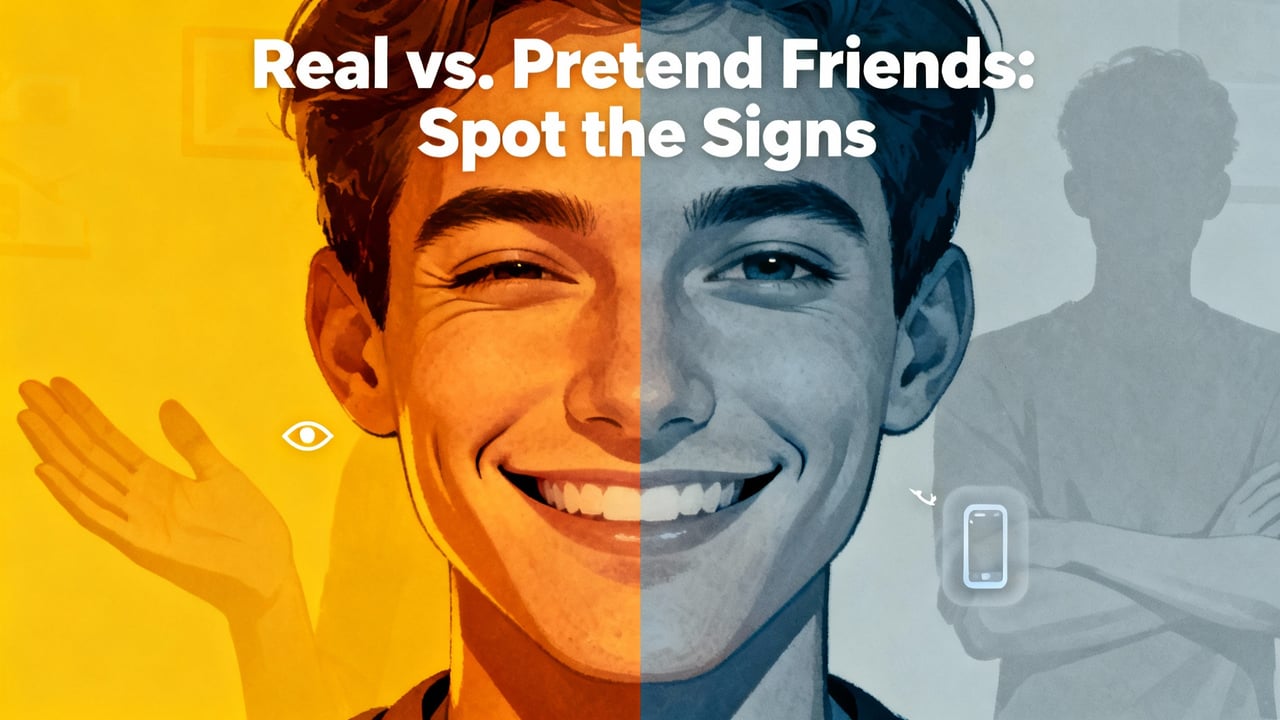
We’ve all heard about the “smize”—smiling with your eyes. It’s supposed to be the ultimate sign of genuine happiness. But here’s the thing: when someone is pretending to like you, their smile often stops at their lips. Their eyes stay flat, cold, or even bored. This is one of those classic body language cues that can help in spotting fake relationships. If the smile doesn’t light up their whole face, especially their eyes, it’s probably not real.
An Anecdote: The Team Lunch That Said It All
I’ll never forget a team lunch I attended a while back. Everyone was polite, and on the surface, it seemed like we were all friends. But I noticed one colleague who barely made eye contact with me. Whenever I spoke, she’d glance at her phone or look past me. Her posture was closed off—arms crossed, body angled away. Even though she laughed at my jokes, it felt forced. That lunch taught me that words can lie, but body language rarely does. Her brief eye contact and distracted attitude spoke volumes about her true feelings.
Body Language Quirks: Closed-Off Posture vs. Open Engagement
Eye contact isn’t the only clue. People who are pretending to be friendly often pair fleeting glances with closed-off body language. Think crossed arms, turned-away shoulders, or fidgeting. In contrast, genuine friends face you openly, lean in, and make you feel included. These subtle signals are easy to miss if you’re not paying attention, but they’re key to spotting fake relationships.
Why Persistent Phone-Glancing Is More Than Just ‘Busy-ness’
We all get distracted by our phones sometimes, but if someone is constantly checking their screen while you’re talking, it’s a red flag. This habit often signals disinterest or a desire to escape the interaction. It’s one of those signs of insincerity that’s easy to brush off as “being busy,” but it usually means their attention—and maybe their loyalty—is elsewhere.
Cultural Nuances: Not All Weak Eye Contact Is Insincerity
It’s important to remember that not everyone who avoids eye contact is being fake. Some people are naturally shy or nervous, especially in group settings or new relationships. Cultural background also plays a huge role—what’s considered polite eye contact in one culture might be seen as rude in another. So, while fleeting eye contact can be a sign of insincerity, it’s not the only factor to consider.
2. Over-the-Top Compliments—and Why They Feel Hollow
Let’s be honest: everyone loves a good compliment. But have you ever noticed when someone’s praise feels a little… off? I’ve learned that one of the classic fake friends behaviors is showering you with over-the-top compliments that just don’t land right. It’s like they’re reading from a script, not really seeing you. And if you’ve ever found yourself smiling politely while someone gushes about your “amazing” taste in, say, paperclips—well, you’re not alone. That’s a relationship red flag waving right in your face.
When Praise Feels More Like a Performance
Imagine this: You’re at your desk, and a coworker strolls by, stops, and says, “Wow, your choice of paperclips is just so stylish and inspiring!” You laugh, but inside you’re thinking, “Are they serious?” This kind of compliment is so out of context and exaggerated that it almost feels like a joke. But here’s the thing—ridiculous or irrelevant praise often signals the person isn’t really engaged. They’re just filling the air with words.
The Unnatural Frequency of Flattery
One of the biggest psychological cues of insincerity is the unnatural frequency of praise. Real friends don’t need to constantly tell you how great you are; their appreciation shows up in meaningful moments. But fake friends? They’ll compliment your shoes, your coffee mug, your email signature—anything to keep up appearances. It’s not about you; it’s about them covering up a lack of genuine interest or connection.
- Frequent, forced flattery can be a cover-up for not really caring.
- Compliments without context or emotional resonance often feel robotic or obligatory.
- Half-hearted laughter at unfunny jokes is another code for “I’m just being polite.”
Why Do People Do This?
So what drives someone to lay it on so thick? Sometimes, it’s about maintaining appearances or currying favor. Maybe they want to be liked, or they’re hoping you’ll return the flattery. In some cases, it’s a way to avoid conflict or mask their true feelings. The motivation is rarely about genuine appreciation—it’s about their own psychological needs.
The Fine Line Between Charm and Charm Offensive
There’s a difference between someone who’s genuinely charming and someone who’s on a charm offensive. Real charm feels warm and authentic; it’s specific, timely, and makes you feel seen. The charm offensive, on the other hand, is all about quantity over quality. If you’re getting a steady stream of generic, context-less praise, it’s worth asking yourself: Is this person really invested in our friendship, or just playing a part?
“If the compliments don’t feel earned, trust your instincts. Real friends praise with purpose.” —Vanessa Van Edwards
In my experience, the best way to spot this relationship red flag is to pay attention to how the compliments make you feel. Do they feel earned, or just empty? Are they specific, or could they be said to anyone? If you find yourself rolling your eyes at yet another “amazing” comment about your stapler, it might be time to question the sincerity behind those words.
3. Consistent Absence When You Need Them Most
We all know that one person who’s the life of the group chat—sending endless emoji-filled DMs, reacting to every story, and always ready with a witty comment. But when things get tough, and you actually need a friend, they suddenly vanish. This disappearing act is one of the most glaring insincere friendship warning signs I’ve ever experienced, and it’s something I’ve learned to spot over the years.
The Disappearing Act: When Support Goes Missing
Let’s be honest—everyone loves to be around when times are easy and fun. But the real test of any friendship is what happens when you’re struggling. Fake friends behaviors often include being conveniently unavailable during your lowest points. They’ll pop up when it suits them, maybe to share their own news or to ask for a favor, but when you reach out for support, you’re met with radio silence or a string of excuses.
Here’s a scenario from my own life: When I moved apartments last year, I sent out a group message asking for help. Out of all the people I considered friends, only two showed up. The rest? Suddenly busy, out of town, or “just swamped.” It stung, but it was also eye-opening. The ones who kept making excuses were the same people who were always the first to tag me in memes or invite me to parties. It was a classic example of trust issues in relationships—how can you trust someone who’s only present when it’s convenient?
Countless DMs vs. Real Support
It’s easy to mistake digital interaction for real friendship. I’ve had people flood my inbox with messages, likes, and comments, but when I’ve needed advice or a listening ear, those same people were nowhere to be found. This contrast is a huge red flag. As Brené Brown wisely said:
'Friends may show their love with words, but it's their actions in your worst moments that tell the real story.' —Brené Brown
The Psychology Behind the Absence
So, why do some people act this way? The motivation often boils down to self-interest over mutual support. For some, being friendly is a way to maintain social standing, gain favors, or simply avoid conflict. They want the perks of friendship without the responsibilities. Psychologically, these individuals may crave acceptance or validation, but aren’t willing to invest emotionally when it matters most.
Testing the Waters: The Authenticity Litmus Test
If you’re unsure about someone’s sincerity, try asking for help with something small but meaningful. Their response can be very telling. Real friends might not always be able to drop everything, but they’ll make an effort, check in, or offer support in some way. Fake friends behaviors usually involve dodging requests, making vague promises, or simply ghosting you.
Why Reciprocal Support Matters More Than Likes
At the end of the day, reciprocal support is what separates genuine friendship from pretend friendliness. Social media likes and funny DMs are nice, but they don’t build trust or deepen relationships. When someone is consistently absent during your tough times, it’s a clear sign to reevaluate that connection. Remember, reliability and support during hardship are the true markers of real friendship—and the ultimate antidote to trust issues in relationships.
4. Conversations That Circle Back to Them—Every Time
Ever noticed how some people have a magical way of making every conversation about themselves? No matter what you share—good news, bad news, or just a funny story—they somehow redirect the spotlight right back to their own lives. If this sounds familiar, you might be witnessing one of the classic emotional manipulation signs and a major relationship red flag.
When Your Wins Become Their Springboard
Let me paint a picture: I remember telling a friend about a small promotion I received at work. I was excited, hoping to share the moment. Before I could finish, she jumped in with, “Oh, that’s great! Actually, I just got offered a job at a top firm, and the salary is double what I make now!” Suddenly, my news felt tiny. It wasn’t the first time, either. Every time I shared something personal, the conversation would pivot—almost like my experiences were just warm-ups for her main act.
'If your joy is always a springboard for their stories, it might be time to check the friendship’s foundation.' —Adam Grant
Spotting Fake Friends Behaviors: The Conversational Hijack
This pattern isn’t just annoying—it’s a sign of insincerity. Fake friends behaviors often include steering discussions toward their own achievements, struggles, or news, rather than connecting with what you’re experiencing. If you find yourself feeling like an audience member in your own friendship, it’s time to pay attention.
- Every story circles back to them: No matter the topic, they find a way to make it about their life.
- Lack of follow-up questions: They rarely ask about your feelings or thoughts, except as a segue to their own.
- One-upping: Your good news is always matched (or outdone) by theirs.
- Spotlight stealing: Even your struggles become a backdrop for their bigger problems.
Why Do They Do It? The Psychology Behind the Pattern
People who constantly redirect conversations to themselves often lack genuine interest in others. Psychologists suggest this behavior is driven by a deep need for validation, ego-boosting, or even social dominance. Insecure individuals may use your stories as a launchpad to reinforce their own worth or status. It’s less about connecting and more about controlling the narrative.
Imagine a Talk Show Where Every Guest Is the Host
Picture this: You’re on a talk show, but every time you try to speak, the host interrupts to share their own anecdotes. That’s what it feels like to be friends with someone who always circles the conversation back to themselves. You’re not really a guest—you’re just part of the audience, there to applaud their stories.
How to Recognize Conversational Hijacking—and Set Boundaries
Recognizing this relationship red flag is the first step. If you notice your conversations are consistently hijacked, try these polite boundary-setting strategies:
- Redirect gently: “I’d love to finish what I was saying—can I share my story first?”
- Ask for reciprocity: “I’m really interested in your news, but could we talk about mine for a minute?”
- Limit sharing: If they never reciprocate, consider sharing less personal information.
Self-centeredness is a telltale sign of an insincere relationship. If every discussion ends up focused on their world, it might be time to reevaluate the friendship’s foundation.
5. Indecisive Plans and Serial Flakiness
We all know that one friend—the master of “let’s hang out soon!” who never actually follows through. You might see their name pop up in the group chat, chiming in with a cheery emoji or a vague “I’m down!” But when it comes to actually making plans, they’re nowhere to be found. It’s like they’re the ghost in the group chat: always present, but never materializing in real life. If you’ve ever wondered whether this is just bad luck or a relationship red flag, you’re not alone.
Spotting Fake Relationships: The Serial Flake
Let’s break down some classic behaviors that signal insincerity:
- Serial cancellations: They agree to meet up, but something “comes up” at the last minute—every single time.
- Vague plans: They’ll say, “Let’s do something soon!” but never suggest a date, time, or place.
- Generic promises: You hear, “We should totally catch up!” but there’s zero follow-through.
- Last-minute bails: They cancel just hours before, often with a flimsy excuse.
These patterns aren’t just annoying—they’re classic relationship red flags. When someone is consistently indecisive or flaky, it’s usually a sign of low emotional investment. In other words, they’re not prioritizing the relationship, and their actions speak louder than their words.
Why Do People Act This Way?
It’s easy to take serial flakiness personally, but often, it’s more about the other person’s psychological needs and fears. Some people genuinely struggle with commitment—not just in romantic relationships, but socially too. Making plans and sticking to them requires a certain level of vulnerability and investment. For those with trust issues in relationships, even casual friendships can feel risky.
There are a few common motivations behind this behavior:
- Fear of missing out (FOMO): They don’t want to commit in case something “better” comes along.
- Desire for social approval: They want to be liked, so they say yes to everything, but can’t deliver.
- Conflict avoidance: They’re afraid to say no, so they keep things vague and hope you’ll forget.
- Low regard for the relationship: Simply put, you’re not a priority.
Whatever the reason, chronic indecisiveness and flakiness are strong indicators that you might be dealing with a fake relationship. If someone truly values your time and company, they’ll make an effort to show up—literally and figuratively.
The Erosion of Trust
As Shasta Nelson wisely puts it:
“Consistency is the currency of trust. Without it, relationships go bankrupt.”
When someone repeatedly cancels, bails, or keeps things vague, it chips away at the foundation of trust. Over time, you start to question their sincerity and your own importance in their life. This isn’t just about missed coffee dates—it’s about the subtle signals that reveal true priorities.
If you find yourself making all the effort, or constantly waiting for someone to commit, it’s worth asking: Are you investing in a genuine connection, or just chasing after a ghost in the group chat? Spotting these patterns early can save you from deeper trust issues in relationships down the line.
6. The Mask Slips: Accidental Honesty and Microexpressions
We’ve all been there—chatting with someone who’s all smiles and nods, but something just feels off. Maybe it’s a sigh that escapes when they think you’re not listening, a quick roll of the eyes, or that whispered “ugh” as you turn away. These little slips are what I call “accidental honesty”—moments when the mask of pretend friendliness cracks, and the truth peeks through. As Paul Ekman, a pioneer in the study of emotions, famously said:
'Listen to the little leaks—truth always finds a way out.' —Paul Ekman
Spotting the Psychological Cues of Pretending
When someone is pretending to like you, their real feelings often leak out in small, unguarded moments. These psychological cues of pretending can be subtle, but they’re usually there if you know what to look for:
- Microexpression signals: These are brief flashes of true emotion—like a split-second frown or a tightening of the lips—that happen before the person regains control of their face.
- Contradictory body language: Their words might be friendly, but their posture is closed off, or their tone is flat.
- Accidental honesty: Sighs, eye rolls, or muttered comments when they think you’re not paying attention.
One time, after a long team meeting, I overheard a colleague venting about me to another coworker. It stung, but it was also a moment of clarity. Their polite smiles in meetings suddenly made sense—they were just part of the social script, not genuine warmth. That accidental honesty, as painful as it was, gave me the insight I needed to read the situation more accurately.
What Are Microexpressions, and How Can You Spot Them?
Microexpressions are those lightning-fast facial expressions that reveal a person’s true feelings before they can mask them. For example, someone might flash a look of annoyance or contempt for just a fraction of a second before smiling. These signals are hard to fake and even harder to suppress, making them some of the most reliable psychological cues pretending is happening.
- Look for: Brief flashes of anger, disgust, or sadness that don’t match the conversation.
- Watch for: Incongruent body language—like nodding “yes” while their face says “no.”
Why Do These Slips Happen?
Even the best social actors can’t keep up the act forever. Accidental honesty and microexpression signals often surface due to:
- Frustration: When someone feels trapped in a conversation or relationship, their patience wears thin, and true feelings slip out.
- Lack of connection: If there’s no real bond, it’s tough to maintain the illusion of warmth.
- Social fatigue: Pretending is exhausting. Eventually, the effort shows in their tone, posture, or fleeting expressions.
Turning Painful Moments into Growth
It’s never fun to catch someone’s accidental honesty, but these moments are valuable. They give us a chance to reflect on our relationships and our own emotional intelligence. Sometimes, the best thing we can do is pay attention to these microexpression signals and ask ourselves what they’re telling us—about others, and about ourselves.
7. Digging Deeper: Why People Pretend (And What We Can Do)
Let’s be honest—most of us have, at some point, faked a smile or nodded along in a conversation we weren’t truly invested in. But why do people fake liking you? Understanding the “why” behind pretend friendliness is key to building authentic relationships and boosting our emotional intelligence.
Common Motivations: More Than Meets the Eye
People pretend for a variety of reasons, and not all of them are malicious. Sometimes, it’s about social convenience—it’s easier to smile and nod than to confront awkwardness. Other times, it’s fear of confrontation: we don’t want to hurt someone’s feelings, or we’re worried about the fallout of being honest. There’s also the deep-rooted desire to belong. As Brené Brown puts it:
“We are hardwired for connection, but we often settle for imitation out of fear.”
And let’s not forget the pursuit of advantage. Some people fake friendliness to get ahead—whether it’s at work, in social circles, or even online. These motivations are driven by psychological needs: acceptance, safety, and sometimes, personal gain.
Wild Card Scenario: If Emotions Were Traffic Lights
Imagine if everyone wore emotion-traffic lights on their foreheads—green for genuine, red for faking. Would relationships be chaos or clarity? On one hand, we’d avoid a lot of confusion and wasted energy. On the other, we might lose the little white lies that keep social situations smooth. The truth is, a world without any pretend friendliness might be a bit too raw for comfort. But it does make you think: how much of our daily interaction is truly authentic?
Self-Reflection: When Have You Faked Liking Someone?
I’ll admit it—I’ve faked liking someone before. Maybe it was a coworker I didn’t click with, or a friend-of-a-friend at a party. Usually, I did it to keep the peace or avoid drama. If I’m honest, sometimes I just didn’t want to be the “bad guy.” Reflecting on those moments helps me understand that pretending is often about self-protection or group harmony, not just deception.
Steps to Tease Out Authenticity
If you want to move toward more authentic relationships, here are a few steps I’ve found helpful:
- Ask clear questions: Don’t be afraid to check in with people about how they feel. Sometimes, directness opens the door to honesty.
- Express your feelings: Share your own thoughts and emotions. Vulnerability can encourage others to drop their guard.
- Give space for honesty: Let people know it’s okay to be real—even if it’s uncomfortable. Authenticity grows in safe spaces.
Turning Insight into Action
Spotting fake friendliness isn’t about dumping every friend who seems insincere. Instead, use your emotional intelligence to nurture genuine connections. Communicate directly, set boundaries, and focus on the people who show up authentically. Remember, awareness is the path to real connection. When we understand the reasons behind pretend friendliness, we can respond with empathy—and build relationships that are real, not just polite.
Conclusion: Beyond the Façade—Building Connections That Last
As we pull back the curtain on hidden smiles and subtle signals, it’s clear that spotting fake relationships is both a science and an art. Over the years, I’ve learned that recognizing insincerity in friendships isn’t just about memorizing a checklist of behaviors. It’s about tuning into the less visible cues—those awkward pauses, forced laughs, or the way someone’s eyes dart away when you share something personal. But it’s also about understanding the motivations behind these actions. Sometimes, people pretend to like us out of insecurity, a desire to fit in, or even a simple fear of confrontation. The psychology behind pretend friendliness is complex, and it’s rarely as black-and-white as we’d like it to be.
Let me be honest: my personal attempts at spotting fake relationships have been a mix of hits and hilarious misses. I’ve misread politeness for genuine interest and, embarrassingly, once accused a truly kind person of being “too nice to be real.” (Spoiler: they’re still my friend.) What I’ve learned is that emotional intelligence—really paying attention to both what’s said and unsaid—helps us navigate these murky waters. It’s about asking yourself: Does this person show up when it matters? Do their words match their actions? Are they interested in my life, or just waiting for their turn to talk?
But here’s the twist: embracing imperfection, both in ourselves and others, is the key to building authentic relationships. We all have moments where we put on a social mask, whether it’s to avoid conflict or simply because we’re having a rough day. Expecting flawless honesty from everyone (including ourselves) is unrealistic. Sometimes, a friendship that starts off with a bit of pretense can grow into something real—if both people are willing to be honest and vulnerable over time. I’ve seen “fake” friends become true confidants once we dropped the act and let our guard down. As Esther Perel wisely said,
'True friends are the mirrors in which we see our best and worst selves, unfiltered.'
So, how do we move beyond the façade? It starts with self-awareness. When we develop our own emotional intelligence, we get better at spotting fake relationships without becoming cynical. We learn to trust our intuition, but also to leave room for surprises. Not every awkward interaction is a sign of insincerity; sometimes, it’s just nerves or a bad day. And not every “fake” friend is doomed to stay that way—people change, and so do their motives.
My final thought: listen to your gut, but don’t close yourself off. Authentic relationships are built on patience, honesty, and a willingness to see people as they are—flaws and all. If you sense someone is pretending, approach it with curiosity rather than judgment. Sometimes, a little honesty can transform a surface-level connection into a lasting bond. And sometimes, it’s okay to let go and make space for friendships that truly nourish you.
In the end, building connections that last isn’t about perfection—it’s about showing up, staying open, and letting realness lead the way.