
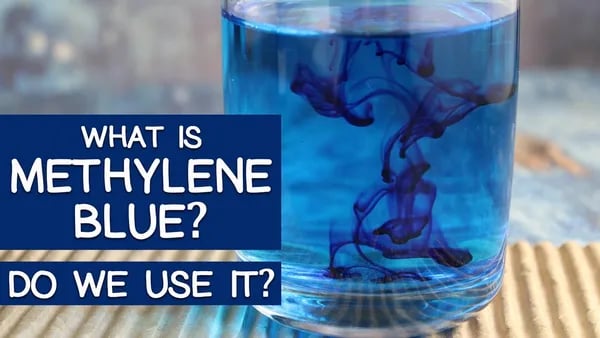



Ever stumbled upon those viral videos showing people with blue-stained tongues and wondered, 'What's the deal with Methylene Blue?' I was intrigued when I first heard about it in the biohacking circles—advertised as a miracle nootropic to supercharge your mitochondria and mood. Yet, beneath this vibrant blue hue lies a chemical with a century-old history as a textile dye and a pharmaceutical agent. Let me walk you through the colorful saga, purported perks, potential pitfalls, and whether you should consider adding this supplement to your regimen.
From Coal Tar Dye to Modern Medicine: The Unexpected Origins of Methylene Blue
When you hear about the latest nootropic or biohacking trend, you probably don’t expect it to have roots in the industrial revolution. Yet, that’s exactly the story behind Methylene Blue. Known scientifically as Methylthioninium chloride, this compound has taken the biohacking world by storm, with claims of boosting mitochondrial function and mood. But before it became a hot topic for longevity enthusiasts, Methylene Blue’s journey began in a very different place: the world of synthetic dyes.
A Synthetic Dye Born from Coal Tar
Methylene Blue was first synthesized in 1876 by German chemist Heinrich Caro. Its origins are far from natural—Methylene Blue is not a natural product but a lab-produced chemical dye. The process starts with dimethylaniline, a derivative of aniline, which was initially sourced from coal tar. Coal tar, a thick black liquid byproduct of coal processing, was a key ingredient in the early days of the chemical industry. The creation of Methylene Blue marked a milestone in the development of synthetic dyes, opening the door to a new era in both industry and science.
From Textiles to Medical Marvel
Originally, Methylene Blue was used to dye textiles. There are persistent rumors that it was once used to color blue jeans, but historical records do not confirm this. What is certain is that its vivid blue hue quickly found a place in laboratories and hospitals. For over a century, Methylene Blue has been used in medicine—first as a stain for viewing cells under a microscope, and later as a surgical dye to help doctors identify tissues during procedures.
Methylene Blue FDA Approval and Medical Uses
The real turning point for Methylene Blue came when its therapeutic benefits were discovered. In the early 20th century, it was used to treat malaria and urinary tract infections. Its most significant medical role, however, is in treating a rare blood disorder called methemoglobinemia. In this condition, the blood cannot carry oxygen efficiently, leading to serious health risks. Methylene Blue acts as a chemical antidote, restoring the blood’s ability to transport oxygen. This use is so vital that the FDA approved Methylene Blue under the brand name ProvayBlue specifically for methemoglobinemia. It is also listed on the World Health Organization’s (WHO) essential medicines list, highlighting its enduring importance in modern medicine.
Beyond the Basics: Other Medical Roles
Over the decades, Methylene Blue has been employed in a variety of medical scenarios, including as an antidote for carbon monoxide and cyanide poisoning. It’s also been used to treat certain infections and as a diagnostic tool in surgeries. Notably, in clinical settings, it is typically administered via intravenous injection, not taken orally or topically.
Methylene Blue is not a natural product but a lab-produced chemical dye.
From its origins as a coal tar dye to its place on the WHO essential medicines list, Methylene Blue’s history is a testament to the unexpected ways industrial chemistry can shape modern healthcare. Its journey from textile factories to hospital pharmacies is a fascinating example of scientific repurposing, blending myth, medicine, and innovation.
The Science Behind Methylene Blue’s Cognitive and Mood Boosting Claims
If you’re exploring Methylene Blue for cognitive enhancement or mood improvement, understanding the science behind its effects is essential. This synthesized compound has gained popularity in the biohacking community, often called a “super supplement” for its unique impact on brain function and emotional well-being. Let’s break down how Methylene Blue works and why it’s being considered for these benefits.
Methylene Blue as a Redox Agent: Powering Your Mitochondria
The core of Methylene Blue’s reported benefits lies in its role as a redox agent. Redox stands for reduction-oxidation, a type of chemical reaction that changes the oxidative state of molecules within your cells. In simple terms, Methylene Blue can both receive and donate electrons. This dynamic property allows it to interact directly with the mitochondrial electron transport chain—the process that fuels your body’s energy production.
Mitochondria, often called the “powerhouse of the cell,” are responsible for creating ATP, the energy currency your brain and body use for every function. By supporting the electron transport chain, Methylene Blue may enhance ATP production, potentially boosting overall brain energy and function. This mechanism is at the heart of its reputation for cognitive enhancement.
Crossing the Blood-Brain Barrier: The Nootropic Edge
One standout feature of Methylene Blue is its ability to cross the blood-brain barrier. This is a crucial point for any compound claiming nootropic (brain-boosting) effects. Once in the brain, Methylene Blue can stimulate mitochondrial energy production in neurons, which is believed to support sharper focus, improved memory, and enhanced mental clarity. Some users report a noticeable “limitless” feeling shortly after intake, which has led to its nickname “Blue Meth” in biohacking circles.
Neuroprotection and Anti-Aging Potential
Preliminary research suggests that Methylene Blue may act as a neuroprotective agent, especially in the context of age-related cognitive decline. By maintaining mitochondrial health and reducing oxidative stress, it could help preserve memory and cognitive function as you age. These findings are still early, but they provide a plausible mechanism for the reported anti-aging and brain-boosting benefits.
Methylene Blue and Mood Improvement: The MAOI Connection
Another key aspect of Methylene Blue benefits is its influence on mood. Methylene Blue functions as a monoamine oxidase inhibitor (MAOI) at low doses. This means it can potentially increase levels of important neurotransmitters like serotonin, dopamine, and norepinephrine—the chemicals responsible for mood regulation, motivation, and emotional balance.
Methylene Blue influences mitochondrial energy and neurotransmitter levels responsible for mood.
This dual action—energizing brain cells and elevating neurotransmitters—may explain why some users report reduced anxiety, improved mood, and a greater sense of well-being. However, because MAOIs can interact with certain medications and foods, caution is advised when considering Methylene Blue for mood enhancement.
Summary Table: Key Scientific Mechanisms
| Mechanism | Potential Benefit |
|---|---|
| Redox Agent | Antioxidant effects, supports mitochondrial function |
| Enhances ATP Production | Boosts brain energy and cognitive performance |
| Crosses Blood-Brain Barrier | Direct impact on brain cells |
| MAOI Action | May elevate mood and reduce anxiety |
In summary, the biochemical activities of Methylene Blue—especially its redox and MAOI properties—provide a strong scientific foundation for its reported cognitive and mood-enhancing effects.
Navigating the Fine Line: Dosage, Quality, and Safety Concerns of Methylene Blue Supplements
When it comes to methylene blue supplementation, understanding the right dosage, ensuring product quality, and being aware of safety concerns are essential for both effectiveness and minimizing risks. Here’s what you need to know about Methylene Blue dosing explained, how to choose a safe and effective dose, and what to watch out for regarding Methylene Blue side effects and Methylene Blue toxicity.
Supplement Forms and Purity: What Are You Really Taking?
Methylene blue is most commonly sold as a 1% pharmaceutical grade liquid, typically in dropper bottles. Each drop usually contains about 2 milligrams of methylene blue, making it easy to measure small doses. Some brands also offer encapsulated powders, sometimes with added ingredients like vitamin C or cacao powder for extra support. Always check the label for any additives if you have sensitivities or want a pure product.
Quality matters greatly. The best supplements are advertised as 99% pure, meeting US Pharmacopeia standards. This level of purity means heavy metals and manufacturing residues like formaldehyde have been removed. Lower-quality products may not undergo the same rigorous purification, increasing the risk of unwanted contaminants that can affect both safety and effectiveness.
Safe and Effective Dose: Less Is More
When it comes to methylene blue, the phrase ‘less is more’ really applies — high doses can be harmful. Research and user reports suggest that the “magic” of methylene blue occurs at lower doses. Most supplement labels recommend a serving size of 20 drops, which equals about 10 mg. However, many biohackers and experts advise starting with much lower doses, often as little as 2 mg per day, to gauge your body’s response.
- Common dropper solution: 1% pharmaceutical grade (2 mg per drop)
- Typical serving size: 20 drops (~10 mg)
- Safe daily range: 4 mg to 30 mg, but start low
Taking more is not better. Doses above 5–7 mg per kilogram of body weight can increase the risk of Methylene Blue toxicity, leading to serious side effects.
Methylene Blue Side Effects and Toxicity Risks
While side effects are rare at low doses (under 2 mg per drop), higher doses can cause:
- Blue or green discoloration of urine, saliva, or tongue
- Nausea, headaches, agitation, restlessness
- Chest tightness or rapid heartbeat
- Serotonin syndrome, especially if combined with antidepressants or serotonergic drugs
It’s important to note that methylene blue can interact with certain medications, especially those affecting serotonin. Pregnant or nursing women, and anyone taking antidepressants, should avoid methylene blue unless under strict medical supervision.
Key Takeaways: Dosing Precision and Product Purity
Precision in dosing and choosing a pure, high-quality supplement are crucial for safety and effectiveness. Always start with the lowest effective dose, monitor your response, and consult a healthcare provider if you have any medical conditions or take prescription medications.
‘Less is more’ really applies — high doses can be harmful.
Real Talk: Personal Experiences and The Skeptical Viewpoint on Methylene Blue Use
When it comes to Methylene Blue biohacking, there’s a lot of buzz about its potential to boost energy, sharpen focus, and support mitochondrial health. But what happens when you actually try it? And how do experts view its use as a health supplement? Let’s dive into a real-world perspective and a healthy dose of skepticism.
Firsthand Experience: No Miraculous Boost
For the sake of a thorough health supplement review, I personally tested Methylene Blue—specifically, 10 drops. The result? Nothing happened. There was no sudden surge of energy, no instant mental clarity, and certainly no “biohacker high” that’s often described online. This aligns with reports from many users: some claim enhanced focus or mood, while others, like myself, notice no change at all. It’s important to recognize that Methylene Blue benefits and risks can vary widely from person to person, and there’s no guaranteed cognitive or mood enhancement for everyone.
Not Your Typical Supplement: Synthetic, Not Food-Based
One major reason for skepticism is that Methylene Blue is not a food-based supplement. It’s a synthetic, lab-produced chemical dye—pharmaceutical grade, yes, but still a xenobiotic. Unlike natural nutraceuticals, it doesn’t come from a plant, herb, or food source. If you’re someone who prefers natural, whole-food supplements (which often pose fewer risks), this is a significant consideration. Most health-conscious individuals avoid artificial dyes in foods, so why ingest one as a supplement?
Long-Term Safety: Still a Human Experiment?
While Methylene Blue has legitimate medical uses, such as treating rare blood disorders like methemoglobinemia, its role in biohacking is less clear. As some health experts point out, its mood-boosting and productivity-enhancing effects may function more like a synthetic psychiatric drug than a natural supplement. There’s also the unsettling notion—supported by some research—that Methylene Blue can accumulate and stain organs like the brain and heart a blue-green color. This raises questions about what happens with long-term use. As one reviewer put it:
It seems more a human experiment than a lifespan extender.
With limited studies on chronic supplementation, the long-term effects and safety remain uncertain and understudied. This leaves many, myself included, feeling cautious about regular use.
Better Alternatives for Antioxidant Support
If you’re seeking mitochondrial or antioxidant support, there are natural alternatives worth considering. For example, blue spirulina offers antioxidant benefits without the risks associated with synthetic dyes. Whole-food supplements are generally better understood and less likely to cause unexpected side effects or organ discoloration.
- Key points: Firsthand trial showed no miraculous energy boost or instant mental clarity.
- Long-term effects and safety remain uncertain and understudied.
- Concerns about compound accumulation and unusual discoloration in organs.
- Better alternatives like blue spirulina exist for antioxidant support.
Despite the hype, Methylene Blue’s use as a supplement warrants both openness and skepticism. Always weigh the Methylene Blue benefits and risks before deciding if it fits your health strategy.
Precautions, Risks, and When to Say No: The Safety Checklist Before Trying Methylene Blue
Methylene Blue has become a trendy addition to the biohacker’s anti-aging toolkit, with some users reporting benefits for energy, cognition, and even support for major health challenges. However, before you consider adding it to your regimen, it’s crucial to understand the potential risks, side effects, and drug interactions—especially if you’re already taking medications or have underlying health conditions.
One of the most significant concerns with Methylene Blue supplementation is its high risk for dangerous drug interactions. This is particularly true if you are taking antidepressants or any medications that affect serotonin levels. Methylene Blue acts as a monoamine oxidase inhibitor (MAOI), which means it can dramatically increase serotonin in the brain. When combined with serotonergic medications, this can trigger serotonin syndrome—a potentially life-threatening condition marked by agitation, confusion, rapid heart rate, and high blood pressure. For this reason, you should never use Methylene Blue if you are on antidepressants or other serotonergic drugs.
Pregnant or nursing individuals should also avoid Methylene Blue, as its safety in these populations has not been established and the risks may outweigh any potential benefits. If you have preexisting health conditions, particularly those affecting your heart, liver, or kidneys, it is essential to consult your healthcare provider before use. As the experts emphasize,
It is definitely very important to consult your healthcare professional before use for safety reasons.
Methylene Blue side effects and interactions are not limited to drug interactions. Documented side effects include blue-stained urine and tongue, nausea, headaches, agitation, a flushed face, chest tightness, and lightheadedness. While these reactions are generally not life-threatening, they can be uncomfortable and may signal that your body is not tolerating the compound well. In rare cases, more severe reactions can occur, and there is no specific antidote for overdose—only cessation and supportive care.
Another important consideration is that Methylene Blue can interfere with certain medical treatments and diagnostic tests. If you are scheduled for surgery, imaging, or lab work, always inform your healthcare provider about your use of Methylene Blue.
Before turning to synthetic compounds like Methylene Blue, it’s wise to look at your overall lifestyle. Maintaining a balanced, whole-food diet, regular exercise, and healthy sleep habits can often address the root causes of low energy or mood issues. There are also natural antioxidant-rich alternatives, such as blue spirulina, which contains phycocyanin and may offer a safer long-term option.
Ultimately, while Methylene Blue may offer intriguing benefits, it is not a quick fix. Responsible use starts with education, careful dosing, and, most importantly, professional medical guidance. If you’re experiencing persistent symptoms like fatigue or depression, focus on uncovering and addressing the underlying causes rather than masking them with supplements. Safety first: understanding when Methylene Blue is contraindicated is essential for responsible use and long-term health.