
If you've ever wondered whether nature holds the key to managing your cholesterol levels, you're not alone. Many turn to prescription statins, but have you heard about red yeast rice? A traditional fermented rice with a secret superpower—it's chemically like a natural statin. Alongside leafy greens, fiber-packed seeds, and age-old herbs, these natural options offer fascinating possibilities. Let's journey through unexpected allies in cholesterol control that might just surprise you.
Red Yeast Rice: Nature’s Statin Alternative
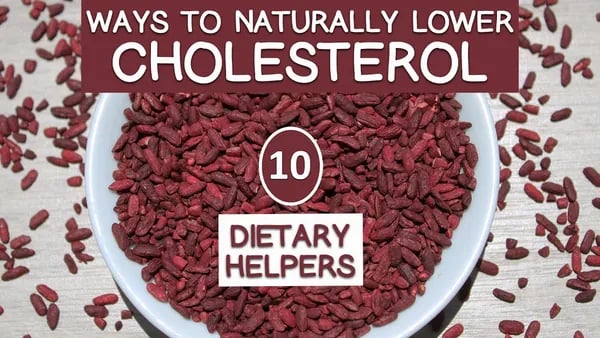
If you’re searching for natural cholesterol management options, red yeast rice (RYR) is a supplement you’ll often encounter. This unique product starts as regular rice, but it’s transformed through fermentation with the mold Monascus purpureus. The result is a red-colored rice grain packed with a powerful compound: monacolin K.
What makes red yeast rice especially interesting is that monacolin K is chemically identical to the prescription statin drug lovastatin. This means RYR can offer similar cholesterol-lowering benefits, but in a natural form. It’s no wonder that “red yeast rice powder is highly revered in the dietary supplement world for its potential cardiovascular support.”
Red Yeast Rice Benefits for Cholesterol
The main reason people turn to red yeast rice is its ability to help manage cholesterol levels. Research shows that monacolin K can:
- Reduce LDL (“bad”) cholesterol in a way similar to statin medications
- Support overall cardiovascular health
- Offer a plant-based, natural cholesterol management option
Many supplement users and health professionals praise RYR for its lipid-lowering effects. In fact, studies suggest that regular use of quality red yeast rice supplements can lead to a modest reduction in LDL cholesterol.
Quality Matters: Not All Supplements Are Equal
One important thing to keep in mind is that the quality of red yeast rice supplements can vary a lot. Because these products are made by fermenting rice with Monascus purpureus, the amount of monacolin K can differ from one brand to another. Some products may contain very little of the active compound, while others may have higher concentrations. Always look for reputable brands and check for third-party testing to ensure you’re getting a reliable product.
Potential Side Effects and Safety
Although red yeast rice is natural, it’s not free from side effects. Since monacolin K is the same as lovastatin, you may experience similar reactions, such as mild muscle pain or digestive issues. In fact, a friend of mine switched to RYR after experiencing muscle aches with statins and found that their cholesterol levels stabilized without the same discomfort. However, it’s always wise to consult your doctor before starting RYR, especially if you’re already taking cholesterol medications.
Enhancing Effects with CoQ10
Some people choose to take CoQ10 alongside red yeast rice. This can help reduce the risk of muscle pain and further support heart health, making your natural cholesterol management routine even more effective.
Leafy Greens and Fiber: The Unsung Heroes of Cholesterol Control
When it comes to cholesterol-lowering foods, dark leafy greens and fiber-rich options are often overlooked, yet they play a powerful role in natural cholesterol management. By making simple changes to your diet, you can tap into the benefits of these unsung heroes and support your heart health.
Dark Leafy Greens: Nature’s Cholesterol Fighters
Adding more vegetables to your meals is linked to better cholesterol balance, but dark leafy greens like kale and collard are especially effective. These greens are packed with chlorophyll, omega-3 ALA fats, fiber, and protein—all of which contribute to cardiovascular wellness. Lightly steaming these greens not only preserves their nutrients but also enhances their ability to bind bile acids in your digestive tract. This process helps your body remove cholesterol more efficiently, lowering LDL (bad) cholesterol levels.
Leafy greens are also rich in nitrate and organosulfur compounds, which have been shown to slow the formation of plaque in the arteries. These natural compounds, along with the fiber content, make dark leafy greens a cornerstone of any cholesterol-lowering protocol.
Psyllium Husk: Soluble Fiber for LDL Reduction
Fiber is often lacking in diets high in cholesterol, but supplementing with soluble fiber can make a significant difference. Psyllium husk is a standout option, known for its cholesterol-lowering effects. When mixed with water, psyllium forms a gel-like substance that traps cholesterol in the gut and helps remove it from the body. Research highlights that:
Psyllium fiber effectively improves conventional and alternative lipids markers, potentially delaying the process of atherosclerosis-associated CVD risk.
Regular use of psyllium husk can lead to reductions in LDL cholesterol and triglycerides, making it a simple yet effective addition to your daily routine.
Legumes: Plant-Based Protein for Cholesterol Management
Swapping animal proteins for plant-based options like beans, lentils, and peas can further enhance your cholesterol-lowering strategy. Legumes are high in both protein and fiber, which binds to cholesterol and helps excrete it from the body. Studies show that eating just one cup of beans daily for four weeks can lower both total and LDL cholesterol in individuals with elevated levels. This makes legumes a top choice for anyone looking to manage cholesterol naturally.
- Dark leafy greens: Bind bile acids, slow plaque buildup, and deliver heart-healthy nutrients.
- Psyllium husk: Powerful soluble fiber that reduces LDL cholesterol and triglycerides.
- Legumes: Replace animal proteins and supply cholesterol-binding fiber for effective cholesterol management.
Garlic and Guggul: Herbal Allies in Cardiovascular Health
When it comes to natural cholesterol management, two time-tested herbal allies stand out: garlic and guggul. Both have been valued for centuries in traditional medicine and are now supported by modern research for their roles in supporting heart health and cholesterol balance.
Garlic: A Flavorful Boost for Cardiovascular Health
Garlic is more than just a kitchen staple; it’s a powerful tool for garlic cardiovascular health. The secret lies in its sulfur compounds, especially allicin, which help maintain healthy cholesterol levels. Studies show that garlic can lower total cholesterol and LDL (“bad” cholesterol) while helping to maintain or even boost HDL (“good” cholesterol). As noted in a 2024 meta-analysis, “Evidence from this meta-analysis suggested that garlic consumption could be effective in reducing the risk of dyslipidemia and preventing CVDs.”
Garlic’s benefits are not limited to one form. Whether you enjoy it fresh, cooked, dried, or aged, garlic offers protective effects for your heart. This makes it easy to include in your daily meals—simply add it to soups, stir-fries, or roasted vegetables for both flavor and health benefits. Most people find garlic easy to incorporate into a cholesterol-lowering meal plan, and its taste is widely loved.
- Key compound: Allicin (sulfur-based)
- Benefits: Lowers LDL, supports HDL, reduces risk of dyslipidemia
- Best for: All adults, with notable benefits for the elderly
- Forms: Fresh, cooked, dried, aged
Guggul: Ayurvedic Support for Cholesterol Balance
Guggul, a resin from the Commiphora mukul tree, has been used in Ayurveda for centuries to support guggul cholesterol balance. Its active compounds, called guggulsterones, are known for their ability to help remove toxins and support healthy cholesterol levels. Guggul is believed to work by enhancing the liver’s ability to process cholesterol and by reducing the absorption of cholesterol in the intestines.
- Key compound: Guggulsterones (plant steroids)
- Benefits: Supports cholesterol balance, aids toxin removal
- Traditional use: Widely used in Ayurvedic medicine
While guggul’s traditional use is well established, clinical evidence is mixed. However, many people still include it as part of a holistic approach to natural cholesterol management.
Practical Considerations
Both garlic and guggul can be integrated into your daily routine. Garlic is easy to add to meals, while guggul is typically taken as a supplement. Be aware that garlic may cause odor or mild digestive discomfort in some people. Always consult with your healthcare provider before starting new supplements, especially if you have existing health conditions or take medications.
Plant Sterols, Beta-Glucans, and Artichoke Extracts: Science-Backed Supplements
When it comes to natural cholesterol management, three supplements stand out for their science-backed benefits: plant sterols (like beta-sitosterol), beta-glucans, and artichoke extract. Each offers a unique way to support healthy cholesterol levels and, when combined, can form a powerful, holistic approach to heart health.
Plant Sterols Effects: Blocking Cholesterol Absorption
Plant sterols, especially beta-sitosterol, are compounds found in many plant-based foods. Their structure is similar to cholesterol, which allows them to compete for absorption in your digestive tract. This means less dietary cholesterol enters your bloodstream. Research shows that a daily intake of 2-3 grams of plant sterols can decrease LDL cholesterol by 6-12%. You can find beta-sitosterol in:
- Avocados
- Dark chocolate (cacao)
- Nuts and seeds (such as pistachios and sesame seeds)
- Legumes, rice bran, wheat germ, and olive oil
While vegetable seed oils like canola are high in plant sterols, long-term use is not recommended due to potential negative health effects. Instead, focus on whole food sources or consider a plant sterol supplement, especially if your diet is rich in saturated animal fats or proteins.
Beta-Glucan Cholesterol Effects: Fiber Power from Oats
Beta-glucans, a type of soluble fiber found mainly in oats and barley, work differently. When you eat foods high in beta-glucans, they form a gel-like substance in your gut. This gel traps cholesterol and helps your body remove it. Studies show that beta-glucans can modestly lower LDL cholesterol without affecting HDL (the “good” cholesterol). The cholesterol-lowering effects of beta-glucans are well-supported and even compared to the benefits seen with some statin medications.
Artichoke Extract Cholesterol Reduction: A Natural Helper
Artichoke leaf extract, standardized for caffeoylquinic acids, has a long history of use for cholesterol management. It acts as a digestive bitter, supporting the absorption of fat-soluble nutrients and promoting liver health—both important for cholesterol metabolism. Human studies have shown that 5 to 13 weeks of daily supplementation can significantly reduce LDL cholesterol and triglycerides. As one study notes:
Supplementation with artichoke extract was associated with a significant reduction in both total and LDL-C, and triglycerides.
Artichoke’s natural antioxidants, like luteolin and quercetin, may also help inhibit cholesterol buildup in your arteries.
By including plant sterols, beta-glucans, and artichoke extract in your routine, you can target cholesterol from multiple angles, using nature’s own tools for a healthier heart.
MSM and Other Emerging Natural Supplements: What to Know
When exploring natural cholesterol management, you may come across MSM (methylsulfonylmethane) and other emerging supplements. MSM is a white crystalline powder made up of about 34% sulfur. While it’s best known for supporting joint health and reducing inflammation, recent interest has focused on its potential cholesterol-lowering effects and cardiovascular benefits.
How MSM Supplement Cholesterol Effects Work
MSM’s sulfur content plays a key role in its health benefits. Some health experts consider MSM one of the promising supplements for dissolving calcification and arterial plaque—factors that contribute to cardiovascular disease. Early findings suggest that MSM supplementation may positively influence cholesterol ratios, particularly by increasing HDL (the “good” cholesterol). Improving your HDL levels is important for heart health, as it helps remove excess cholesterol from your bloodstream.
MSM’s Role in Detoxification and Antioxidant Support
Another important benefit of MSM is its support for the body’s natural detoxification processes. MSM helps boost the production and effectiveness of glutathione, often called the body’s “master antioxidant.” Glutathione is vital for neutralizing free radicals and protecting your cells from oxidative stress. According to research, glutathione also has anti-atherogenic properties, which means it may help prevent or even reverse the buildup of plaque in your arteries. As one study notes:
“These results showed how glutathione has antioxidant and antiatherogenic properties and may lead to remission of atherosclerosis.”
Other Emerging Natural Cholesterol-Lowering Supplements
Beyond MSM, other natural supplements are gaining attention for their potential cholesterol-lowering effects. For example, red algae containing carrageenan have been used for centuries in traditional medicine, especially for respiratory and inflammatory conditions. While these supplements show promise, strong clinical evidence for their widespread use in cholesterol management is still lacking.
Cholesterol-Lowering Supplements Safety: What You Should Know
While MSM and similar supplements offer exciting possibilities for natural cholesterol management, it’s essential to approach them with caution. The safety and efficacy of these emerging supplements need further exploration. Always consult your healthcare provider before adding MSM or any new supplement to your regimen, especially if you are taking medications or have underlying health conditions. This ensures you can safely integrate these options into your cholesterol management plan.
Safety First: Consulting Professionals Before Natural Cholesterol Management
Exploring natural cholesterol management can be empowering, especially with the wide range of cholesterol-lowering supplements and foods available today. However, it’s crucial to remember that “natural” does not always mean “risk-free.” Many alternative treatments for cholesterol, such as red yeast rice, guggul, psyllium, garlic, and artichoke extract, have potent effects on the body and can interact with prescribed medications or underlying health conditions. For example, red yeast rice contains monacolin K, which is chemically identical to the statin drug lovastatin and may cause similar side effects. Garlic, while beneficial for cardiovascular health, can interact with blood thinners and increase the risk of bleeding. Even seemingly harmless options like green tea can affect medication metabolism.
Because of these potential risks, consulting a healthcare professional before starting any supplement regimen is essential for your safety. This is especially true for individuals who are pregnant, nursing, have serious health conditions, or are currently taking medications. A qualified health provider can help you navigate the complex world of natural cholesterol management, ensuring that any supplements or dietary changes you consider are appropriate for your unique needs and medical history. As emphasized throughout this guide,
“Seek the advice of a qualified health professional before trying to lower cholesterol naturally using foods or supplements on this list.”
Another important consideration is product quality and dosing. Not all supplements are created equal—differences in manufacturing standards, ingredient purity, and dosages can significantly impact both safety and effectiveness. Professional guidance helps you select reputable products and determine the right dosage, reducing the risk of adverse effects or ineffective treatment. Your healthcare provider can also monitor your progress and adjust your plan as needed, creating a personalized approach that optimizes your cholesterol-lowering efforts while minimizing risks.
Ultimately, while the appeal of natural cholesterol management is understandable, prioritizing safety is key. Professional consultation not only helps you avoid harmful interactions and side effects but also ensures that your approach is tailored to your individual health profile. With expert support, you can confidently explore alternative treatments for cholesterol and make informed decisions that support your long-term cardiovascular health.