
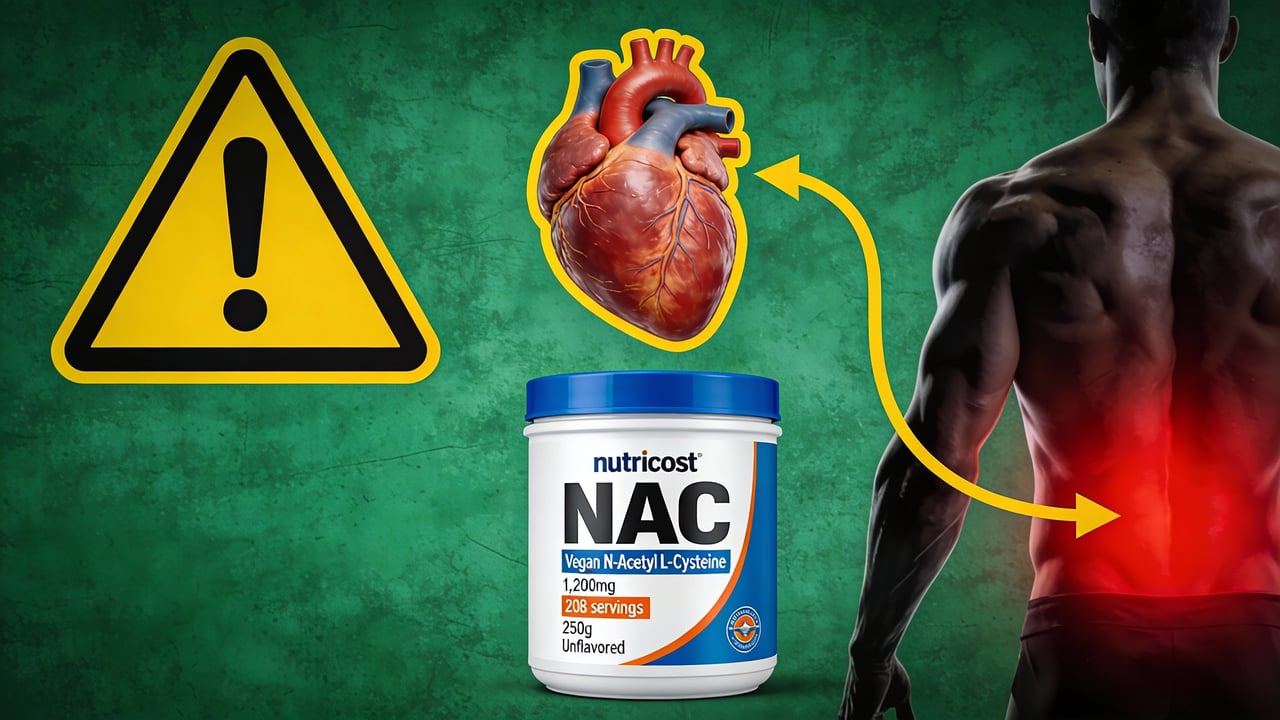



You probably judge supplements by the label, price and a few reviews — same here. I remember ordering Nutricost NAC after a winter of heavy colds and a vague itch to 'do more' for my liver. The bottle arrived, smelled faintly like rotten eggs (yes, that’s NAC), and quietly sat on the counter for a month until a fortnight of better breathing convinced me it might be worth the daily habit. This post walks you through what Nutricost NAC offers, why the science matters, and how to use it sensibly — told from the perspective of someone who’s tried it and asked too many questions.
Quick Take: What Nutricost NAC Does for You
If you want a simple, clean way to add NAC to your routine, Nutricost gives you 600 mg of N-Acetyl L-Cysteine per capsule—a commonly available strength in supplements. With 180 vegan NAC capsules per bottle, you get about six months of daily use at one capsule per day.
Top benefits NAC: what you’re supporting
Nutricost NAC is designed to support three main areas of wellness:
Liver support: NAC is widely used for liver wellness and detox support.
Respiratory function: many people use NAC to support clear breathing and lung comfort.
Antioxidant defenses: NAC helps your body make glutathione, a key antioxidant involved in cellular protection.
N-Acetyl Cysteine uses: why people choose it
In real-world use, customers often report benefits like better daily energy, seasonal respiratory support, and general wellness support. Reviews also mention the typical sulfur-like (“rotten egg”) smell that can come with NAC, plus occasional stomach upset or headaches in sensitive users.
NAC supplement dosage: how to take it
The label direction is straightforward: take 1 capsule daily with 8–12 oz of water, or follow your healthcare professional’s advice. It’s intended for healthy adults 18+. If you’re pregnant, nursing, taking medication, or managing a condition, check with your clinician first.
Clean label + third party tested manufacturing
This formula keeps the ingredient list short and clear:
N-Acetyl L-Cysteine
Hypromellose (cellulose capsule)
Magnesium stearate
Stearic acid (vegetable source)
It’s vegan, non-GMO, and gluten-free, and it’s made in an NSF certified, GMP compliant, FDA registered facility with third party tested verification through ISO-accredited labs—key trust signals if you care about consistency and purity.
Price and value snapshot
Option | Price | Cost per capsule |
|---|---|---|
One-time purchase | $15.95 | $0.09 |
Subscribe & Save | $14.35 | Lower than one-time |
Amazon also offers free shipping over $35, which can make ongoing use more convenient.
Science Snapshot: How NAC Works (and Why You Care)
N-Acetyl Cysteine antioxidant: the “glutathione builder”
NAC (N-Acetyl L-Cysteine) matters because it helps your body make glutathione, one of your most important internal antioxidants. Think of NAC as a supply of cysteine—an amino acid your cells use to build glutathione. This is the most scientifically supported reason people use NAC: glutathione antioxidant support that helps neutralize free radicals and supports normal detox pathways, especially in the liver.
When glutathione levels are supported, you may also see benefits tied to how your body handles oxidative stress—one reason NAC is often discussed for overall wellness and why many users choose a daily 600 mg capsule.
Glutathione antioxidant support and how NAC reduce inflammation
By supporting glutathione, NAC can also influence inflammatory signaling. In simple terms, less oxidative stress can mean a calmer inflammatory response. That’s why you’ll often see NAC discussed for “system-wide” support, not just one organ. While results vary by person, clinical research supports NAC’s antioxidant and anti-inflammatory activity, which is why “NAC reduce inflammation” is a common goal for consistent users.
NAC mucus thinning, NAC lung function, and respiratory support
NAC is also known for NAC mucus thinning effects. It can help break apart thick mucus by disrupting bonds in mucus proteins, which may make it easier to clear. This is especially relevant if you deal with congestion or chronic respiratory issues.
In longer-term research on chronic lung conditions, sustained dosing has shown promise. For example, COPD studies have reported that 600 mg twice daily was linked to symptom improvement and better NAC lung function measures over about a year in some participants.
There’s also emerging interest in how NAC may make bacterial biofilms more vulnerable, which could matter for stubborn respiratory infections—though this is still an evolving area.
Why dosing varies: low oral bioavailability
Oral NAC has relatively low bioavailability, meaning only part of what you swallow is absorbed and used. That’s one reason some protocols use higher or more frequent dosing than a basic once-daily approach.
Hospital use: where NAC is a true lifesaver
In hospitals, prescription N-acetyl cysteine is a standard treatment for acetaminophen (Tylenol) overdose because it rapidly restores glutathione and helps protect the liver.
Dosage, Timing and Safety: Practical Advice You Can Use
NAC dosage recommendations (what Nutricost suggests)
Nutricost’s label keeps things simple: 1 capsule daily. Each capsule provides a NAC supplement dosage of 600 mg, which is a common everyday amount for general wellness support. Take it with 8–12 oz of water, and stick with the same routine for a few weeks before you judge results.
How your dose compares to research
In studies, NAC is often used in a wider range depending on the goal. Many trials use 600–1,800 mg per day, sometimes split into two or three doses. For example, respiratory studies (including COPD trials) commonly use 600 mg twice daily. That doesn’t mean you need that much—it means your “best” dose can vary, and it’s smart to start with the label dose unless your clinician suggests otherwise.
Use case | Typical amount | How it’s taken |
|---|---|---|
Everyday supplementation | 600 mg/day | 1 capsule daily |
Common study range | 600–1,800 mg/day | Often split doses |
Example respiratory trial | 1,200 mg/day | 600 mg twice daily |
NAC morning or night: timing tips
If you’re wondering NAC morning or night, choose based on how you feel:
Morning: better if it feels energizing or supports daytime breathing.
Night: better if it’s easier on your stomach with dinner, or if you notice mild nausea earlier in the day.
If you move beyond 600 mg/day, splitting the dose (AM/PM) may feel gentler on digestion.
NAC daily safety: what to watch for
Most people tolerate NAC well, but Take NAC daily with awareness. Long-term daily safety is not fully established beyond several months because many studies run weeks to months, not years.
Possible side effects include GI discomfort, fatigue, rash, nausea, and headache. A sulfur-like “rotten egg” smell is also common and not usually a quality issue.
When to talk to your healthcare provider
Consult a clinician before use if you’re pregnant, nursing, under 18, managing a chronic condition, or taking medications—especially if you’re following any acetaminophen-related protocol. Stop use if you have a strong reaction and seek medical advice.
Quality, Reviews, and Real‑World Experience
Quality you can verify: third party tested and clean-label
With Nutricost NAC 600mg, you get a simple formula built around transparency. The product is made in an NSF certified facility that is GMP compliant and FDA registered, and it is third party tested by independent, ISO-accredited labs. For many buyers, that combination matters because it supports consistent quality from bottle to bottle.
The ingredient list stays streamlined: N-Acetyl L-Cysteine plus a cellulose capsule (Hypromellose) and a few common manufacturing aids from vegetable sources. It’s also vegan, non-GMO, and gluten-free—helpful if you’re trying to avoid unnecessary fillers.
Reviews at scale: 4.6/5 from 12,000+ ratings
Social proof is strong here. Nutricost NAC holds an average 4.6 out of 5 stars across 12,000+ ratings. Reviewers most often highlight:
Value (180 capsules can last up to six months at one per day)
Effectiveness for everyday wellness goals
Easy-to-swallow capsules
No “extra” ingredients beyond what’s needed
Real-world benefits: NAC immune system, breathing, and mood support
In user feedback, you’ll see repeated mentions of liver support and easier breathing, especially during seasonal changes. Others describe better daily energy and quicker bounce-back when they feel run down, tying into the broader conversation around the NAC immune system role.
Some reviews also point to NAC anxiety relief as a noticeable benefit, and a few users report surprising habit support such as reduced NAC skin picking or nail picking.
Common negatives: smell and NAC side effects
The most frequent complaint is the strong sulfur (“rotten egg”) odor—typical for NAC. A smaller group reports mild NAC side effects like stomach discomfort, nausea, headaches, fatigue, or rash. If you notice adverse reactions, stop use and speak with your healthcare provider.
Storage and brand transparency
Keep the bottle sealed in a cool, dry place. Nutricost’s marketing also pairs this NAC with other high-standard options like Nutricost Organic Beet Root Powder, NaturaLife Labs Organic Ashwagandha, Nature’s Way Organic MCT Oil, Zazzee Milk Thistle, and Lions Mane Mushroom, reinforcing a “clean and simple” supplement approach.
Buying Guide, Cost and Final Considerations
Cost, value, and delivery flexibility
In this Nutricost NAC review, the value is one of the clearest strengths. Nutricost N-Acetyl L-Cysteine provides 600 mg per capsule with 180 capsules per bottle, which can last up to six months if you follow a typical NAC supplement dosage of one capsule daily. The one-time price is $15.95, which works out to about $0.09 per capsule. If you use Amazon Subscribe & Save, the price drops to $14.35 and you can choose delivery intervals that fit your routine, which makes consistent use easier to maintain.
Shipping is also straightforward through Amazon, and you can often qualify for free shipping when your cart total is over $35. That can matter if you plan to bundle NAC with other staples.
Quality checks: certifications, testing, and label clarity
Before you buy, confirm the quality signals that matter to you. Nutricost states it is made in an NSF certified, GMP compliant facility that is also FDA registered, and it reports third-party testing through independent, ISO-accredited labs. Those are meaningful trust markers, but you should still cross-check the most current listing details (formulas and testing language can change).
If you care about a simple formula, this product fits: NAC plus a cellulose capsule and common vegetable-based flow agents. It is also vegan, non-GMO, and gluten-free. For many people, that supports consistency and comfort, which can indirectly help NAC bioavailability absorption by improving adherence.
Safety notes and realistic expectations
Many people choose NAC for wellness goals like liver detoxification NAC support and respiratory health, but remember that supplement statements are not evaluated by the FDA and the product is not intended to diagnose, treat, cure, or prevent disease. Talk with a licensed healthcare provider before starting—especially if you are pregnant, nursing, managing a condition, or taking prescriptions.
Also keep context in mind: prescription NAC may be used for acetaminophen overdose in medical settings, which involves different dosing and supervision. Finally, consider practical downsides reported by users, including the common sulfur “rotten egg” smell and occasional stomach upset or headaches. If you want a clean, affordable NAC with strong manufacturing claims and convenient replenishment, Nutricost is a solid option—provided you use it thoughtfully and monitor how you feel.