
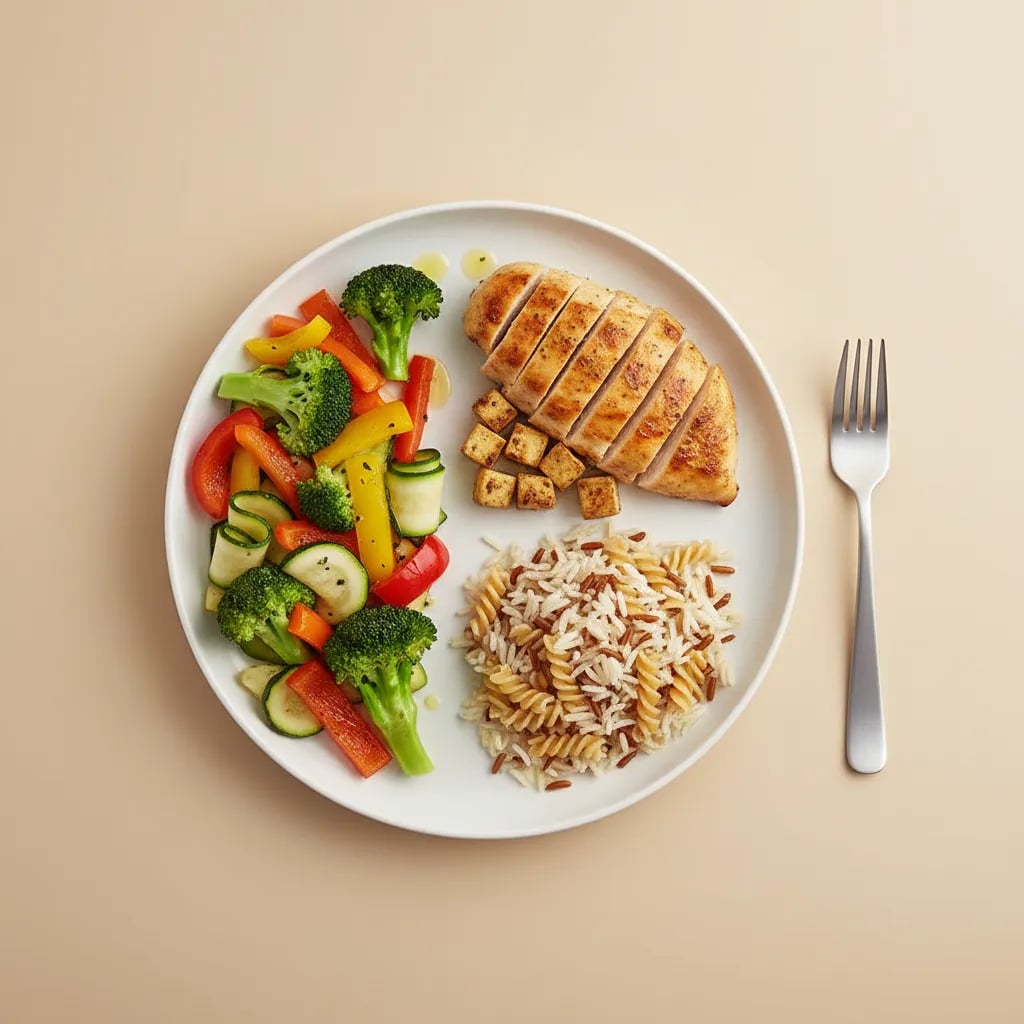



You know that warm bowl of pasta or a mound of rice can feel like comfort in a forkful — I do, too. Picture a Sunday dinner when you piled spaghetti as the main event and felt sluggish afterward. If you’ve ever wondered why that happens, this post is for you. You’ll learn why treating refined carbs (like white pasta and polished rice) as side dishes — not the main course — helps steady blood sugar, tame cravings, and protect long-term health. I’ll toss in a few quick swaps and a tiny confession about my favorite guilty-pleasure carbonara.
Refined vs Unrefined Carbohydrates: What Changes When You Portion Them
Refined Grains Processing Effects: what gets removed
When you compare Refined vs Unrefined Carbohydrates, the biggest difference is what happens during milling. Refined grains (like white pasta and white rice) are made by stripping off the bran and germ. According to guidance summarized by sources like HelpGuide and the American Heart Association, this processing improves texture and shelf life, but it also removes much of the grain’s fiber and several nutrients.
That matters because the bran and germ contain a lot of the grain’s soluble fiber, vitamins, minerals, and protective plant compounds. A PMC review on carbohydrate quality and health highlights that lower-fiber, more processed carbs are linked with poorer metabolic outcomes over time.
Why refined carbs digest faster (and raise glycemic load)
With less fiber to slow digestion, refined pasta or rice breaks down into glucose more quickly. This raises the Glycemic load blood glucose impact of your meal. Glycemic load is a practical idea: it combines how fast a food raises blood sugar (glycemic index) with how much carbohydrate you eat in a typical portion. So a “high glycemic load meal” is often a large serving of refined carbs with little fiber, protein, or fat to slow absorption.
Medical News Today explains that high-glycemic patterns can make blood sugar harder to manage, especially when repeated often. Over time, frequent high glycemic load meals can contribute to chronic inflammation and weaker blood sugar regulation.
What happens when you eat a big plate: Blood Sugar Spikes Crashes
If pasta or rice is the main event and the portion is large, you can get a fast rise in blood sugar within minutes. Your body responds by releasing insulin to move that glucose into cells. For many people, that quick rise is followed by a drop a bit later—those familiar Blood Sugar Spikes Crashes that can show up as low energy, brain fog, or sudden hunger within hours.
That “crash” can drive cravings and make overeating more likely, especially if the meal is low in protein, healthy fats, and fiber. Public health guidance increasingly treats reducing refined carb intake as a priority, and replacing some refined carbs with healthier proteins and fats is often recommended (as echoed in Heart Association-style dietary advice).
Practical takeaway: portioning pasta or rice as a side
When you serve pasta or rice as a side dish instead of the main course, you naturally lower the meal’s total carbohydrate load. That reduces the overall glycemic load, which can blunt blood sugar peaks and support steadier energy.
- Build your plate first with non-starchy vegetables and a protein (fish, chicken, beans, tofu).
- Add a smaller scoop of pasta or rice as the side, not the base.
- Include healthy fats (olive oil, nuts, avocado) to slow digestion and improve fullness.
- Choose unrefined more often (brown rice, whole-grain pasta) to keep more bran, germ, and fiber.
“Smaller portions of refined grains, paired with fiber, protein, and healthy fats, can lower the meal’s glycemic load and help smooth out blood sugar swings.”
Steady Energy & Appetite Control: Why Sides Keep You Fuller Longer
Steady Energy Stable Blood Sugar starts with what’s around the pasta
When pasta or rice is the main event, it’s easy to eat 1.5–2 cups without noticing—especially if the plate is light on vegetables and protein. That bigger carb load can raise the meal’s glycemic load, which may lead to blood sugar swings and stronger cravings later. But when you treat pasta or rice as a side, you naturally make room for foods that slow digestion.
Here’s why that matters: fiber (from vegetables, beans, and whole grains) and protein (from chicken, fish, tofu, eggs, or Greek yogurt) help your meal move through your body more slowly. Slower digestion often means you feel satisfied longer, with fewer “I need a snack” moments between meals—supporting Appetite control satiety fullness in a practical way.
Better Appetite Calorie Control with the plate method
A simple way to build a meal is the plate method. It supports Balanced diet carbohydrate portion without counting every bite:
- ½ plate: non-starchy vegetables (salad, broccoli, peppers, zucchini, mushrooms)
- ¼ plate: palm-sized protein (chicken, tuna, lentils, tofu)
- ¼ plate: refined carb as a side (pasta or rice)
With this setup, the pasta or rice isn’t “bad”—it’s just in the right role. The fiber from veggies plus protein (and a little healthy fat like olive oil or avocado) helps you stay full and keeps energy more even.
Portion advice you can use tonight
For most meals, aim for a cupped-hand serving of cooked pasta or rice as a side—about ½ cup to 1 cup, depending on your hunger, activity level, and goals. Compare that to the common “main dish” portion of 1.5–2 cups, which can push calories up fast.
- ½ cup: if you’re less active or pairing with lots of veggies and a hearty protein
- ¾–1 cup: if you’re very active, very hungry, or need more carbs for training
If you want even more steady energy, choose complex carbohydrates more often—like brown rice, whole-wheat pasta, or other whole grains. These are typically digested more slowly and tend to have a lower glycemic load than refined options, helping support steadier energy through the day.
A small swap that makes a big difference (personal aside)
I remember a week when I swapped half my usual pasta for a roasted veg medley (zucchini, onions, and peppers). I still had the pasta I wanted—just less of it—and I added chicken on the side. What surprised me was how much it helped with late-night cravings. I felt more satisfied after dinner, and I reached for snacks less often, which is exactly what Better Appetite Calorie Control looks like in real life.
Support Digestive Health: Whole Grains, Gut Bacteria, and Nutrients
When you treat pasta or rice as a side instead of the main event, you make room for more vegetables, legumes, and protein—foods that naturally help Support Digestive Health. But the carb you choose matters, too. Nutrient-Rich Whole Grains and other intact, unprocessed carbs do more than “fill you up”: they feed your gut bacteria, support regularity, and help keep blood sugar steadier than refined grains.
How whole grains feed gut bacteria and improve regularity
Your digestive system relies on fiber to keep things moving and to support a healthy balance of Digestive health gut bacteria. Whole grains keep the grain’s bran and germ intact, which is where much of the fiber and nutrients live. This includes soluble fiber, which becomes more viscous (gel-like) in your gut. That gel can help soften stools and may support a calmer gut environment.
These are key Whole grains fiber benefits you can notice over time:
- Feeds beneficial bacteria, which can support digestion and immune function
- Improves regularity by adding bulk and holding water in the stool
- May lower inflammation risk by supporting a healthier gut barrier and microbiome
Refined grains: calories, but fewer helpful nutrients
White rice and regular pasta can fit in a balanced diet, especially when you keep portions moderate and pair them with fiber-rich foods. The issue is that refining removes the bran and germ. That means fewer Unprocessed carbs vitamins minerals—especially B vitamins—and less magnesium, iron, and protective plant compounds. You also lose much of the soluble fiber that helps slow digestion and supports gut bacteria.
Major health organizations note that whole grains are linked with better heart and metabolic health, in part because of their fiber and nutrient content. (American Heart Association; Mayo Clinic; Healthline)
Lower glycemic load: steadier energy and better long-term health
Another reason to choose intact carbs more often is blood sugar control. Complex carbohydrates from whole foods tend to have a lower glycemic load than refined carbs. That means fewer sharp spikes and crashes. Research summaries from sources like the American Heart Association and Mayo Clinic connect higher whole-grain intake with lower risk of type 2 diabetes and cardiovascular disease. Keeping pasta or rice as a side dish also helps, because a smaller portion reduces the overall glycemic impact of the meal.
Easy swaps for pasta and rice sides (no “all or nothing”)
You don’t have to switch overnight. Mixing grains can make the taste and texture change easier, and it can also reduce the net glycemic response of the dish.
- Choose brown rice or whole-wheat pasta most often
- Try a half white / half whole-grain blend for rice or pasta
- Boost fiber by adding lentils, chickpeas, or vegetables to the side portion
- Pair refined pasta/rice with high-fiber foods (beans, veggies) to slow digestion
Practical Plate Fixes: Portioning, Swaps, and a Week-Long Experiment
Carbohydrates: How Carbs Fit when pasta or rice is a side
If you love pasta or rice, you don’t have to cut them out—you just need to change their job on the plate. When refined carbs become the main course, it’s easy to eat 1–2 cups without noticing, which can push blood sugar up and leave you hungry again soon. Making pasta or rice a side helps you practice Carbohydrate portion control, stabilize glucose, and lower the chance of chronic inflammation over time. Public health guidance also supports reducing refined carbohydrate intake and replacing those calories with healthy protein and unsaturated fats.
Simple rules for Carbohydrate portion control
- Halve your usual serving: aim for ½ cup cooked refined carb as a side (instead of 1–2 cups as a main), adjusting up only if you’re very active.
- Use the plate method: fill half your plate with vegetables, then add a palm-sized protein.
- Add a healthy fat: olive oil, avocado, nuts, or seeds help slow digestion and support steadier energy.
These steps matter because refined carbs can drive bigger blood sugar swings, and in sedentary or overweight populations, Refined Carbs and Sugar may cause greater metabolic damage than saturated fat—another reason to keep portions modest.
Complex Carbohydrates Health Benefits: easy swaps that still taste good
You can keep the comfort-food feel while improving the carb quality. Try whole-grain pasta, brown rice, or a half-and-half mix (half white rice, half brown). These options tend to have a lower glycemic load, and Complex Carbohydrates Health Benefits include better blood sugar response and support for long-term heart and metabolic health. For quick wins, keep measuring cups in your drawer, and stock pantry swaps like whole-grain pasta and cauliflower rice for nights you want an even lighter side.
Two quick meals where pasta/rice stays the side
Lemon-herb grilled chicken with ½ cup lemon orzo and a big green salad: grill chicken with lemon, garlic, and herbs; toss cooked orzo with lemon zest and a teaspoon of olive oil; build a large salad with cucumbers and greens.
Veggie-heavy stir-fry with ¾ cup brown rice on the side: stir-fry broccoli (lots), peppers, and onions with tofu, shrimp, or chicken; serve rice separately so it stays a measured side, not the base.
Your 7-day experiment: keep favorites, change the portions
For one week, you keep your usual meals but make pasta or rice the side at dinner. Measure your portion, then build the rest of the plate with vegetables, protein, and an unsaturated fat. In a small journal, track your energy, cravings, and mood each day—especially mid-afternoon and late night. Many people notice fewer low-energy episodes, reduced late-night snacking, and steadier mid-afternoon focus. By the end of the week, you’ll have real proof of how portioning and pairing can help you enjoy carbs without letting them run the meal.