
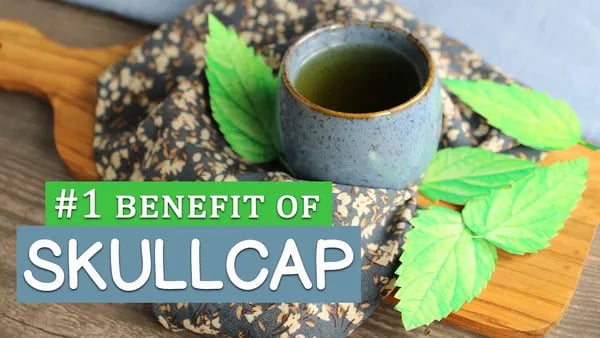



Have you ever stumbled upon a plant that seems like nature’s own lullaby in a bottle? For me, discovering Skullcap was exactly that—an unexpected herbal ally during restless nights filled with anxious thoughts. Native to North America and cherished in traditional Western herbalism, Skeleton’s lateriflora, or 'the American Skullcap,' whispers promises of calm and restorative sleep. In this post, I'll take you through this plant’s fascinating background, highlight its chief benefits, and share a tried-and-true method to prepare your very own Skullcap tincture. Think of it as the herbal bedtime ritual you didn’t know you needed.
1. Meet Skullcap: Nature’s Nervine Ally
When you explore the world of calming herbs, Skullcap stands out as a gentle yet powerful ally. Known scientifically as Scutellaria lateriflora, this perennial herb is a proud member of the mint family. If you’re seeking natural ways to support your nervous system, understanding Skullcap’s identity and traditional uses can help you appreciate why it’s so valued in herbal wellness.
What Is Skullcap? (Scutellaria lateriflora uses)
Skullcap, or American Skullcap, is native to North America and has been a staple in traditional Western herbalism for centuries. Its botanical name, Scutellaria lateriflora, reflects its unique flower shape and structure. You might also hear it called Blue Skullcap due to its striking blue or purple flowers, or Virginian Skullcap, referencing one of its original habitats in Virginia.
Distinctive Features of Skullcap Organic Herb
As you get to know Skullcap, you’ll notice its distinct appearance. The plant features slender, serrated leaves that closely resemble those of other mint family members. Its stems are square, a classic trait of the mint family, making it easy to identify among wild herbs. Skullcap’s delicate blue flowers add a splash of color to its natural habitat, making it both beautiful and beneficial.
Folklore and Traditional Names
Skullcap’s reputation extends beyond its appearance. In folk medicine, it has been called Mad Dog Skullcap, a name rooted in its historical use as a supposed remedy for rabies. While modern herbalists focus on its nervine properties, these traditional names highlight its longstanding role in herbal lore.
Preferred Habitats: Where Skullcap Thrives
If you’re foraging or growing Skullcap organic herb, look for moist, temperate environments. This plant thrives in meadows, along stream banks, and in swampy woodlands. As one herbalist notes:
"Skullcap grows well in wetlands and brings a touch of tranquility from those peaceful meadows."
Its love for damp, rich soils means it’s often found in serene, undisturbed places—perfect for a plant known to bring calm and balance.
- Native Range: North America, but now found in temperate climates worldwide
- Key Traits: Slender, serrated leaves; square stems; blue/purple flowers
- Traditional Use: Valued as a nervine in Western herbalism
- Habitat: Moist meadows, wetlands, and woodland edges
With its rich history and gentle support for the nervous system, Skullcap continues to be a cherished herb for those seeking natural calm.
2. The Sleep-Enhancing Power of Skullcap
When it comes to natural sleep aids, Skullcap stands out as a powerful herbal nervine for anxiety relief and restorative rest. The leaves and stems of Skullcap have a long tradition in herbal medicine as a nervine tonic, meaning they work to calm, nourish, and tone your nervous system. This group of herbs ranges from those that are mildly calming to those that are strongly sedating, making Skullcap uniquely versatile for sleep support.
Herbal nervines like Skullcap help restore nervous system function in a gentle, nutritive way. By nourishing your nerves, they address the root causes of restlessness and sleeplessness, rather than simply masking symptoms. This leads us to the number one benefit of Skullcap for sleep therapy: its ability to quiet the mind and body, paving the way for deep, restorative sleep.
Skullcap Dosage Effects: From Mild Calm to Deep Sedation
Skullcap tinctures have been favored by herbalists for centuries to improve sleep quality and address insomnia. The effects of Skullcap depend on the dosage:
- Low doses (20-30 drops): Provide mild tranquility, easing tension and promoting relaxation without drowsiness.
- High doses (40-60 drops): Act as a strongly sedating agent, helping you drift into sleep and stay asleep through the night.
Typical usage is 20-60 drops, 2-5 times daily, but always start low and adjust as needed.
Safe, Non-Addictive Natural Sleep Aid
Unlike conventional sedatives, herbal nervines such as Skullcap are not addictive and do not come with major adverse side effects. This makes Skullcap a safe and effective alternative for those seeking natural sleep aids without the risk of dependency.
"Ultimately, Skullcap helps put a ‘cap on your skull,’ pacifying anxious thoughts for a peaceful sleep."
How Skullcap Works: Flavonoids and GABA Activity
Skullcap’s sleep-enhancing power comes from its unique blend of flavonoids, including baicalin, baicalein, wogonin, and scutellarin. These compounds are known for their anxiolytic (anxiety-relieving) properties. Research shows that baicalin, in particular, interacts directly with GABA—the brain’s primary inhibitory neurotransmitter. By enhancing GABA activity, Skullcap promotes nerve relaxation and helps quiet the mind, making it easier to fall asleep and achieve deep sleep states.
Recent studies, including those from 2025, validate the efficacy of Skullcap tinctures for acute insomnia and sleep disturbances. With a typical tincture maceration time of 4-5 weeks, you can harness the full benefits of this time-honored herbal nervine for anxiety relief and restful sleep.
3. Brewing Calm: Skullcap Tea vs. Tincture
When it comes to harnessing the calming power of Skullcap, you have two main options: brewing a gentle tea or using a potent tincture. Both methods offer unique benefits, but understanding their differences can help you choose the best fit for your nightly routine.
Skullcap Tea Benefits: A Gentle, Bittersweet Brew
Skullcap tea is known for its slightly vegetal and bittersweet flavor, often compared to nettle. Unlike mint teas, Skullcap’s taste is more earthy and subtle, making it a calming choice for those who enjoy herbal infusions. Drinking Skullcap tea in the evening can help you unwind, as the warm liquid and soothing aroma promote relaxation. However, it’s important to note that the tea’s effects are milder compared to other preparations. While you may feel a gentle sense of calm, the concentration of active herbal constituents in tea is lower than in tinctures.
Skullcap Tincture Uses: Potency and Practicality
For those seeking stronger sleep support, Skullcap tincture is often the preferred choice. Tinctures are concentrated liquid extracts, delivering a higher dose of Skullcap’s beneficial compounds in just a few drops. Herbalists have historically favored tinctures for sleep aid because of this increased potency. Another practical advantage is that tinctures don’t require you to drink a full cup of liquid before bed, which can help you avoid waking up in the night to use the bathroom.
- Potency: Tinctures provide a more concentrated form of Skullcap, making them more effective for sleep support.
- Convenience: A small tincture bottle can be kept on your nightstand for easy access. As many say,
"Keeping a tincture bottle on your nightstand can be a game-changer when restlessness strikes."
- On-Demand Use: Tinctures are ideal for those moments of middle-of-the-night wakefulness, allowing you to take a quick dose without leaving your bed.
- Dosage Flexibility: With tinctures, you can easily adjust your dose to suit your needs, whether you prefer a small amount or a bit more for extra support.
- Options: Choose between traditional alcohol-based tinctures or alcohol-free versions, depending on your preference.
While Skullcap tea offers a gentle introduction to this calming herb, tinctures stand out for their potency, convenience, and flexibility—making them a top recommendation for those seeking powerful sleep benefits.
4. Crafting Your Own Skullcap Tincture: A Step-by-Step Guide
If you’re looking for a reliable Skullcap tincture preparation guide, making your own at home is simple and rewarding. Maceration is the preferred method for extracting the active compounds from Skullcap (Scutellaria lateriflora), ensuring you get the most potent benefits for sleep and relaxation. Follow these clear steps to create your own herbal remedy.
Skullcap Tincture Ingredients
- Dried Skullcap Herb (Scutellaria lateriflora)
- Vodka (80 proof, 40% alcohol by volume) – this acts as the menstruum, or extracting liquid
How to Macerate Tincture: Step-by-Step Instructions
- Prepare Your Jar: Use a clean pint-sized glass jar. Fill it halfway with dried Skullcap herb. This typically creates a 1:2 herb-to-alcohol ratio by volume, which is ideal for tincture potency.
- Add Vodka: Pour 80-proof vodka over the dried herb until it’s covered. Stir gently to help the alcohol soak into the plant material. Wait 5-10 minutes to allow the herb to absorb the liquid.
- Top Off: Add more vodka if needed, leaving about half an inch of headspace at the top of the jar.
- Seal Properly: Use a non-metallic lid (plastic or lined) to prevent alcohol from corroding the metal. This is important for both safety and tincture quality.
- Label: Clearly write the herb name and the date on your jar. This helps you track your tincture’s age and contents.
- Store: Place your jar upright in a dark, cool, and dry location—such as a pantry. Proper storage conditions enhance tincture potency and shelf life. Let the mixture macerate for 4-5 weeks.
- Shake Regularly: Shake or stir your tincture twice during the first week, then once a week after that. This helps distribute the alcohol and ensures even extraction.
- Strain: After 4-5 weeks, strain out the herbal material using cheesecloth, a mesh bag, or a tincture press.
- Bottle and Label: Funnel the finished tincture into dark glass tincture bottles and label them with the herb and date.
"After 4-5 weeks, you’ll have a potent Skullcap extract ready to soothe your nervous system."
Tip: For a stronger extract, you can repeat the process with fresh dried Skullcap and your strained tincture—a technique known as double maceration.
5. Important Dosage Guidelines and Safety Precautions
Understanding the correct Skullcap tincture dosage guide and observing essential safety measures are key to maximizing the sleep benefits of this traditional nervine herb. While Skullcap is generally considered safer than many conventional sedatives, it is still a potent botanical and should be used with care and respect.
Recommended Dosage
- Typical adult dosage: 20 to 60 drops of Skullcap tincture per dose.
- Frequency: 2 to 5 times daily, depending on your needs and sensitivity.
- Administration: Always dilute the tincture in a small amount of water or juice before consuming.
For sleep support, many herbalists recommend taking a dose about 30 minutes before bedtime. If you wake during the night, a small additional dose may help you return to restful sleep. Begin at the lower end of the dosage range to assess your response, especially if you are new to Skullcap.
Contraindications and Medical Consultation
- Pregnancy and Nursing: Do not use Skullcap tincture if you are pregnant or breastfeeding.
- Medical Conditions: Consult your healthcare provider before use if you have a serious health condition or are taking prescription medications, especially those affecting the nervous system or liver.
As with any herbal remedy, Skullcap tincture contraindications should be reviewed with your doctor or a qualified herbalist. As the saying goes:
"Always respect the herb’s potency; when in doubt, seek professional advice."
Potential Side Effects and Safety
- Skullcap side effects safety: Most users experience no adverse effects when following recommended dosages.
- Rare side effects may include mild drowsiness, dizziness, or stomach upset—typically only with excessive use.
- Overuse can lead to unwanted sedation or lethargy. Adhere strictly to dosage guidelines for best results.
Holistic Use and Synergy
For optimal sleep support, incorporate Skullcap tincture as part of a holistic wellness routine. Combine it with healthy sleep habits, a balanced diet, and other calming nervine herbs like Valerian, Passionflower, or Lemon Balm for synergistic effects. Remember, safety and adherence to dosage recommendations are paramount for both effectiveness and peace of mind.
Wild Card: The Spiritual Side and Cultural Nuggets of Skullcap
When you reach for skullcap tincture to support restful sleep, you’re tapping into more than just an herbal remedy—you’re connecting with a plant steeped in centuries of cultural and spiritual meaning. Skullcap’s calming influence is often compared to the peaceful meadows where it naturally grows. Just as those meadows offer a sense of serenity, skullcap brings a wave of calm to those who drink its tea or use its tincture, soothing not only the body but also the mind and spirit.
Across various traditions, skullcap has been valued for its ability to foster emotional tranquility. In folk practices, dried skullcap is sometimes included in ceremonial smoking blends, often alongside other herbs and tobacco leaves. These blends are used in rituals designed to promote inner peace, introspection, and spiritual calm. The gentle, grounding energy of skullcap helps participants quiet their thoughts, making space for reflection and mindfulness—a testament to how herbal medicine often intertwines with spiritual and cultural practices.
Skullcap’s influence even extends into the world of symbolism and art. In the unique deck, The Spirit of Herbs: A Guide to the Herbal Tarot, skullcap is featured on the Star Tarot card. This card traditionally represents hope, renewal, and a time for inner reflection. The inclusion of skullcap here is no accident; it highlights the herb’s reputation for supporting meditation and emotional balance. Interestingly, the Star Tarot card has also been cited as an inspiration for the iconic Starbucks logo, showing how the calming symbolism of skullcap has found its way into modern branding and pop culture.
At the heart of skullcap’s spiritual tradition is a simple yet powerful affirmation:
"With peace and calmness in my heart, I am open to the inspirations that flow within me."
This affirmation captures the essence of what skullcap offers—an invitation to embrace stillness, listen inwardly, and welcome inspiration. Whether you’re seeking better sleep, a moment of meditation, or a deeper connection to yourself, skullcap’s gentle presence can be a supportive ally.
In conclusion, skullcap’s benefits reach far beyond its physical effects. By incorporating skullcap tincture into your nightly routine, you’re not just supporting restful sleep—you’re participating in a rich tradition that honors the mind, body, and spirit. Let skullcap’s legacy of calm and reflection inspire your own journey toward peace and well-being.