
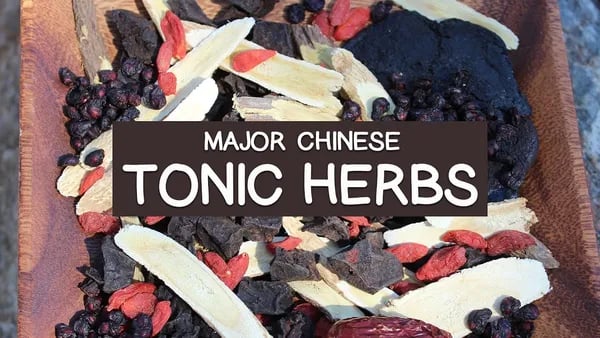



Imagine sipping a warm broth infused with ancient herbal treasures that have supported health and vitality for thousands of years. I still remember my first encounter with Astragalus tea — a gentle yet uplifting experience that sparked my curiosity about the profound world of Chinese tonic herbs. Unlike quick fixes, these herbs work subtly over time, creating a foundation of wellness that shields you from stress and illness. Let’s dive into the fascinating realm of Traditional Chinese Medicine's tonic herbs and uncover how they might just become your new wellness allies.
The Philosophy Behind Chinese Tonic Herbs: Preventative Wellness in TCM
When you hear about Chinese tonic herbs, you are usually learning about a special group of around 52 major herbs that have been used for centuries in the Traditional Chinese Medicine (TCM) system. These herbal tonics in TCM are not typically used to treat specific illnesses directly. Instead, their main purpose is to support your body’s natural defenses and help you stay well in the first place.
Unlike many Western approaches that focus on treating disease after it appears, TCM places a strong emphasis on prevention. As the saying goes,
"Tonic herbalism is a preventative approach, emphasizing health promotion over disease purging."This means that Chinese herbs for preventative health are designed to keep your body strong, balanced, and less likely to get sick.
How Tonic Herbs Work in the Body
These tonic herbs work by building and balancing your Qi (vital energy), as well as your blood, Yin, and Yang. In TCM, these elements are believed to be the foundation of health and vitality. When they are in harmony, you feel energized, resilient, and balanced. If they are out of balance, you may feel tired, stressed, or more likely to become ill.
- Qi: The vital life force that powers all your body’s functions.
- Blood: Nourishes and moistens your organs and tissues.
- Yin: Represents cooling, nourishing, and calming qualities.
- Yang: Represents warmth, activity, and stimulation.
By promoting balance in these areas, Chinese tonic herbs help you maintain overall wellness and vitality.
Adaptogenic and Longevity Benefits
Many tonic herbs are also classified as adaptogenic herbs. This means they help your body adapt to stress and support a healthy response to daily challenges. In East Asian cultures, these herbs are often called “longevity foods” because they are believed to help you live a longer, healthier life when used regularly.
Cumulative Effects Over Time
One of the unique aspects of herbal tonics in TCM is that their benefits build up over time. Regular use is thought to increase their effects, helping you accumulate health and resilience throughout your life. This preventative, long-term approach aligns closely with modern holistic health ideals, making Chinese tonic herbs a valuable natural ally for ongoing wellness.
Astragalus (Huang Qi): The Energizing Immune Booster
If you’re searching for a powerhouse among Chinese tonic herbs, Astragalus (Huang Qi) stands out as one of the most energizing tonics, second only to ginseng. For centuries, this golden root has been treasured in Traditional Chinese Medicine for its ability to restore energy, strengthen your body’s defenses, and promote lasting vitality.
Astragalus Benefits: Energy and Immune Support
Astragalus root is well known for its dual action: it both energizes and protects. In Chinese herbal wisdom, Astragalus works directly with the spleen and lung organ systems. By supporting these key organs, it helps boost your respiratory health and metabolic functions. Many people find that regular use of Astragalus, especially in teas or extracts, brings a gentle warmth to the body and a steady increase in daily energy.
Unique Compounds for Immune System Boosting
The secret behind Astragalus’s immune system booster reputation lies in its unique compounds. The root contains astragalosides and a saponin called cycloastragenol. These natural chemicals are linked to enhanced immune defense, helping your body resist common colds and other stressors. Research and traditional use both suggest that the effects of Astragalus are cumulative, meaning the benefits grow stronger with long-term use.
Anti-Aging Properties and “Upright Qi”
In Chinese medicine, Astragalus is believed to encourage strong musculature and good posture. This is connected to the concept of “Upright Qi”—the vital energy that helps your body counteract gravity and maintain youthful strength as you age. Cycloastragenol, in particular, is thought to play a role in these anti-aging properties, making Astragalus a favorite for those seeking to support longevity and resilience.
Traditional and Modern Uses
- Teas and Extracts: Astragalus is commonly prepared as a warming tea or concentrated extract, perfect for daily immune support.
- Culinary Broths: Traditionally, slices of Astragalus root are simmered in soups, stews, or grain dishes, infusing meals with both flavor and health benefits.
- Long-Term Wellness: Licensed herbalists often recommend Astragalus for building strong muscles and supporting upright posture over time.
By including Astragalus in your wellness routine, you tap into a time-honored tradition of using Chinese tonic herbs for energy, immune support, and anti-aging benefits.
Schisandra Berry (Wu Wei Zi): The Quintessential Beauty and Brain Tonic
If you’re exploring the world of Chinese tonic herbs for wellness and vitality, Schisandra berry—known as Wu Wei Zi—stands out as a true gem. This small, vibrant berry is celebrated in Traditional Chinese Medicine (TCM) for its remarkable ability to nurture your body’s fluids and strengthen the yin organs, which include the liver, lungs, heart, kidneys, and spleen. By supporting these organs, Schisandra helps maintain internal balance and resilience, making it one of the most revered adaptogenic herbs in Chinese herbalism.
Schisandra Berry Properties: Nourishing, Balancing, and Beautifying
Schisandra’s unique properties make it a favorite among those seeking both beauty and brain benefits. It is especially known for:
- Nourishing bodily fluids: Schisandra supports hydration at a deep level, which is essential for overall vitality and youthful skin.
- Tonifying yin organs: By strengthening the body’s core systems, it promotes long-term wellness and energy.
- Popular aphrodisiac: In TCM, Schisandra is used to increase fluids in the reproductive system and sex glands, supporting sexual vitality and hormonal balance.
- Skin beautifier: Regular use is said to lubricate the area just beneath your skin’s surface, resulting in a soft, supple, and radiant complexion. This is why Schisandra is often called a “beauty tonic,” especially cherished by women throughout Chinese history.
Enhancing Mind and Senses: Cognitive and Sensory Support
Beyond its beauty benefits, Schisandra berry is also prized for its impact on the mind and senses. It is believed to:
- Enhance cognitive function: Schisandra supports mental clarity, focus, and memory, making it a true “brain tonic.”
- Purify the blood: This helps promote overall health and vitality.
- Support healthy eyesight: Its nourishing effect extends to the eyes, helping to maintain clear and vibrant vision.
A Unique Taste Profile and Broad Influence
One of the most fascinating Schisandra berry properties is its flavor. The berry contains all five tastes—sweet, sour, salty, bitter, and pungent—making it unique among Chinese herbs for wellness. In TCM, this means Schisandra is believed to enter all 12 meridians, influencing every organ system and supporting holistic well-being.
Traditionally, you can enjoy Schisandra as a tea or extract, often by soaking and brewing the berries. Its adaptogenic effects, beauty-enhancing qualities, and broad systemic influence make it an essential addition to any natural wellness routine.
Mushrooms and More: Cordyceps, Reishi, and Other Tonic Highlights
Chinese tonic herbs offer a treasure trove of adaptogenic support for energy, immunity, and longevity. Among the most valued are medicinal mushrooms and unique botanicals like Eucommia bark and Gynostemma. These herbs have been used for centuries in Traditional Chinese Medicine (TCM) to promote wellness and vitality. Let’s explore their key benefits and how you can incorporate them into your daily routine.
Cordyceps Mushroom Energy and Endurance
Cordyceps is a prized medicinal mushroom known for its powerful adaptogenic qualities. Available as extract powders, Cordyceps acts as a natural energy restorative and immune modulator. It is especially helpful for recovery from adrenal depletion and is popular among athletes for its ability to boost aerobic performance and endurance.
- Energy and Sexual Health: Cordyceps contains nucleosides like cordycepin and adenosine, which help increase ATP production—your body’s main energy currency. This supports not only energy levels but also lung capacity and oxygen utilization.
- Libido and Reproductive Support: Cordyceps is considered a top tonic for revitalizing the sex glands and reproductive system, making it a go-to herb for enhancing libido and sexual health.
Reishi Mushroom Immune Support
Reishi, often called the “Great Protector,” is another renowned medicinal mushroom. It is rich in beta-glucan polysaccharides and ganoderic acids, which help strengthen immune defenses, reduce stress, and support both liver and heart health. Reishi is a true adaptogen, helping your body adapt to physical and mental stressors while promoting overall balance.
Eucommia Bark Joint Health
Eucommia bark is a unique tonic herb valued for its ability to strengthen joints, ligaments, and bones. According to the doctrine of signatures, the latex-like gum inside the bark symbolizes flexibility and resilience. Eucommia is popular among those seeking skeletal support and is often used to promote joint health and mobility.
Gynostemma Tea Benefits
Gynostemma, also known as Jiaogulan or “immortality tea,” is famous for its energizing yet calming effects. This adaptogenic herb contains triterpenoid saponins called gypenosides, which are chemically similar to the ginsenosides in Panax ginseng. Gynostemma tea is a non-caffeinated beverage that supports mental concentration, stress management, and nervous system balance.
According to respected herbalist Ron Teegarden, ‘This herb has been consumed by almost every Taoist master that has ever lived.’
Medicinal mushrooms and tonic herbs like Cordyceps, Reishi, Eucommia, and Gynostemma offer multifaceted support for energy, immunity, joint health, and mental clarity—making them essential additions to your wellness toolkit.
The Powerhouses: Ginseng, Fo-Ti, Goji, and Rhodiola for Longevity and Vitality
When it comes to Chinese tonic herbs, four stand out for their legendary reputation in supporting longevity, energy, and resilience: Ginseng, Fo-Ti (He Shou Wu), Goji berries, and Rhodiola. Each offers unique benefits, and when used together, they can work synergistically to enhance your overall wellness and vitality.
Ginseng: The Classic Energy and Stress Tonic
Ginseng, especially Panax and American varieties, is renowned for its energizing and restorative effects. The secret lies in its ginsenosides, compounds that help your body adapt to stress and build stamina. Ginseng health effects include improved energy, enhanced mental clarity, and support for respiratory, endocrine, and digestive functions. Even small amounts, taken consistently over time, can deliver powerful, cumulative benefits. American Ginseng is often chosen for its cooling nature, making it a preferred alternative for those sensitive to heat.
Fo-Ti: The Longevity Herb of Taoist Masters
Fo-Ti, or He Shou Wu, is celebrated as a longevity herb in Chinese herbalism. It is traditionally recommended for calming the nervous system and replenishing kidney yin, which is linked to vitality and youthful energy. Herbalists often emphasize the importance of preparing Fo-Ti with black beans, a method that enhances its tonic properties and bioavailability. This herb has a long history of use by Taoist masters seeking to extend life and maintain vigor.
Goji Berries: Nutritional Value and Immune Support
Goji berries, also known as Lycium fruit, are a major tonic herb for restoring Yin Jing and promoting a healthy, long life. Their nutritional value is impressive: they are rich in immune-supporting lycium barbarum polysaccharides, antioxidants like superoxide dismutase, catalase, and glutathione, as well as eye-nourishing carotenoids such as beta-carotene and zeaxanthin. Goji berries are also a good source of vitamin C and iron. Traditionally, simmering the berries in teas, soups, or stews is said to release more nutrients, but you can also enjoy them dried or in smoothies for a modern twist.
Rhodiola: Stress Relief and Mental Clarity
Rhodiola, especially the Himalayan variety, is a prized adaptogen for stress relief and improved mental alertness. It is often recommended for those experiencing anxiety, adrenal fatigue, or mental exhaustion from long hours of work. Rhodiola supports better oxygen utilization and is valued for its ability to restore energy and encourage restful sleep. Tea decoctions and extracts are popular ways to harness its benefits.
Guidelines and Cautions: Using Tonic Herbs Safely and Effectively
Tonic herbs have been treasured in Traditional Chinese Medicine (TCM) for centuries, offering support for energy, vitality, and overall wellness. While most tonic herbs are considered safe for regular use, it is important to understand that each herb has unique properties and potential side effects. Using tonic herbs improperly, in excessive amounts, or in isolation without balancing with other herbs can sometimes lead to unwanted reactions. For example, some people may experience digestive upset, headaches, or overstimulation if certain tonic herbs are not matched to their individual constitution or needs. Being mindful of side effects tonic herbs may cause is the first step toward safe and effective use.
One of the best ways to ensure you are using tonic herbs correctly is by consulting herbalists tonic herbs specialists. Qualified herbalists are trained in the principles of TCM and can create personalized formulations that balance the effects of different herbs. This approach not only maximizes the benefits but also reduces the risk of side effects. Combining herbs requires an understanding of how they interact, and professional advice helps you avoid common pitfalls, especially if you are using herbal remedies for specific concerns like herbal remedies adrenal fatigue.
It is also essential to avoid taking major tonic herbs when you are acutely ill or undergoing a cleansing protocol. During these times, your body may react differently, and tonic herbs could interfere with the healing or detoxification process. Instead, focus on rest and gentle support until your health stabilizes. When preparing tonic herbs, always follow recommended dosages and preparation methods, as these can influence both safety and effectiveness.
If you are pregnant, nursing, taking prescription medications, or have a serious medical condition, always consult your physician before adding tonic herbs to your routine. Some herbs may interact with medications or affect underlying health conditions. Your personal health status plays a significant role in how your body responds to herbal remedies, so medical guidance is crucial.
In conclusion, while tonic herbs offer remarkable benefits for wellness and vitality, their safe use depends on proper dosing, appropriate combinations, and professional guidance. Respecting these guidelines and seeking expert advice ensures you can unlock the full potential of traditional tonic wisdom while minimizing risks. By approaching tonic herbs with care and knowledge, you support your journey toward balanced health and lasting vitality.