
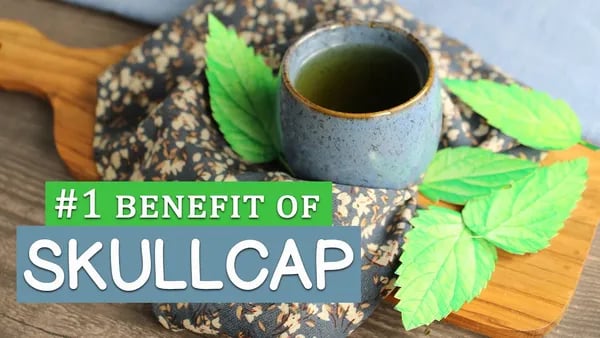



Have you ever wished for a natural, gentle remedy to ease your restless nights and calm racing thoughts? I stumbled upon Skullcap during a particularly sleepless spell years ago, and it quickly became a staple in my nighttime ritual. This unassuming plant, part of the mint family, carries centuries of wisdom in supporting nervous system health and promoting peaceful sleep. Let’s journey through Skullcap’s history, its science-backed benefits, and a simple way to harness its power at home.
The Identity and Origins of Skullcap
When you encounter Skullcap, you’re meeting a plant with a rich history and a unique place in traditional herbalism. Scientifically known as Scutellaria lateriflora, this perennial herb belongs to the mint family, or Lamiaceae. If you look closely, you’ll notice its classic mint-like features: square-shaped stems and slender, serrated leaves that resemble those of other mints. These physical traits make it easy to identify, especially when paired with its delicate purple or blue flowers.
Skullcap is native to North America, which is why you’ll often hear it called American Skullcap. However, its adaptability means it now grows in many temperate climates around the world. You can find it thriving in moist environments such as meadows, swampy woodlands, and wetlands. This preference for damp habitats is one reason it’s so commonly spotted along streams and in low-lying fields.
Names and Folk History
Over the centuries, Scutellaria lateriflora has gathered a variety of common names, each reflecting a piece of its story:
- Blue Skullcap – Named for its striking blue or purple flowers, which bloom in clusters along the stems.
- Mad Dog Skullcap – This name comes from its historical use as a folk remedy for rabies, though modern herbalists focus on other Scutellaria lateriflora properties.
- Virginian Skullcap – A nod to Virginia, one of its original habitats in North America.
Traditional Herbalism and Skullcap
For centuries, Skullcap has held a respected place in traditional Western herbalism. Herbalists have long valued it for its calming and nervine tonic effects, using it to support relaxation and restful sleep. Its reputation as a gentle, soothing herb is backed by generations of use, making it a staple in many herbal apothecaries.
Physical Characteristics at a Glance
- Family: Mint (Lamiaceae)
- Stems: Square-shaped, typical of the mint family
- Leaves: Slender, serrated, and mint-like
- Flowers: Small, blue to purple, blooming in clusters
- Habitat: Prefers moist, temperate environments
Understanding these details helps you recognize Skullcap in the wild and appreciate its enduring role in herbal traditions. Its distinct appearance and long-standing use in traditional herbalism highlight why Scutellaria lateriflora remains a valued natural ally for those seeking gentle support for the nervous system.
Skullcap as a Nervine Tonic: Calming the Nervous System
When it comes to nurturing your nervous system, few herbs are as celebrated as Skullcap. The leaves and stems of Skullcap have long been valued for their potent nervine tonic effects, making this herb a natural ally for those seeking calm and balance. As a nervine tonic, Skullcap belongs to a special group of herbs that support, nourish, and “tone” the nervous system, helping to restore its function in a gentle, nutritive-based way.
Nervine tonics like Skullcap can have a range of effects, from mildly calming to strongly sedating, depending on the dose and the individual. This versatility makes Skullcap especially useful for addressing everything from daily stress to more persistent nervous tension. Unlike conventional sedatives, herbal nervines do not carry the risk of addiction or major adverse side effects. Instead, they work by gently restoring balance, supporting your body’s natural ability to cope with stress and anxiety.
One of the standout features of Skullcap is its ability to help you put a “Cap on Your Skull,” as herbalists often say. This means it assists in pacifying anxious thoughts and lessening nervous states that can keep you awake or prevent you from reaching deep, restful sleep. If you struggle with racing thoughts or restlessness at night, Skullcap’s calming influence may offer the gentle support you need.
The secret behind Skullcap’s soothing power lies in its active flavonoids, including baicalin, baicalein, wogonin, and scutellarin. These compounds are known for their anxiolytic properties, meaning they help reduce anxiety and promote relaxation. They also contribute to Skullcap’s muscle-relaxing effects, making it a popular choice for those who experience tension or muscle spasms alongside nervousness.
- Nourishes and tones the nervous system
- Offers mild to strong calming effects, depending on dosage
- Contains active flavonoids with anxiolytic and muscle-relaxing properties
- Supports restful sleep without addiction or major side effects
Skullcap helps you put a 'Cap on Your Skull', assisting to pacify anxious thoughts and lessen nervous states.
By gently restoring nerve function and reducing anxious tension, Skullcap stands out as a trusted herbal nervine tonic for those seeking natural calm and support for the nervous system.
Skullcap and Sleep Therapy: Nature’s Answer to Insomnia
When it comes to herbal remedies for sleeplessness, few plants have earned as much respect as Skullcap. For centuries, herbalists have turned to Skullcap tinctures to enhance sleep quality and address insomnia. As one expert notes:
"Skullcap tinctures have been revered throughout the ages for improving sleep."
The top benefit of Skullcap lies in its ability to ease sleeplessness, making it a leading choice in sleep therapy. What sets Skullcap apart is its versatility. At higher doses, Skullcap acts as a strong sedative, helping you drift into deep, restorative sleep. At lower or normal doses, it provides a mild tranquilizing effect, gently calming the mind and body. This flexible dosage for insomnia allows you to tailor your approach based on your unique needs and sensitivity.
Unlike conventional sedatives, Skullcap belongs to the group of herbal nervines. These natural remedies are non-addictive and free from the major side effects often seen with pharmaceutical sleep aids. This means you can use Skullcap regularly without worrying about dependency or withdrawal.
How does Skullcap work its magic? The answer lies in its rich blend of active compounds, including baicalin, baicalein, wogonin, and scutellarin. Many of these constituents have been shown to possess anxiolytic, or anxiety-relieving, properties. They help "put a cap on your skull" by pacifying anxious thoughts and calming nervous states that can keep you awake at night.
One of the key skullcap benefits for sleep is its ability to boost the activity of GABA, the brain’s primary calming neurotransmitter. GABA (gamma-aminobutyric acid) plays a crucial role in relaxing the central nervous system. By enhancing GABA activity, Skullcap promotes a sense of tranquility, making it easier to fall asleep and stay asleep throughout the night.
Recent scientific research supports these traditional uses. A 2025 study found that Scutellaria lateriflora (American Skullcap) is both safe and effective for restoring normal sleep patterns in people with primary or acute insomnia. This research validates what herbalists have known for generations: Skullcap is a reliable, natural ally for those struggling with sleep issues.
For best results, Skullcap is often combined with lifestyle adjustments and emotional health practices as part of a holistic sleep therapy protocol. Its gentle, non-addictive nature makes it an ideal choice for anyone seeking a natural solution to insomnia.
Crafting Your Own Skullcap Tincture at Home
If you’re curious about how to make tincture from Skullcap, you’ll be pleased to know that skullcap tincture preparation is both simple and rewarding. Tinctures offer increased potency and convenience compared to teas, making them especially useful as a nighttime sleep aid. Unlike teas, tinctures require only a small dose, so you don’t have to drink a lot of liquid before bed—a key advantage for restful sleep.
Why Choose a Tincture?
Tinctures concentrate the active compounds of Skullcap, maximizing the herb’s calming and nervine benefits. This method is favored by herbalists for its effectiveness and ease of use. As we like to say,
We’ve been creating our homemade tincture of this herb for well over two decades, and always keep a bottle in our medicine cabinet as well as by our bedside.
Simple Skullcap Tincture Preparation
Making a Skullcap tincture at home is straightforward and doesn’t require special tools. Here’s a step-by-step guide:
- Gather Ingredients: You’ll need dried Skullcap herb and vodka (80 proof, or 40% alcohol by volume).
- Fill the Jar: In a clean pint glass jar, fill halfway with dried Skullcap.
- Add Alcohol: Pour vodka over the herb, stirring to help it soak in for 5-10 minutes.
- Top Off: Add more vodka until the liquid is about half an inch from the top.
- Seal: Place a non-metallic lid on the jar (alcohol can corrode metal lids).
- Label: Clearly label your jar with the herb’s name and the date you started.
- Store: Keep the jar upright in a cool, dark, and dry place (like a pantry) for 4-5 weeks.
- Shake: Shake or stir the jar twice during the first week, then once a week after.
- Strain: After 4-5 weeks, strain the mixture using cheesecloth, a mesh bag, or a strainer.
- Bottle: Funnel the finished tincture into dark glass tincture bottles and label them.
Tips and Variations
- For extra strength, consider making a double extract by repeating the process with fresh herbs and your finished tincture.
- Alcohol-free tincture options use glycerin instead of vodka.
- Capsules are also a popular way to enjoy Skullcap’s benefits in natural sleep supplements.
With this easy method, you can enjoy the full potency of Skullcap in a form that’s both convenient and effective for your nightly routine.
Safety First: Dosage Guidelines and Precautions
When exploring the benefits of Skullcap for sleep and as a nervine tonic, it’s essential to prioritize safety. Although Skullcap is a natural herb with a long history of use, mindful attention to skullcap dosage insomnia guidelines and safety precautions side effects is crucial for optimal results and well-being.
Who Should Avoid Skullcap?
- Pregnant or Nursing? Do not use Skullcap if pregnant or nursing. The safety of Skullcap in these groups has not been established, so it’s best to avoid it entirely.
- Serious Health Conditions: If you have a chronic illness or are undergoing treatment for a serious health issue, consult your healthcare professional prior to use if you have a serious health issue or are taking any medications.
Potential Interactions and Side Effects
- Medication Interactions: Skullcap may interact with sedatives, anti-anxiety drugs, or medications affecting the liver. Always check with your healthcare provider before combining Skullcap with other treatments.
- Side Effects: Current evidence shows Skullcap is generally safe when used appropriately. Most people experience minimal side effects, but rare cases of liver toxicity have been reported, especially when combined with other herbs like Valerian. Monitor for unusual symptoms such as yellowing of the skin, fatigue, or abdominal pain, and discontinue use if these occur.
Skullcap Dosage for Insomnia
- Tincture: The typical adult dose for sleep is 1–2 dropperfuls (about 30–60 drops) of Skullcap tincture, taken 30 minutes before bedtime. Start with the lower end to assess your response and avoid overly sedating effects.
- Tea: For Skullcap tea, use 1–2 teaspoons of dried herb per cup of hot water, steeped for 10–15 minutes. Drink 1 cup in the evening as needed.
- Capsules: Standardized Skullcap capsules are usually dosed at 350–500 mg, taken once or twice daily. Always follow the manufacturer’s instructions.
Despite its natural origin, Skullcap requires mindful use. Monitoring your dosage helps prevent adverse effects while ensuring you still capture its therapeutic benefit. If you notice any unusual reactions, stop use and consult a healthcare provider. Skullcap’s safety profile is superior to many conventional sedatives, but responsible use is key to reaping its calming benefits.
A Touch of Tradition and Ceremony: Skullcap Beyond Sleep
When you think of Skullcap, you might picture a gentle herbal tea or a soothing tincture taken before bed. But Skullcap’s story stretches far beyond its reputation as a sleep aid. Deeply rooted in traditional herbalism, this humble plant has played a meaningful role in ceremonies, rituals, and even cultural symbolism throughout history.
Like the peaceful meadows where it thrives, Skullcap brings a wave of calm to those who use it—not just in tea, but in a variety of traditional practices. In the world of ceremonial smoking blends, dried Skullcap is often combined with other herbs and sometimes tobacco leaves. These blends are not just for relaxation; they are crafted to promote mental clarity, tranquility, and a sense of inner peace. For many, the act of sharing a ceremonial smoke with Skullcap is a way to foster introspection and emotional balance, making it a valued ally in both community and personal rituals.
Skullcap’s influence also extends into the realm of symbolism and spiritual practice. In the unique deck, The Spirit of Herbs: A Guide to the Herbal Tarot, Skullcap is featured on the Star Tarot card. This card is traditionally associated with hope, inspiration, and spiritual clarity. Here, Skullcap represents a time of inner reflection and meditation—reminding you to pause, breathe, and reconnect with your own sense of peace. The affirmation linked to this card beautifully captures Skullcap’s essence:
With peace and calmness in my heart, I am open to the inspirations that flow within me.
This symbolic presence highlights how Skullcap’s calming influence goes beyond its physical effects, offering emotional and spiritual support as well. Whether sipped in a quiet moment or honored in ritual, Skullcap helps open the door to deeper self-awareness and gentle inspiration.
Skullcap’s legacy even touches modern culture in unexpected ways. Here’s an intriguing tidbit: the original idea for the Starbucks logo was inspired by the Star Tarot card—linking the world of commercial branding, perhaps ironically, with Skullcap’s peaceful symbolism. This connection is a testament to the enduring power of herbal symbolism and its ability to shape both tradition and contemporary life.
In conclusion, Skullcap’s role in traditional herbalism and ceremonial smoking blends, along with its symbolic presence, enriches its profile far beyond that of a simple sleep herb. It stands as a gentle guide for those seeking tranquility, clarity, and a touch of tradition in their daily lives.