

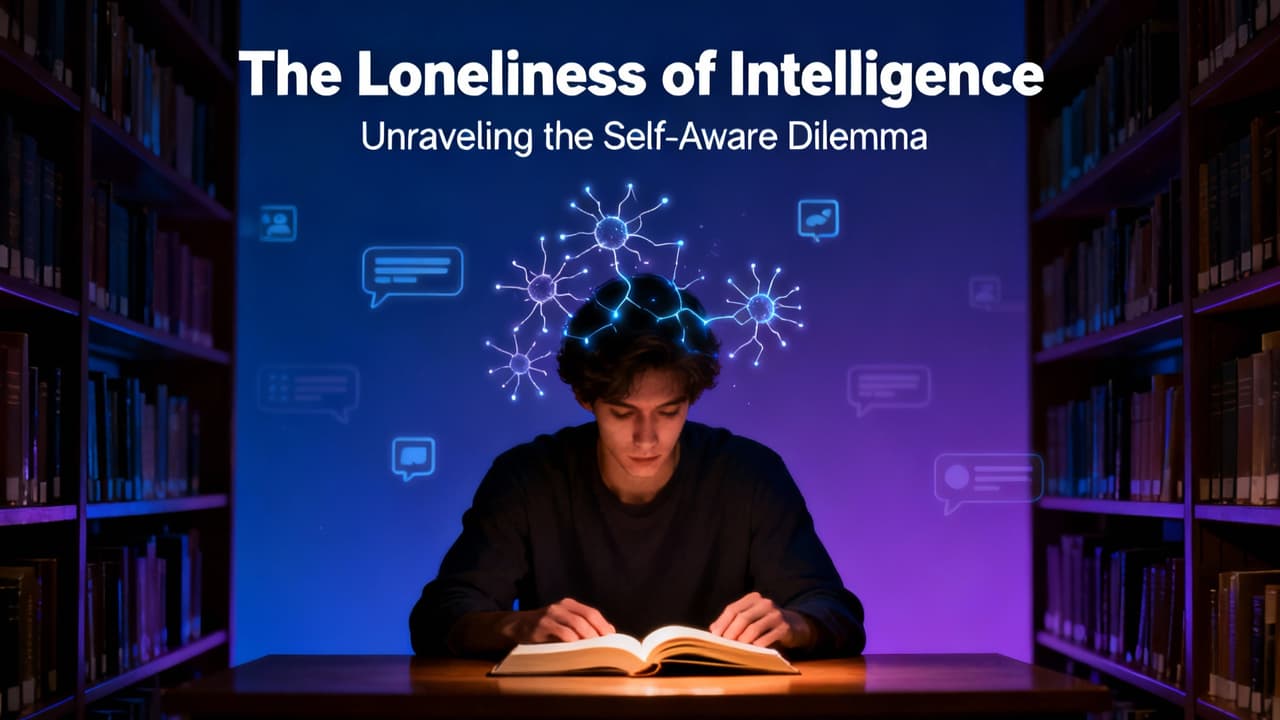

My best conversations have happened at my kitchen table, sometimes in utter silence, just me and the ticking of the clock. Does that sound lonely to you? Maybe you’re the kind of person who feels most alive where others might feel bored: at home, cocooned in comfort. Let’s challenge the world’s noisy ideas about what makes a life vibrant, and wander through the hidden richness of a quiet life. You might just find yourself reflected in these walls.
1. Where Stillness Blooms: Home as Sanctuary
Some people feel most alive not in the rush of city streets or the hum of crowded rooms, but in the quiet corners of their own homes. If you are one of them, you know that home as sanctuary is not just a phrase—it’s a way of being. You don’t crave the noise of strangers or the applause of a busy world. Instead, you find peace at home, wrapped in the gentle hush that only familiar walls can offer.
To outsiders, this preference can seem mysterious. They might imagine you are hiding from life, or that you are missing out on the action. But you know the truth: sanctuary is an active choice. You are not running away from the world; you are running toward peace. There is a quiet strength in choosing the comfort of your own space, where you can hear your own thoughts and feel your own heartbeat.
Psychologists have found that people who love staying at home often have what’s called high internal self presence. Your inner world is vivid and alive—your imagination, your ideas, your emotions all move with depth and meaning. In the silence, your mind is anything but still. There is a gentle hum of creativity, a dance of memories and dreams. For you, restorative solitude is not emptiness; it is a source of energy and fulfillment.
The walls of your home may be familiar, but they are not confining. In fact, they provide a sense of psychological safety. The sights, sounds, and scents of your space are known and comforting. This familiarity supports your sense of autonomy—you choose how to spend your time, what to focus on, and how to recharge. Your home is a place where you feel competent, where you can nurture your interests and let your mind wander freely.
For some, the thrill of applause or the buzz of a crowd is what makes them feel alive. But for you, peace beats louder than applause. The quiet rituals of home—sipping tea in the morning, watching rain trace patterns on the window, turning the pages of a favorite book—become small ceremonies. These moments are not just routines; they are acts of self-care and celebration. Each one is a reminder that joy can be found in the simplest things.
I remember the moment I realized my small apartment was more freeing than any festival crowd. I was sitting by the window, a mug of tea warming my hands, listening to the gentle patter of rain. Outside, the world was moving fast, but inside, time seemed to slow down. I felt a sense of freedom I had never found in noisy places—a freedom to be myself, to think deeply, and to simply be.
If you find yourself most at home in your own company, know that you are not alone. Your home is not just a shelter from the world; it is a sanctuary where stillness blooms, where your inner life can flourish. In these quiet spaces, you are not avoiding life—you are living it, just differently.
2. Introspection, Imagination, and the Perks of Being a Homebody
Imagine a world where the quiet hum of your own thoughts is more thrilling than the noise of a crowded room. Psychologists call this high internal self presence—the ability to feel deeply connected to your inner world. If you’re a homebody, you know this feeling well. You don’t need loud excitement to feel joy. Sometimes, all it takes is staring out a window, sipping a warm drink, and letting your mind wander. Your heart doesn’t race in crowds; it beats steady in silence.
But it wasn’t always this way for many of us. Maybe you remember trying to match the energy of friends who loved parties, adventure, or constant movement. You might have felt out of place, wondering why the rush of the outside world didn’t fill you up the way it seemed to for others. Over time, though, you began to realize something important: your calm wasn’t a flaw. Your desire for solitude wasn’t a weakness. It was simply who you are.
I remember the first time I understood this. I thought that constantly staying home would make me feel left out or lonely, but instead, I felt understood by the space around me. I realized I didn’t need noise to feel alive. I didn’t need everyone’s eyes to feel seen. I began to value the sound of turning pages more than the sound of applause. That’s when I understood: peace is also a way of living.
Staying home does not mean being alone. Sometimes, it means being with yourself—and truly listening. That’s something the busy world often forgets to do. For many homebodies, introspection is a natural gift. You think deeply. Every small moment can become a story. Every memory, a lesson. You feel emotions fully. Joy becomes rich, sadness becomes art, and hope becomes direction. You don’t rush through your feelings just to keep up with the pace of others. You take time to understand them.
Solitude: Fertile Soil for Creativity and Emotional Intelligence
Scientific studies show that people who enjoy solitude often score high in creativity, empathy, and emotional intelligence. When you give yourself space to reflect, you’re not just recharging—you’re growing. Mindfulness and solitude decompress the mind, boosting emotional balance and sparking new ideas. This is why so many creative hobbies thrive in the quiet of home.
- Reading: Books become portals to other worlds, and every page turned is a step deeper into your imagination.
- Painting or Drawing: The silence lets your mind wander, and your hands follow, creating art from feeling.
- Gaming: Video games or board games offer immersive escapes and new challenges, all from the comfort of your favorite chair.
- Journaling or Writing: Self-reflection becomes a daily ritual, turning thoughts and emotions into stories or poetry.
Homebody Archetypes: The Healer, The Creative Soul, The Peace-Seeker
Within the world of homebodies, you might recognize yourself as one of these archetypes:
- The Healer: You find fulfillment in nurturing yourself and others, using solitude to recharge and offer compassion.
- The Creative Soul: Your imagination flourishes in quiet, and you turn solitude into art, music, or invention.
- The Peace-Seeker: You value calm above all, finding meaning in stillness and the gentle rituals of daily life.
In the end, solitude isn’t just peace—it’s where art and new ideas are born. For the homebody, every quiet moment is a chance to create, reflect, and grow.
3. The Wild Myth: Misconceptions About Staying Home
There’s a wild myth that floats around in conversations and social feeds: if you prefer staying home, you must be lazy, afraid, or missing out on the real world. The misconceptions about staying home run deep. People assume you’re hiding from life, avoiding crowds, or lacking ambition. But if you’ve ever chosen a quiet evening over a loud party, you know the truth is far more interesting—and far less lonely—than the world assumes.
The Sting of “You’re Missing Out”
Maybe you’ve heard it before: “You’re missing out.” The words can sting, can’t they? They land heavy, as if your choice to be home is a flaw. Friends might say, “You should socialize more,” or ask, “Don’t you get bored?” These questions carry a hidden message: that being a homebody means you’re incomplete, or that you’re letting life pass you by. But here’s the surprising reality: choosing solitude is not the same as being sentenced to loneliness. In fact, it’s often the opposite.
Science Disagrees: The Psychology of Homebodies
Research into the psychology of homebodies tells a different story. Solitude-seekers aren’t running from the world—they’re running toward something meaningful. Studies show that people who intentionally choose time alone often nurture authentic relationships, deeper purpose, and a strong sense of self. Their connections might be fewer, but they’re often richer, built on genuine understanding rather than surface-level chatter.
- Solitude is chosen, not forced. Homebodies make a conscious decision to spend time alone, finding peace and clarity in the quiet.
- Loneliness is not the default. There’s a big difference between being alone and feeling lonely. Solitude can be restorative, while loneliness is unwanted and painful.
- Negative thinking while alone isn’t inevitable. In fact, many homebodies use their time to reflect, create, and recharge.
The World’s Noisy Pace Isn’t Everyone’s Oxygen
Society often glorifies the hustle—the constant movement, the endless networking, the need to always be “on.” But the world’s noisy pace isn’t everyone’s oxygen. For some, the quiet of home is where they breathe most deeply. It’s where ideas are born, where patience is learned, and where observation sharpens into insight. Silence, it turns out, has its own form of communication. It teaches a kind of strength that doesn’t need attention to exist.
History’s Hidden Homebodies
Think about the great thinkers, artists, and innovators throughout history. Many of them were considered “hermits” by their peers. They didn’t always stand in crowds or chase the spotlight. Instead, they stood in their rooms, refining ideas that would one day change the world. Their solitude wasn’t a weakness—it was their superpower.
“Maybe that’s the hidden truth. Silence has its own form of communication. It teaches patience, it teaches observation, and it teaches a kind of strength that doesn’t need attention to exist.”
What Are Homebodies Really Protecting?
Here’s a curiosity: if home feels so safe, what are homebodies protecting themselves from? The answer isn’t fear of the world, but a desire for peace. Home is a sanctuary, a place to recharge and reconnect with what matters most. It’s not about shutting out life—it’s about choosing the life that feels most authentic to you.
4. Coping with Overstimulation: Why Home Feels Safe
If you’ve ever found yourself longing for the quiet of your own space after a day full of noise and unpredictability, you’re not alone. Many homebodies are deeply sensitive to the world’s chaos—loud noises, crowded rooms, and emotional unpredictability can feel overwhelming. For some, simply walking into a bustling café or attending a lively party can trigger a sense of anxiety, as if every sound and movement is turned up just a little too loud. This isn’t about being antisocial or fearful; it’s about coping with overstimulation and seeking sensory equilibrium.
Science offers some insight here. Research shows that introverts, for example, have a higher baseline level of cortical arousal. This means their brains are already more alert and responsive to stimulation, so even everyday environments can feel intense. When the world gets too loud or unpredictable, their nervous system craves stability—a place where energy can settle instead of constantly react. Home becomes that safe harbor, a space where you can control the volume, the lighting, and the emotional temperature.
I remember once leaving a bustling dinner party early. The room was filled with laughter, clinking glasses, and overlapping conversations. Instead of feeling left out, I felt a wave of relief as I stepped outside. There was no FOMO—just a gentle exhale, as if my mind could finally rest. That’s the secret many homebodies rarely say out loud: the peace at home isn’t about isolation, but about finding a place where your senses and emotions can breathe.
Sensory Control and Emotional Safety
At home, you have control over your environment, and that control brings peace. You can dim the lights, lower the volume, and choose who enters your space. This isn’t just about comfort—it’s about emotional safety. For those who feel everything intensely, trust is given carefully and the heart is shared with only a few. It’s not coldness; it’s a deep understanding of how much emotional safety matters.
Home offers a stable, predictable environment where you can manage anxiety and cognitive load. There’s no need to brace yourself for sudden outbursts or shifting moods. The familiar surroundings allow your nervous system to relax, restoring your sense of equilibrium. Even extroverts, who thrive on social energy, sometimes need this kind of recovery space after a day of stimulation.
Choosing Peace Over Noise
Sometimes, the choice to stay home is simply that—a preference. It’s not a story of avoidance or fear. It’s a conscious decision to spend time in a space that feels warm and familiar. You might have hobbies that don’t require a crowd: reading, gaming, painting, watching your favorite films, or building something personal. Here, joy becomes a quiet ritual instead of a loud celebration.
- Reading: Losing yourself in a story without interruption.
- Gaming: Immersing in a world where you set the pace.
- Painting: Creating beauty in silence.
- Film: Watching stories unfold in your own sanctuary.
- Building: Crafting something meaningful with your own hands.
You measure happiness in moments, not events. The richness of a quiet life isn’t about missing out—it’s about finding peace at home, where you can finally let your guard down and just be.
5. Self-Companionship, Authentic Connections, and Emotional Intelligence
If you’re someone who finds comfort in quiet spaces, you might have wondered if your love for home makes you different. Maybe you’ve questioned whether you need to change, or worried that your preference for solitude means you’re missing out. But what if nothing is wrong? What if the world simply needs people like you—people who listen before speaking, who notice the little things, and who care deeply, even if quietly?
Self-Companionship: The Rare Life Skill
Homebodies often develop a rare skill: self-companionship. This is the art of being at ease with your own thoughts and emotions. While many chase after constant company, you find comfort in your own presence. You know how to sit with your feelings, reflect on your day, and enjoy the simple rituals of home. This kind of self-connection isn’t loneliness—it’s emotional safety. It’s the ability to feel whole, even when you’re alone.
When you remove distractions, the heart learns how to focus.
Like a chef who trusts their palate, you trust your intuition. You notice the subtle flavors of life—small joys, quiet hurts, and gentle hopes. This inner trust is your wild card. It guides you through decisions, helps you sense the mood of a room, and lets you care for others in ways that feel genuine and rare.
Authentic Relationships: Few but True
For homebodies, authentic relationships matter more than a crowded social calendar. You crave depth, not quantity. True friendships are few, but they are real. You value being “seen” by one person over being surrounded by a hundred acquaintances. There’s a special joy in sharing a quiet conversation, a knowing glance, or a heartfelt message with someone who truly understands you.
- You listen before you speak.
- You think before you act.
- You feel before you pretend.
These qualities make your connections strong and lasting. You offer rare loyalty and create emotional safety for those you love. You notice when a friend is hurting, even if they say nothing. You remember the details that others overlook. This is the heart of emotional intelligence—the ability to sense, understand, and respond to feelings, both your own and others’.
Emotional Intelligence: Quiet Strength
Research shows that homebodies often score high in emotional intelligence. You pay attention to small changes in tone, body language, and mood. You care deeply, even if you don’t always show it loudly. Your empathy and intuition help you build trust and foster creative thinking. You create spaces where others feel safe to be themselves—where emotional safety is valued above fleeting excitement.
I once thought the world would forget me if I stayed in my room too long. But then I noticed something. The world inside my mind was blooming. Thoughts grew like gardens. Ideas kept me awake more than any late night party ever could.
If you’ve always felt a little different, if you enjoy your own company more than the company of crowds, know this: your quiet life is rich with meaning. Deep, authentic relationships and strong self-connection are your trademarks. Far from isolating you, these qualities foster trust, empathy, and creativity—gifts the world needs now more than ever.
6. Hobbies and Rituals: Everyday Joys in Quiet Spaces
You know the feeling: the world outside is buzzing, but you find your richest moments in the quiet corners of your home. For homebodies, hobbies aren’t just ways to pass the time—they’re daily rituals, sources of joy, and anchors of meaning. You gravitate toward hobbies that don’t need a crowd: reading, painting, writing, gaming. In these quiet spaces, you discover that your solitude is not a burden, but a gift.
Small Joys, Big Meaning: Rituals of the Everyday
There’s a special kind of magic in the little things. Maybe it’s the slow ritual of making your morning coffee, the gentle tending of a plant collection, or the careful arrangement of paints and brushes before you begin. These aren’t just tasks—they’re moments of mindfulness, grounding you in the present. Mindfulness practices like these help you tune into yourself, offering calm and clarity that the outside world rarely provides.
- Reading: Losing yourself in a book, you travel far without leaving your favorite chair.
- Painting: Colors and shapes become a language, expressing what words cannot.
- Gaming: Digital worlds offer adventure and challenge, all from the comfort of home.
- Crafting: Hands busy, mind at ease—you create beauty from simple materials.
- Plant care: Watching something grow under your care brings quiet satisfaction.
Creativity in Solitude: Where Ideas Bloom
It’s in the hush of your own space that creativity often flourishes. Without the distractions of crowds or the pressure of small talk, your mind is free to wander and explore. Most of your best ideas arrive not at networking events, but in pajamas, with a notebook or game controller in hand. Creativity in solitude isn’t about isolation—it’s about giving your imagination room to breathe.
Because the truth is, the people who love staying home are not avoiding life. They are living it with intention.
You don’t waste words on small talk or time on shallow experiences. Instead, you seek meaning, authenticity, and real connections—even if those connections are few. Psychologists say that people who prefer solitude are often highly self-aware. You recognize your own emotions with clarity, understanding what drains you and what nourishes you. Most people live without knowing these things their entire lives, but homebodies learn early.
Hobbies for Homebodies: More Than Pastimes
These hobbies aren’t just ways to fill empty hours—they support your mental health, give you purpose, and keep you learning. When you read, you expand your mind. When you paint, you express your inner world. When you game, you challenge yourself and sometimes connect with others who share your passions. Every small act—watering a plant, journaling, finishing a puzzle—becomes a celebration of intentional living.
Curating Small Pleasures
Living intentionally means curating small pleasures, not waiting for big events. You know that solitude is the perfect condition for developing personal rituals and deep interests. In these quiet spaces, you find both peace and possibility. Loneliness and solitude are not the same thing; your quiet is powerful, your silence has depth, and your hobbies are proof that a full, rich life can unfold within the walls of home.
7. Living Intentionally: The Gift of Everyday Solitude
You wake up to the hush of your own home. The world outside is busy, but here, in this moment, you’re wrapped in the gentle power of silence. Living intentionally in solitude is not about loneliness—it’s about choosing presence, clarity, and self-reflection. It’s about giving yourself the gift of becoming, not just waiting for life to happen, but actively shaping it with each quiet hour.
Solitude: Clarity, Healing, and Becoming
There’s a difference between loneliness and solitude. You can feel lonely in a crowded room, but solitude is a space you choose—a space that gives you strength. Some days, staying home feels like protection, a break from a world that demands too much. Other days, it feels like freedom. The freedom to just be, to exist without expectation. In these moments, you’re not missing out; you’re living deeply aligned with your own rhythms.
Noticing Meaning in Simple Things
Intentional living at home invites you to notice the small wonders: the way sunlight stretches across the floor, the comforting pause in your favorite song, the warmth of a cup of tea in your hands. These moments are not empty—they are full of meaning, if you pay attention. This is the power of silence: it lets you hear your own thoughts, lets you remember what matters.
Solitude and Stillness: Partners in Mental Renewal
Rest is not laziness. In fact, solitude and stillness are partners in mental renewal. Science shows that spending time alone reduces stress and increases authenticity. When you step away from the noise, you give your mind space to heal, to process, to grow. This is where self-reflection happens. You begin to see yourself more clearly, to understand your needs, your dreams, your boundaries.
Self-Understanding, Mindfulness, and Autonomy
Homebodies, by choice or by nature, become masters of self-understanding, mindfulness, and autonomy in lifestyle. Many assume that those who love home are introverts, but that’s not always true. Even extroverts sometimes need the peace of home to recharge. It’s less about personality type and more about emotional energy—where it’s preserved, and where it’s drained.
- Self-understanding: You learn what energizes and what exhausts you.
- Mindfulness: You become present, noticing the details of your daily life.
- Autonomy: You choose how to spend your time, trusting your own rhythms.
Trust, Vulnerability, and the Confidence to Stay Home
The choice to stay home is often a sign of confidence and self-knowledge. You don’t open up to everyone; you trust yourself to know when you need company and when you need quiet. Home becomes a framework for mindful, purposeful living—a life intentionally crafted, not passively inherited.
What if the world measured success by peacefulness, not productivity?
Imagine a world where the quiet moments matter most. Where your worth isn’t measured by how busy you are, but by how deeply you live. In solitude, you find the space to grow, to heal, and to become—on your own terms.
8. Conclusion: When Quiet People Shape the World
If you’ve ever found yourself drawn to the quiet corners of your home, seeking peace at home rather than the noise of the outside world, you are not alone. Society often overlooks homebodies, mistaking their solitude for shyness or withdrawal. But the psychology of homebodies reveals something far deeper: living intentionally in solitude is not an escape, but a powerful choice—a way to shape the world from the inside out.
Your heart may appear guarded to others, but when you love, you love with an intensity that few can understand. The quiet life you lead is not empty or dull; it is rich with a complex inner life. Your mind is a studio of imagination, a place where silence becomes the raw material for creativity. In your hands, routine transforms into ritual, and the ordinary becomes meaningful. You don’t need a destination to find purpose; you discover it in presence, in the gentle act of being fully here, fully yourself.
Homebodies are masters of their environment. You know what triggers anxiety, discomfort, or overstimulation, and you use your home to manage your space, your time, and your emotions. This is not about hiding—it’s about honoring your needs and protecting your peace. Sometimes, the reason you cherish your sanctuary is rooted in past disappointments: a friendship broken, a trust betrayed, or feelings that were too big for others to hold. So you built a space where you never have to apologize for who you are.
If you’ve ever chosen to stay home because the world felt heavy, know that you are practicing a form of emotional wisdom. You are not shrinking from life; you are learning to protect your peace at home. And that is something to celebrate, not to hide. Living quietly is not ‘less’—it can be a richer, deeper path. Your dreams are not small; they are simply internal, quietly fueling your desire to do something meaningful, something beautiful.
The psychology of homebodies teaches us that solitude is not just a refuge, but the fireside where new worlds, relationships, and self-understanding are forged. The influence of homebodies is far larger than it seems. You bring strength, creativity, and stability to the world, modeling intentional and authentic living. You show us that peace, thoughtful relationships, and gentle observation can shape a better world—one that values both its dreamers and its doers, its thinkers and its talkers.
So, the next time you crave quiet, honor it. See it as the portal to your most authentic self. Don’t apologize for your sanctuary—celebrate it. The world needs the richness that comes from living intentionally in solitude. Homebodies are crucial contributors to culture, innovation, and connection. Your quiet life is not just your own; it is part of the hidden richness that shapes the world, one peaceful moment at a time.